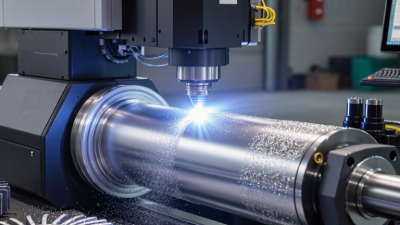
Choosing among China’s top ten Laser Cladding Machine manufacturers takes more than comparing laser power or brochure claims. A cladding cell may look impressive on a factory floor, yet performance depends on powder delivery, motion accuracy, thermal control, and operator support. Watch the melt pool. Ask how suppliers handle dilution, porosity, and repeatable layer thickness on your actual alloy and part geometry.
Professor Lin Li, a recognized researcher in laser materials processing, provides a useful technical lens. The following is a paraphrase, not a verbatim quotation: “Reliable cladding depends on controlling the whole process, not merely selecting a powerful laser.” That distinction matters. A machine’s rated output alone cannot show whether it will produce consistent coatings on turbine components, shafts, or repair parts. Details count.
This guide compares ten Chinese manufacturers through practical criteria: application experience, system configuration, documented process capabilities, service response, and available customer evidence. Where public information is incomplete, that uncertainty should remain visible rather than being filled with confident guesses. Specs can mislead. Even a careful ranking has limits, because powder, substrate, and production conditions vary from one workshop to another. Buyers should request sample trials, inspect relevant references, and confirm what the quoted system includes. The comparison is a starting point, not a substitute for testing. One point deserves reflection: a lower purchase price may look attractive, but downtime, consumables, and training can change the real cost. Reliable selection begins with the job, not the headline.
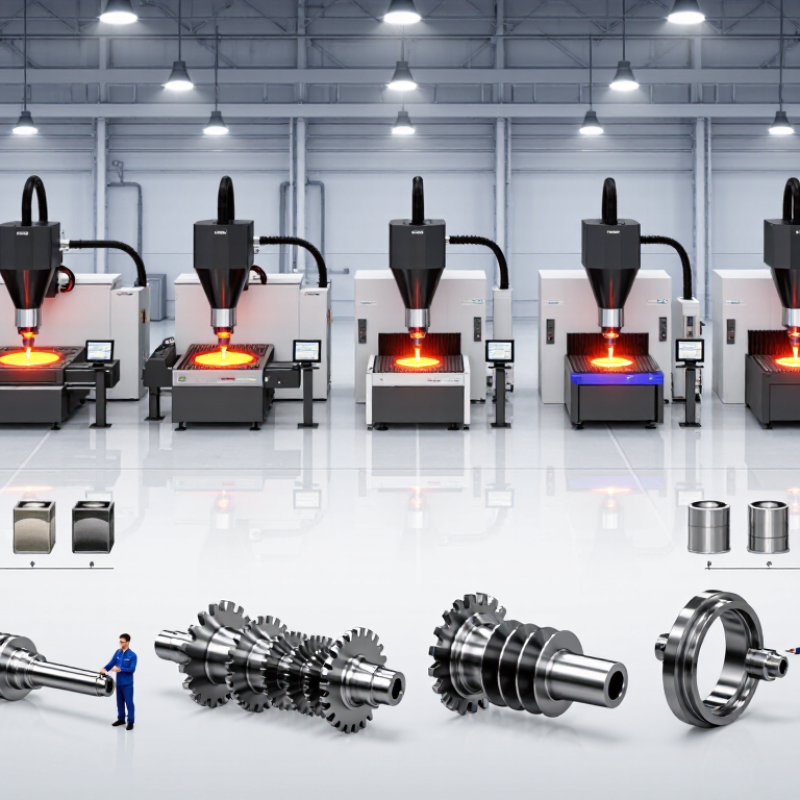
A laser cladding machine uses a focused laser to melt a small area on a component while feeding metal powder or wire into it. The material forms a metallurgical bond as it cools, creating a protective or repair layer. Think of a turbine shaft rotating beneath a cladding head: a narrow melt pool follows the worn surface, bead by bead. The machine combines a laser source, delivery head, material feeder, motion system, and process controls. Shielding gas may protect the molten metal from oxidation. That sounds simple. It isn’t. Feed rate, laser power, travel speed, and surface condition all affect the final layer.
A 2023 Grand View Research market report estimated the global laser cladding market at USD 483.2 million in 2022, with an expected compound annual growth rate of 8.2% from 2023 to 2030. This estimate reflects demand for wear-resistant surfaces and component repair, though market forecasts are not guarantees. In practice, cladding can add material where needed instead of replacing an entire part. It is not automatically the best choice: setup, material compatibility, and post-machining still matter. Even a clean-looking bead can conceal defects. That detail deserves attention. A suitable machine should offer stable powder delivery, repeatable motion, and monitoring matched to the part’s geometry.
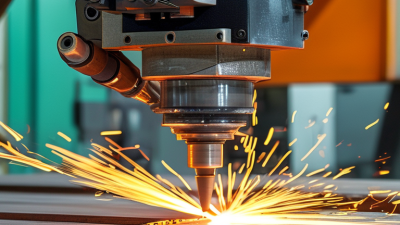
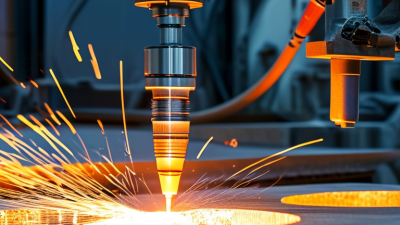
A laser cladding machine directs a focused beam onto a metal surface, creating a small molten pool. Powder or wire enters the pool as the cladding head moves along a programmed path. Shielding gas helps limit oxidation, while sensors and controls can regulate travel speed and energy input. The deposited material melts and bonds with the underlying part.
The process is precise, but not automatic magic. A technician must match the laser power, feed rate, and beam size to the material and part geometry. Too much heat can distort a thin component; too little may cause weak bonding. Cooling leaves a raised layer that often needs grinding or machining to reach its final dimensions. A shiny bead can still hide pores or uneven fusion. Inspection matters. Even careful setups need testing on representative samples, since real parts may differ in shape, wear, and heat flow.
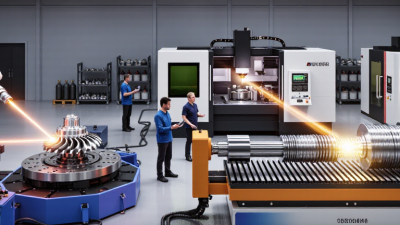
The entries below describe ten common laser-cladding machine configurations, not ranked manufacturers. No company or brand names are included. Actual machine capabilities depend on the laser, optics, materials, part geometry, and process settings.
| No. | Machine Configuration | How Material Is Delivered | Typical Motion Setup | Common Applications | Key Selection Consideration |
|---|---|---|---|---|---|
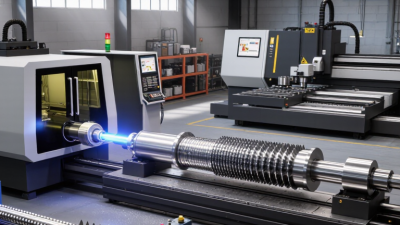
| 1 | CNC lathe, external cylindrical cladding | Metal powder is carried through a nozzle into the laser-generated melt pool. | The workpiece rotates while the cladding head traverses along its axis. | Shafts, rollers, and other round parts requiring a wear- or corrosion-resistant surface. | Check part diameter, length, runout, and the required coating coverage. |
| 2 | CNC lathe, wire-fed cladding | A feed mechanism guides metal wire into the laser-heated deposition zone. | Rotary workholding is combined with controlled axial movement of the head or workpiece. | Cylindrical repairs and deposits where wire feed is suitable for the selected alloy and geometry. | Confirm wire availability, feed stability, and access to the deposition area. |
| 3 | Gantry-style powder cladding cell | Powder is metered from a feeder and transported to the cladding head, commonly by a carrier gas. | A gantry moves the head over large or heavy workpieces held on a table or fixture. | Large flat surfaces, dies, molds, and components that are difficult to move. | Evaluate working envelope, workpiece mass, fixture access, and extraction requirements. |
| 4 | Robot-mounted powder cladding cell | A powder nozzle deposits feedstock into a melt pool formed by the laser. | An industrial robot moves the cladding head around a fixed or positioner-mounted part. | Complex surfaces, curved paths, and parts needing access from multiple directions. | Check robot reach, path accuracy, head orientation, and collision clearance. |
| 5 | Internal-bore cladding system | Powder is delivered through a specialized cladding head designed for access inside a bore. | A long-reach head or the workpiece is positioned to follow the internal surface. | Bores and internal cylindrical surfaces needing localized surface restoration or protection. | Bore diameter, depth, optical access, shielding, and powder-flow consistency are critical. |
| 6 | High-speed powder cladding system | Powder is directed into a laser-heated region while the head and workpiece move at a process-specific speed. | Usually uses controlled linear or rotary motion matched to the process window. | Applications requiring a relatively thin functional layer and efficient surface coverage. | Validate coating quality and adhesion on the actual substrate; speed alone does not establish suitability. |
| 7 | Multi-axis laser metal deposition cell | A coaxial or angled nozzle feeds metal powder into the laser melt pool. | A multi-axis machine or robot controls relative movement between the head and workpiece. | Adding features, repairing local areas, or depositing material along three-dimensional paths. | Consider programming, calibration, path planning, and access for the complete build or repair. |
| 8 | Wire-fed laser deposition cell | A controlled wire feed supplies metal to the laser-heated area. | A gantry, CNC platform, or robot follows the programmed deposition path. | Feature addition and repair where a compatible wire and deposition strategy are available. | Assess wire diameter, feed direction, bead geometry, and the need for post-machining. |
| 9 | Cladding cell integrated with machining | A laser cladding head applies powder or wire; a separate machining tool removes material as needed. | Shared CNC positioning or a coordinated setup moves the workpiece between deposition and machining operations. | Repair workflows in which deposited material must be brought back to a specified geometry. | Check process sequencing, tool access, datum control, and compatibility between deposition and cutting operations. |
| 10 | Cladding cell with rotary positioner | A powder-fed or wire-fed head supplies material to the melt pool. | A rotary positioner turns or tilts the part while a CNC head or robot follows the deposition path. | Parts with circumferential surfaces or features that benefit from controlled positioning. | Verify positioner payload, usable rotation range, part balance, and coordination with the motion system. |
A laser concentrates energy on a substrate to create a small molten pool. Powder or wire is fed into that pool, where it melts and bonds to the substrate. As the laser and workpiece move relative to one another, the molten material solidifies into a deposited track; overlapping tracks can build up a wider layer. The process is controlled to limit unwanted heating and substrate dilution, but the resulting quality depends on the material combination, surface preparation, shielding, feed rate, laser settings, and motion path.
When comparing Chinese laser cladding machine manufacturers, judge performance against your actual parts, not brochure figures. Ask for a sample cladding trial using your substrate, powder, and target layer thickness. Inspect the finished surface under consistent lighting, then check bond quality, dilution, hardness, and cracking. Details matter. Request process records and clear measurement methods, not just a statement that testing was successful.
Review the machine’s laser power range, motion accuracy, powder feeding stability, and compatibility with your production workflow. Ask how operators control heat input and distortion on thin or irregular components. A polished brochure can still leave gaps. Visit the factory or arrange a live demonstration, and observe assembly checks, calibration, and final inspection.
Ask for training plans, spare-parts availability, response times, and written warranty terms. Ask for evidence. References from customers with similar materials and workloads can help, but verify that the applications genuinely match yours.
One awkward point: test results may vary with operator skill, and a single demonstration cannot prove long-term reliability. Record your acceptance criteria before comparing quotations.
China’s Top 10 Laser Cladding Machine Manufacturers are best compared by application fit, not by a single ranking.
Public lists may use different criteria, so treat “top ten” as a shortlist rather than a guarantee of performance. Numbers need context. Ask how each manufacturer validates coating thickness, dilution, and bonding on your actual workpiece. A polished brochure cannot show how a system handles a worn shaft or a changing surface profile.
Review the complete process, not just the laser source. Check the motion system, powder feeder stability, shielding arrangement, control interface, and available safety features. Request a sample run using your material and target dimensions. Inspect the finished layer under suitable measurement methods, and ask for process records you can review.
Also confirm installation, operator training, spare-part availability, and response times for technical support. These details can shape production uptime as much as the machine’s rated power.
Tips: Compare written specifications line by line, then verify key claims with a trial. Ask for references from users with similar parts and production volumes. Test it first. I would not choose solely by price; however, service promises can be difficult to judge before purchase, so request clear written terms and realistic delivery estimates.
China Top 10 Laser Cladding Machine Manufacturers?
How to Choose the Right Manufacturer for Your Needs
Choosing a manufacturer starts with your part, not a machine catalogue. Grand View Research estimated the global laser cladding market at USD 515.6 million in 2023, with growth expected through 2030. Wohlers Report 2024 put the wider additive manufacturing industry at USD 20.0 billion in 2023, up 11.1% year over year. These figures show a growing field, but market growth does not prove a machine suits your process.
Ask manufacturers to clad a sample using your actual substrate, powder, and geometry. Check dilution, porosity, hardness, bond quality, and repeatability across several runs. Request the test conditions and inspection records, not just a polished demonstration part. Also compare deposition rate, heat input, operating costs, training, and local service response. A fast machine can still disappoint if setup changes between operators. I have seen specifications look convincing; real parts can be less tidy.
Tips: Bring a worn component and define its service conditions. Get written acceptance limits before testing. Leave room for a production trial; one successful coupon is not enough.
Suggested evaluation weights for comparing potential suppliers—not a ranking or market survey.
Use these weights as a starting point and adjust them to your application. Prioritize proven capability with your materials and parts, then validate performance through sample trials, documented process results, and service discussions.