2026 Best Laser Cladding Machine Innovations for Efficient Manufacturing?
The manufacturing industry is undergoing a revolutionary change with innovations in the Laser Cladding Machine sector. Reports indicate that the global laser cladding market is expected to reach $2.21 billion by 2026, growing at a CAGR of over 6.2%. This growth is driven by the rising demand for high-performance materials and enhanced surface properties. Laser cladding technologies are emerging as critical tools for improving manufacturing efficiency and product longevity.
Recent advancements in Laser Cladding Machines are making it possible to repair worn-out components and ensure superior surface integrity. Companies are increasingly adopting these machines to enhance their production capabilities. However, there are challenges, such as the need for skilled operators and the initial investment costs that some manufacturers find daunting.
Real-world applications of laser cladding highlight its potential. Industries, including aerospace and automotive, are leveraging this technology to create durable parts and coatings. Despite its benefits, companies must continuously assess technology integration and training needs. The journey toward optimal manufacturing efficiency through laser cladding is ongoing and requires thoughtful consideration and investment in knowledge and skills.
Overview of Laser Cladding Technology and Its Importance in Manufacturing
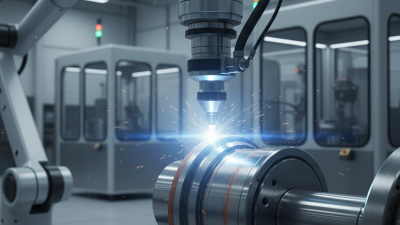
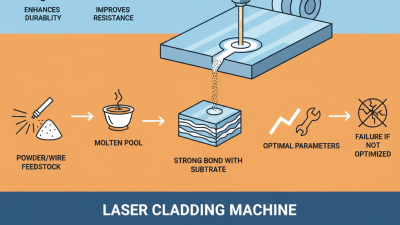
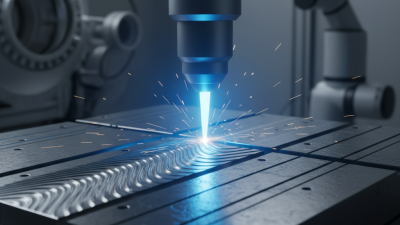
Laser cladding technology has emerged as a transformative force in modern manufacturing. It enhances surface properties by depositing materials onto existing surfaces. This method is crucial for improving wear resistance, corrosion resistance, and overall durability. Manufacturers are adopting laser cladding to create stronger products while minimizing material waste. The precision of the laser enables intricate designs that would be difficult to achieve through traditional methods.
The process involves melting a powder material and fusing it onto a substrate. This ensures that the bond is strong and reliable. However, achieving optimal results requires precise control over numerous variables. Factors like power settings, feed rates, and material selection can significantly influence the quality of the cladded layer. Continuous improvements and innovations in laser technology aim to simplify these parameters.
Despite its advantages, challenges remain in the implementation of laser cladding. Not all materials are compatible, and there can be variability in the properties of the cladded surfaces. Manufacturers must invest time in research and development. Addressing these issues is vital for maximizing the efficacy of laser cladding in production processes. Only then can the true potential of this technology be realized.
2026 Best Laser Cladding Machine Innovations for Efficient Manufacturing
| Innovation |
Key Features |
Efficiency Improvement (%) |
Applications |
| High-Precision Laser Cladding |
Advanced optics for focused laser beam |
30% |
Aerospace parts, medical devices |
| Automated Laser Cladding Systems |
Integrated robotic systems with AI |
25% |
Heavy machinery, automotive |
| Hybrid Manufacturing Solutions |
Combines additive and subtractive processes |
40% |
Tooling, complex assemblies |
| Real-Time Quality Monitoring |
Feedback systems for immediate adjustments |
20% |
General manufacturing |
| Eco-Friendly Laser Cladding |
Low-energy consumption and waste reduction |
35% |
Renewable energy systems |
Key Innovations in Laser Cladding Machines for Enhanced Efficiency
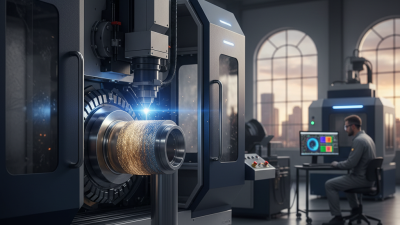
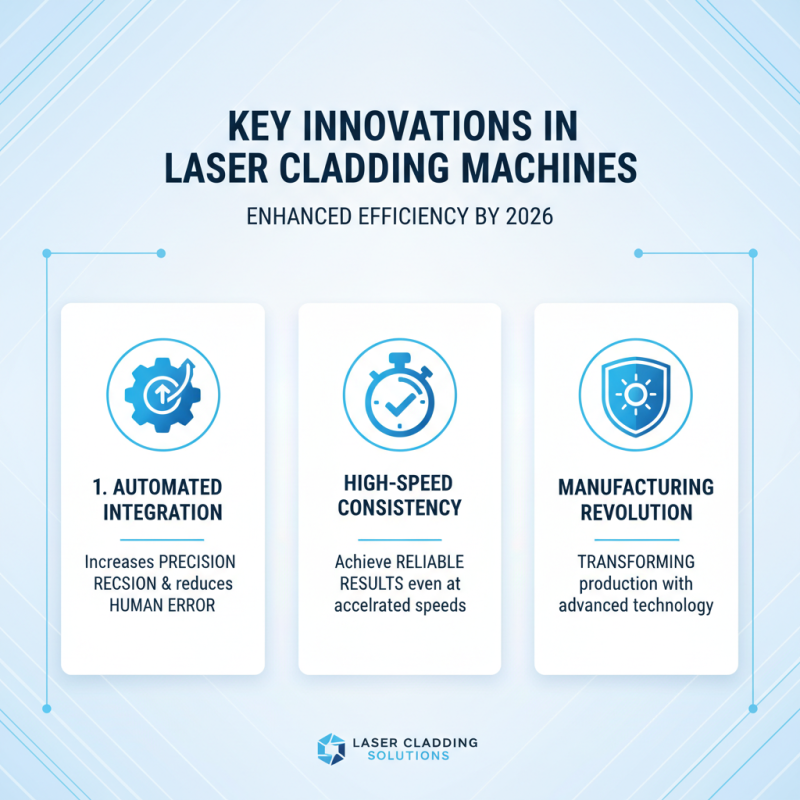
Laser cladding technology is revolutionizing manufacturing. In 2026, key innovations will significantly enhance efficiency. One notable development is the integration of automated systems. This automation increases precision and reduces human error. Manufacturers can achieve consistent results, even at high speeds.
Another breakthrough involves advanced laser sources. These sources improve energy efficiency and reduce operational costs. They provide better material bonding. The result is enhanced durability of components. Innovative cooling systems also emerge to address thermal management. These systems help prevent overheating, ensuring optimal performance during extended use.
Despite these advancements, challenges remain. Many companies struggle to adapt to new technologies. Training staff requires time and resources. Some organizations also face high initial investment costs. Reflecting on these issues can lead to better strategies for implementation. Embracing innovation is crucial, but it should be done thoughtfully.
Comparative Analysis of Leading Laser Cladding Machines in 2026
In 2026, laser cladding technology has seen significant advancements, enhancing manufacturing efficiency. Various laser cladding machines now feature better precision and speed. This improvement is crucial for creating durable surfaces on metal parts. The market offers a range of options, catering to different manufacturing needs.
One interesting development is the shift towards automated processes. Automated systems reduce human error and increase consistency in production. Some machines now incorporate smart technology, allowing real-time monitoring and adjustments. This ensures that the right parameters are used for each specific material. However, with all these innovations, cost remains a critical consideration for manufacturers.
**Tip**: Before investing in a laser cladding machine, assess your production volume and material types.
Another point to consider is the support and training provided by suppliers. User-friendly machines are essential, but operators must understand how to optimize their use. Some machines may require significant training for effective operation. Reflecting on previous experiences can guide your choice of equipment.
**Tip**: Choose a machine that offers comprehensive support and training options.
Utilizing laser cladding innovations can lead to impressive results, but manufacturers must remain adaptable to changes. Each new technology comes with a learning curve. Balancing efficiency and quality is crucial for long-term success in this evolving field.
Applications of Advanced Laser Cladding in Various Industries
Advanced laser cladding has transformed multiple industries with its efficiency and precision. In the automotive sector, the technology enhances engine components and reduces wear. According to a report from the International Journal of Advanced Manufacturing Technology, using laser cladding can improve component life by up to 30%. This extension directly correlates with lower maintenance costs and fewer production interruptions.
In the aerospace industry, laser cladding is vital for repairing turbine blades. The process allows precise rebuilding of these critical parts, enhancing fuel efficiency. A study by the Aerospace Manufacturing Research Centre highlighted that laser cladding repairs can save companies approximately 40% compared to conventional methods. However, the initial investment for high-quality laser systems can be a barrier for some manufacturers. Continuous innovation and training may also be required to keep pace with advancements.
The energy sector also benefits significantly from laser cladding applications. By improving the durability of equipment, companies can ensure better performance in harsh environments. Yet, the long-term sustainability of these innovations often requires ongoing analysis and updates to the technology. Embracing laser cladding presents exciting possibilities, but it still demands a commitment to growth and adaptation.
Future Trends and Developments in Laser Cladding Technology
Laser cladding technology is rapidly evolving, promising significant advancements in efficient manufacturing. According to a recent market research report, the laser cladding market is expected to grow at a CAGR of over 20% through 2026. This growth highlights the increasing adoption of this innovative technique in various industries, including aerospace and automotive. Manufacturers are drawn to laser cladding for its precision and ability to apply coatings without the need for extensive surface preparation.
Recent trends indicate a shift towards integrating AI and machine learning to optimize laser cladding processes. For example, predictive maintenance enabled by AI can enhance machine performance and reduce downtime. This evolution also reveals potential challenges. Operators may still face a steep learning curve when adapting to new technologies. The quality of coatings remains a crucial focus. Advanced laser systems allow for the creation of complex geometries and improved surface finishes. However, inconsistencies can arise if parameters are not carefully monitored.
Sustainability is another key consideration shaping the future of laser cladding. Reports suggest that this technology can minimize waste significantly compared to traditional methods. By refining the process, manufacturers can not only enhance efficiency but also improve their environmental footprint. Balancing these advancements with real-world application remains essential for ongoing progress. The landscape of laser cladding is promising, yet it requires continuous evaluation and improvement to reach its full potential.
2026 Best Laser Cladding Machine Innovations for Efficient Manufacturing
This chart illustrates the key performance metrics of various innovations in laser cladding machines anticipated for 2026. The metrics reflect the expected improvements in efficiency, cost reduction, material versatility, precision, and automation level within the manufacturing sector.