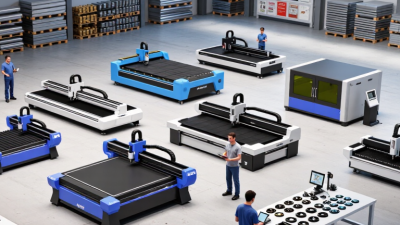
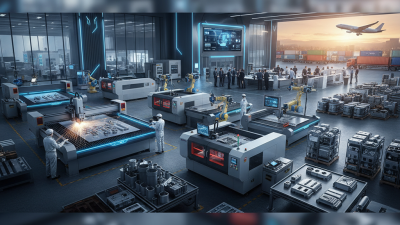
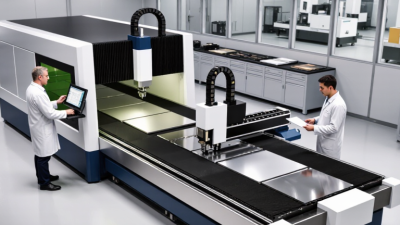
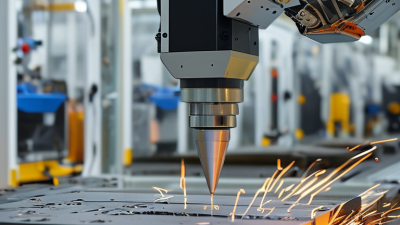
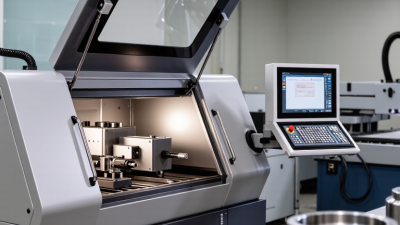
Choosing the best laser technology supplier in China depends on what you need to produce, not just the machine’s price. A fiber laser cutter used for stainless-steel sheets has different requirements from a marking system for small components. Buyers should compare laser source, working area, cutting or marking speed, supported materials, and control software. Ask for a sample made with material similar to yours. A clean edge on a brochure is not enough. See the result yourself.
Technology Laser suppliers may offer equipment, integration, training, and after-sales support, but those services vary. Check the written specifications, warranty terms, spare-parts availability, and response process before placing an order. Request a live demonstration where possible, and confirm that quoted performance matches the planned workload. Useful questions include how the system handles daily operation, maintenance, and production changes. Small details matter. A supplier’s technical team should explain them clearly, without relying only on broad promises.
There is no single answer, and that is easy to forget when comparing polished websites. The right choice may be a large manufacturer or a specialized provider, depending on your application and support needs. Verify company and product information through direct communication and documented test results. Then compare suppliers against the same checklist. This takes time. Still, a careful evaluation can help you find a dependable partner rather than simply the lowest quote.
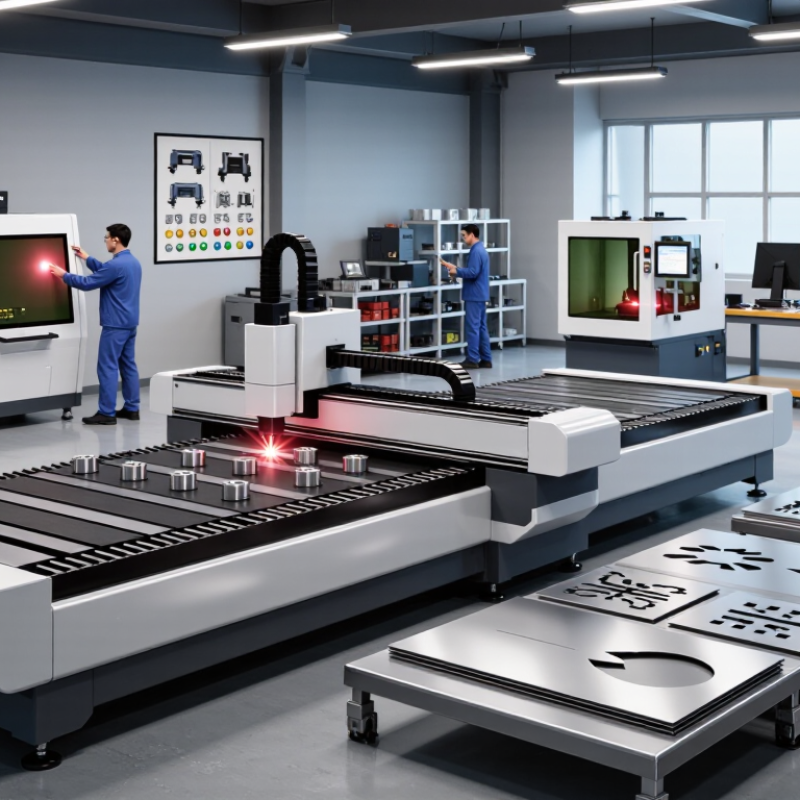
A laser technology supplier in China is more than a company that ships equipment. It should understand how the laser source, motion system, optics, and control software work together. Ask whether its engineers can explain which specifications affect your material and production speed. Look for practical testing, not just a polished product sheet. For example, request a sample processed at your intended thickness, then inspect its edge, heat marks, and consistency across several runs.
That matters.
A reliable supplier also describes limits clearly. Ask how beam stability is checked after warm-up, which components need routine cleaning, and how replacement parts are handled. Written test records and clear operating instructions make evaluation easier. Support should include technical answers, not only sales follow-up.
Small details count.
A limitation worth acknowledging: a successful sample does not guarantee identical results on every production line. Materials, ventilation, operator settings, and maintenance can change outcomes. Compare suppliers using the same test conditions, and ask them to document those conditions. Their willingness to discuss trade-offs may tell you more than a broad claim of high precision.
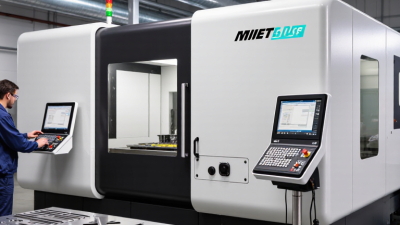
When evaluating a laser technology supplier in China, start with the job the machine must perform. Match wavelength, pulse duration, power, and beam quality to your materials and required finish. Ask for a sample test using your own material, not only a showroom coupon. Inspect the cut edge or weld seam under consistent lighting. Check for burrs, discoloration, and heat damage. Details matter. Request repeated runs to see whether results stay consistent as the machine warms up.
Technical support deserves the same scrutiny as specifications. Ask who handles commissioning, operator training, and troubleshooting, and how quickly they typically respond. Review manuals, maintenance schedules, and the availability of common replacement parts. A supplier should explain performance limits clearly, including which materials or production conditions may reduce quality. Verify delivery terms and warranty coverage in writing. A polished demonstration can still hide a mismatch with your actual workflow. It is worth comparing the supplier’s proposed process with an independent trial, even when that adds time. No checklist removes every risk, but specific test results and clear service commitments make a decision more reliable.
Laser suppliers in China may offer fiber, CO2, ultraviolet, diode, and ultrafast systems. Each suits different materials and production needs. Fiber lasers commonly cut or mark metals, including stainless steel parts and aluminum housings. CO2 systems are often used for wood, acrylic, paper, and textiles. UV lasers can make fine marks on plastics and electronic components with less heat exposure. Ultrafast lasers support precision work where a narrow heat-affected zone matters. The right choice depends on more than wattage.
These technologies serve automotive manufacturing, electronics, packaging, fabrication, and medical-device production. A capable supplier should ask about material type, thickness, surface finish, line speed, and shift hours. They should also explain beam quality, pulse duration, extraction needs, guarding, and routine maintenance in clear terms. Ask for sample processing on your own material; inspect edge quality, mark contrast, and repeatability under realistic settings. Small details count. A tidy specification sheet can still miss a shop-floor problem, and test results may not transfer perfectly between machines. That deserves a second look. Check whether installation, operator training, spare parts, and remote troubleshooting are available before comparing prices.
What Is the Best Laser Technology Supplier in China?
How Can Chinese Laser Suppliers Be Compared?
Compare suppliers by measurable performance, not brochure claims. Fortune Business Insights estimated the global laser market at US$20.19 billion in 2023, reflecting broad demand across industrial and other applications. That growth does not prove any single supplier’s quality. Ask for the exact laser source, wavelength, output-power tolerance, beam quality, and operating-stability data for your intended material. Numbers need context. Request a sample test using your own material, then check cut edges, engraving depth, or weld consistency under repeat runs.
Also examine the evidence behind a supplier’s claims. Review calibration records, inspection procedures, warranty terms, and the availability of replacement parts. A factory visit or live video inspection can reveal assembly and testing practices, though neither guarantees long-term reliability. Ask for customer references in a similar application and confirm who handles technical support after delivery. One weak point: response times stated in a quotation may not reflect service during a production stoppage.
Tips: Send every supplier the same test file and material sample. Compare written results, not just the fastest demonstration. Request a clear service-contact route and a list of commonly replaced components before placing an order. Test it yourself.
What Is the Best Laser Technology Supplier in China?
How Should Buyers Choose a Suitable Supplier?
Start with the material and task, not a machine’s headline power. A supplier should explain how its laser handles your specific thickness, finish, and production speed. Ask for a sample made from your own material. Inspect the cut edge, heat marks, and repeatability under normal operating conditions. A polished showroom sample proves little.
Check how clearly the supplier explains key specifications, including output stability, positioning accuracy, cooling needs, and consumable life. Request a written test report and confirm that the tested configuration matches the quotation. Ask who installs the system, how operators are trained, and how quickly common spare parts can be shipped. Details matter.
After-sales support deserves a practical test. Send a technical question before ordering and note how quickly the team responds. Clear answers are a good sign. Vague promises are not. Review service terms, warranty limits, and remote-diagnostics arrangements in writing. If possible, speak with customers using similar equipment in a similar workshop. No checklist catches everything. Supplier websites can also make performance sound simpler than it is, so verify important claims with operating data and a live demonstration.