China Best Laser Cladding Powder for Superior Surface Protection?
In the realm of advanced manufacturing, "Laser Cladding Powder" has emerged as a pivotal component for surface protection. Dr. Emily Chen, a leading expert in additive manufacturing, once stated, “The right laser cladding powder can make or break the longevity of components.” Her insights reflect the critical role this material plays in industries facing harsh environments.
Laser cladding enhances the surface properties of metal parts and provides excellent wear resistance. Many companies have turned to this technology to extend the life of their machinery. However, not all laser cladding powders are created equal. Choosing the right formulation can be daunting, and many manufacturers struggle with this decision.
The landscape of laser cladding powder is vast and needs careful navigation. Flaws in material choice or application can lead to significant setbacks in production. As industries evolve, so must the knowledge surrounding these powders. Continuous education and expert guidance are essential for optimizing surface protection strategies. Balancing cost and performance remains a challenge, inviting reflection on best practices within the industry.
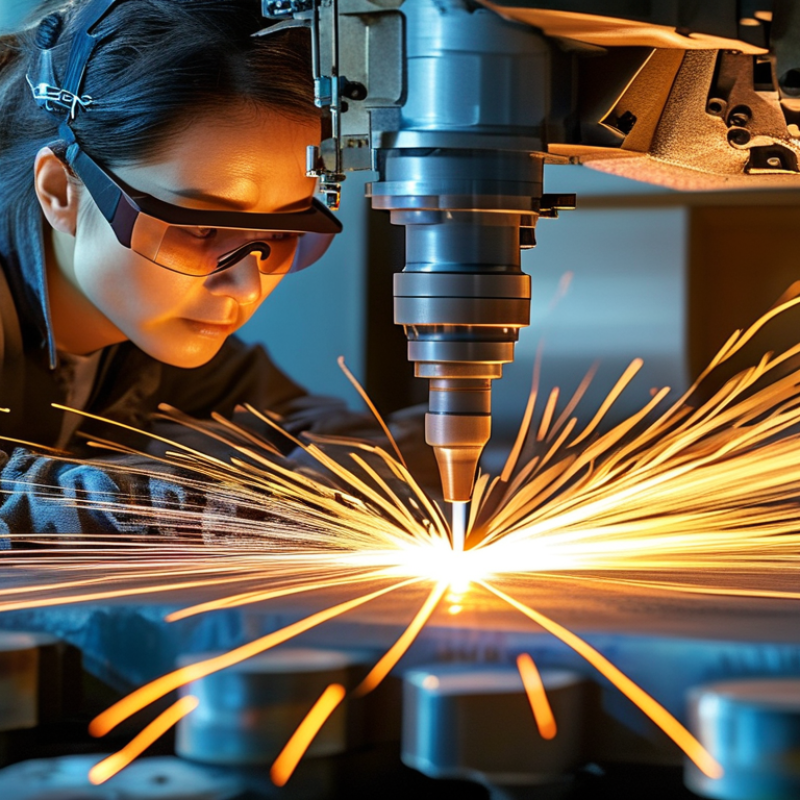
Overview of Laser Cladding Technology and Its Importance in Surface Protection
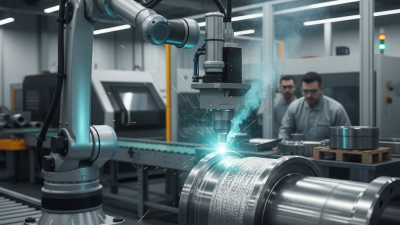
Laser cladding technology has emerged as a vital solution for surface protection. It involves applying a layer of material onto a substrate using a high-powered laser. This process enhances wear resistance, corrosion resistance, and extends the lifespan of components. According to a recent industry report, the global laser cladding market was valued at approximately $1.2 billion in 2022, with projections indicating steady growth over the next several years. Industries such as aerospace and automotive are increasingly adopting this technology to improve their products' durability.
The significance of selecting the right cladding powder cannot be overstated. High-quality powders ensure better bonding and layer integrity. Ineffective material choices may lead to poor surface adhesion and reduced effectiveness. Recent studies have shown that nearly 30% of cladding processes encounter issues related to material incompatibility, underscoring the need for expertise in material selection. The laser parameters also play a crucial role, influencing the melting and solidification rates of the cladding powder. Skilled operators must adjust these settings meticulously to optimize the coating’s performance.
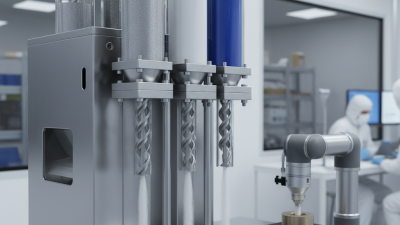
Despite its advantages, the laser cladding process presents challenges. Operators often face difficulties in achieving uniform layer thickness. Variations in the powder feed rate can create inconsistencies, affecting the overall quality. Additionally, monitoring the thermal cycle during cladding can be complex. These inconsistencies can lead to defects that compromise surface protection. Addressing these concerns requires extensive experience and continuous advancements in technology.
China Best Laser Cladding Powder for Superior Surface Protection
This bar chart illustrates the performance metrics of the best laser cladding powders available in China, highlighting their key attributes in surface protection applications. Each metric reflects the effectiveness of the powders in providing superior surface protection against various forms of degradation.
Characteristics of High-Quality Laser Cladding Powders in China
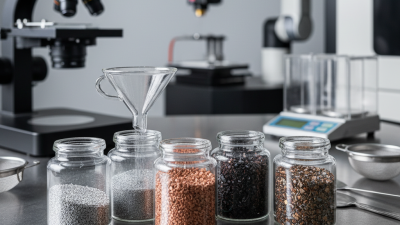
High-quality laser cladding powders in China exhibit distinct characteristics that enhance surface protection. These powders contribute to improved durability and resistance against wear and corrosion. A key feature of premium cladding powders is their particle size. Smaller particles often lead to smoother layers and finer details on the surface. This results in better adhesion and performance during the cladding process.
Another important aspect is the composition of the powder. The best powders combine various metal alloys to achieve superior properties. For instance, incorporating materials like nickel, cobalt, or tungsten can significantly enhance hardness. However, finding the right balance between toughness and hardness remains a challenge for many manufacturers. This is crucial, as too much hardness can lead to brittleness in the coated surface.
Moreover, the consistency of the powder's quality plays a vital role. High-quality powders tend to exhibit less variability in their performance. Yet, variations can still occur during production. This unpredictability can pose risks in industrial applications. Understanding these factors helps users make informed decisions when selecting laser cladding powders.
Applications of Laser Cladding Powder for Enhanced Durability and Wear Resistance
Laser cladding powder has emerged as a critical material in enhancing the durability of various surfaces. This technology involves the application of a high-energy laser beam that melts the powder onto a substrate. As it cools, a strong bond forms, significantly improving wear resistance. Industries using components exposed to extreme conditions, such as mining and aerospace, greatly benefit from these enhanced properties.
The applications of laser cladding are diverse. One prominent use is in the repair of worn industrial parts. This process can restore original dimensions and extend the lifecycle of expensive components. Another application is in the automotive industry, where laser cladding can improve engine performance and longevity. However, achieving the right balance in coating thickness is challenging. Too thick a layer may lead to cracks, while too thin may not offer adequate protection.
In addition, environmental considerations are important. The process generates fumes that can be harmful if not properly controlled. Therefore, ensuring the safety of operators is crucial. Overall, laser cladding powder presents a valuable solution, but like any technology, it requires continuous refinement and responsible use.
China Best Laser Cladding Powder for Superior Surface Protection
| Material Composition |
Applications |
Wear Resistance |
Melting Point (°C) |
Cost per Kg (USD) |
| Stainless Steel Alloy |
Oil & Gas Equipment |
High |
1510 |
15 |
| Titanium Carbide |
Mining Tools |
Very High |
2990 |
25 |
| Cobalt-Based Alloy |
Aerospace Components |
High |
1390 |
30 |
| Nickel-Based Alloy |
Power Generation |
Moderate |
1430 |
20 |
| Chromium Carbide |
Construction Machinery |
Very High |
1850 |
22 |
Comparative Analysis of Leading Chinese Brands in Laser Cladding Powders
Laser cladding is gaining traction for its ability to enhance surface properties. It's a precision technique, widely recognized in industries such as aerospace and automotive. A recent analysis indicates that Chinese manufacturers are stepping up their game in laser cladding powders. Reports suggest that key players have increased their market share significantly in recent years.
Research shows that the average hardness of Chinese laser cladding powders can reach up to 65 HRC. This is notable compared to some global competitors. Key characteristics like wear resistance and corrosion protection are crucial. However, not all powders meet stringent quality standards, leading to variability in performance. Some products fall short in homogeneity, a critical factor in achieving optimal results.
Moreover, the market is not without challenges. Many manufacturers struggle with achieving consistent particle size distribution. This inconsistency affects the application process. Industry analysts recommend rigorous testing and quality assurance practices. Continuous improvements are necessary for long-term success. Consumers should remain vigilant and seek detailed specifications before making selections.
Future Trends and Innovations in Laser Cladding Materials in China
In recent years, laser cladding has emerged as a key technology in surface protection. China is at the forefront of innovations in this field. Recent reports indicate a 15% annual growth rate in the laser cladding market. Companies are increasingly investing in advanced cladding powders to enhance durability and resistance to wear.
One of the promising trends is the development of novel alloy compositions. These new materials boost hardness and corrosion resistance. For instance, the integration of ceramic particles into metal powders shows significant improvements in toughness. Additionally, blending different powders can create synergies that lead to superior outcomes. This approach is gaining traction but requires careful balancing.
While these advancements are exciting, there are challenges. Some cladding materials still suffer from issues such as poor adhesion and microstructural weaknesses. These factors can lead to premature failure, undermining the purpose of protective cladding. Ongoing research aims to address these pitfalls. Experts stress the importance of rigorous testing to ensure reliability in various industrial applications. The future of laser cladding will depend on overcoming these obstacles while pushing the boundaries of material science.