Top Benefits of Laser Cladding for Your Manufacturing Needs?
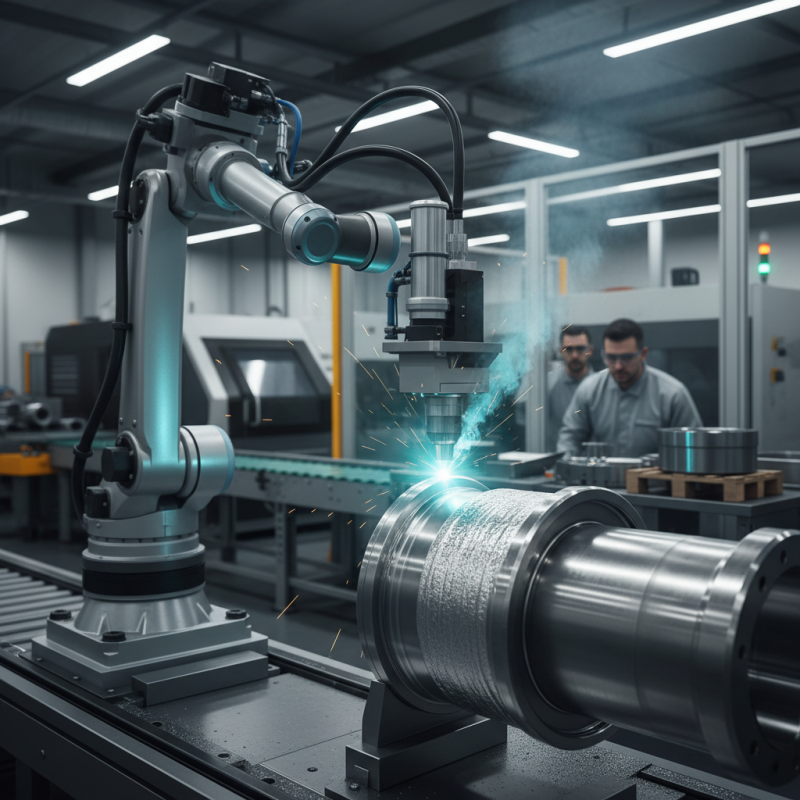
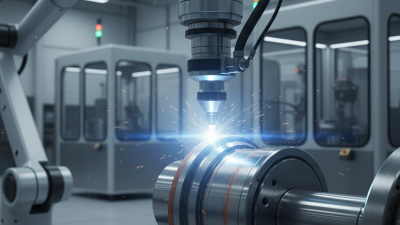
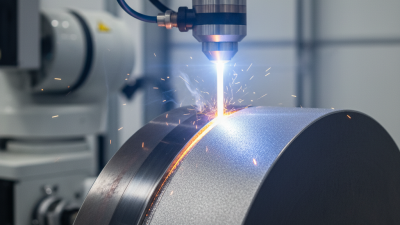
Laser Cladding is revolutionizing the manufacturing industry. This innovative process allows for the enhancement of surface properties on various substrates. By applying a laser beam, materials are melted and fused, creating strong coatings.
Many manufacturers are turning to Laser Cladding for its numerous benefits. It significantly improves wear and corrosion resistance, extending the lifecycle of components. However, it is crucial to choose the right materials and settings for optimal results. Each application has unique challenges that require careful consideration.
While Laser Cladding offers great advantages, it also comes with challenges. The process requires skilled technicians for precise execution. Poor quality control can lead to defects in the coating. Continuous improvement and feedback are essential for achieving excellence in manufacturing.
Key Advantages of Laser Cladding in Enhancing Manufacturing Efficiency
Laser cladding is revolutionizing the manufacturing industry. Its efficiency enhances production capabilities significantly. This process involves fusing material layers using laser energy, creating robust coatings. These coatings improve parts' wear and corrosion resistance. As equipment runs longer, maintenance costs decrease.
One major advantage is the ability to repair worn components. Instead of replacing, manufacturers can refurbish parts through laser cladding. This approach saves time and resources. Additionally, the precision of laser technology allows for intricate designs. Manufacturers can tailor surfaces to specific needs, which was challenging with traditional methods.
Despite its benefits, some questions arise. The initial setup costs can be high. Not all manufacturing environments may benefit equally. It’s wise to assess whether laser cladding meets specific requirements. Careful consideration can lead to better decision-making. Embracing this technology might not be risk-free, but the potential rewards are substantial.
Impact of Laser Cladding on Material Properties and Durability
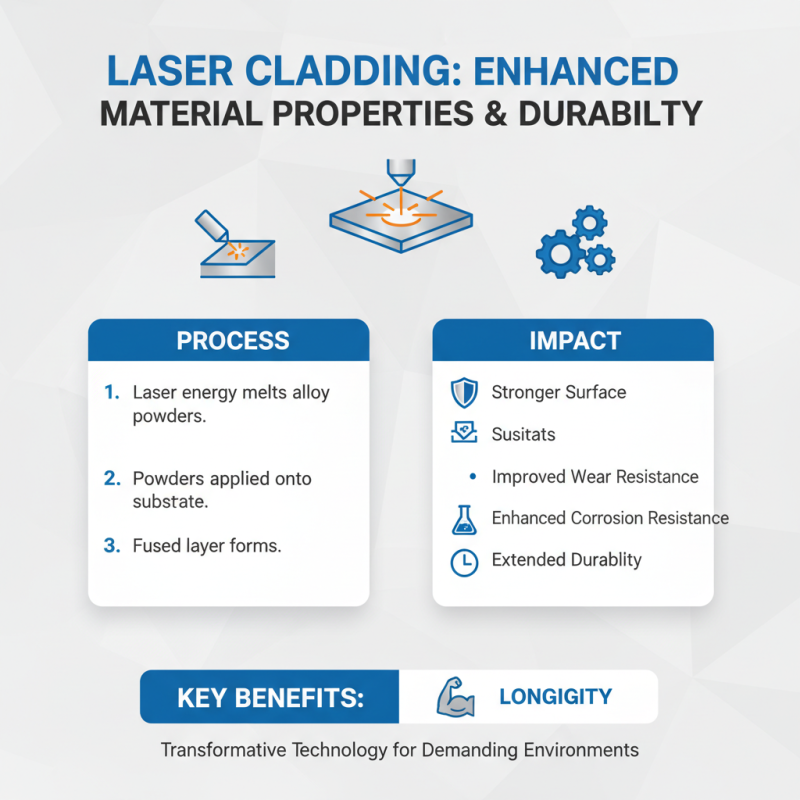
Laser cladding is a transformative technology in manufacturing. It enhances material properties significantly. By utilizing laser energy, it delivers alloy powders onto substrates. The result is a stronger, more durable surface. This process can improve wear resistance and corrosion resistance. In demanding environments, these benefits are crucial.
The impact on material properties is profound. For instance, laser cladding can increase hardness and fatigue resistance. It allows for the creation of multi-layer coatings with different properties. This flexibility opens new avenues in material design. However, not all materials respond uniformly to this technology. Some may require specific adjustments to the laser parameters.
Durability can vary based on the base material and the cladding composition. Not every combination yields the expected results. Testing and optimization are essential steps. Understanding these nuances ensures better outcomes. As laser cladding technology evolves, industry challenges remain. Companies must continuously evaluate performance to maximize benefits.
Cost-Effectiveness of Laser Cladding Compared to Traditional Welding Methods
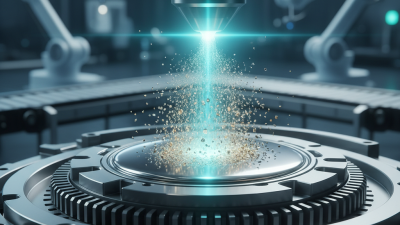
Laser cladding is an innovative process in manufacturing that offers significant cost savings compared to traditional welding methods. This technique uses a focused laser beam to melt metal powders, creating a strong bond. Unlike welding, which often requires extensive post-processing, laser cladding produces a finer finish. The reduced need for secondary machining helps lower overall costs.
Moreover, the material efficiency of laser cladding cannot be overlooked. It minimizes waste by delivering precise amounts of material right where it’s needed. Many manufacturers find that this leads to lower raw material costs and less environmental impact. While implementation costs can be higher initially, the long-term savings from reduced waste are substantial.
However, transitioning to laser cladding does have its challenges. The technology requires specialized equipment and skilled operators, which can be a hurdle for some businesses. It is essential to weigh these factors against potential savings. Not every project may benefit equally from laser cladding, making it vital to assess specific needs before adoption.
Top Benefits of Laser Cladding for Your Manufacturing Needs
| Benefit |
Description |
Cost-Effectiveness |
| Increased Material Efficiency |
Laser cladding minimizes waste by applying material only where needed. |
Lower material costs compared to traditional methods. |
| Enhanced Durability |
Produces a stronger bond with improved wear resistance. |
Reduces maintenance and replacement costs over time. |
| Precision Application |
Allows for highly accurate placement of the cladding material. |
Minimizes the need for post-processing and additional labor costs. |
| Versatility |
Can be applied to a variety of materials and components. |
Cost-effective for various applications compared to specific welding methods. |
| Reduced Heat Affected Zone (HAZ) |
Minimizes distortion and thermal stress on the base material. |
Lowers costs associated with repairs and remanufacturing. |
Applications of Laser Cladding in Various Manufacturing Industries
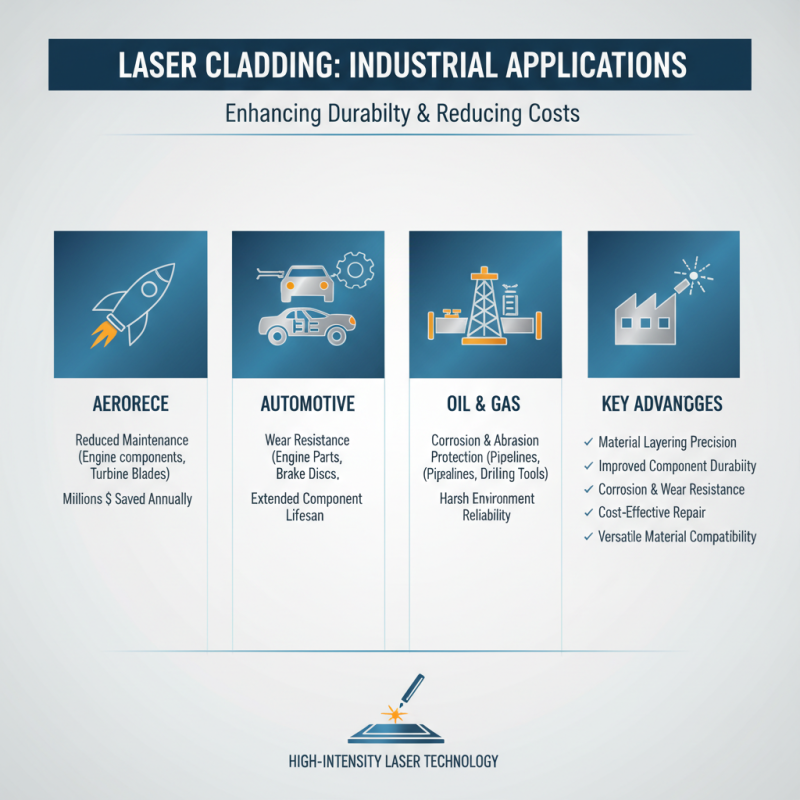
Laser cladding has gained significant traction across various manufacturing industries for its unique advantages. This technique involves applying a layer of material onto a substrate through high-intensity laser energy. Reports indicate that industries like aerospace, automotive, and oil and gas have leveraged laser cladding for its ability to enhance component durability and resistance to wear. In aerospace, for example, laser cladding can reduce maintenance costs significantly, potentially saving companies millions annually.
In the automotive sector, manufacturers have utilized laser cladding to improve engine component properties. Research suggests that using this technology can extend the lifespan of engine parts by up to 50%. Additionally, marine industries have found value in cladding materials to combat corrosion. Despite these benefits, challenges remain. The initial investment can be steep. Companies often hesitate, fearing a long return on investment.
Furthermore, the precision of laser cladding makes it ideal for complex geometries. It allows manufacturers to tailor material properties precisely for specific applications. However, not all manufacturers possess the expertise to effectively implement this technology. There is a potential skills gap. This creates an opportunity for training and knowledge sharing within the sector. Each industry has its unique demands, and adapting laser cladding requires understanding these intricacies.
Future Trends in Laser Cladding Technologies and Their Implications
Laser cladding technologies are evolving rapidly, driving significant changes in manufacturing. One notable trend is the development of hybrid systems that combine laser cladding with traditional techniques. This approach enhances efficiency and allows for more complex designs. Manufacturers are beginning to adopt these hybrid systems for their versatility and improved material properties.
Another emerging trend is the integration of artificial intelligence into laser cladding processes. AI can optimize parameters in real-time, ensuring high precision and reduced waste. This capability not only improves productivity but also lowers costs. However, the reliance on technology raises questions about workforce skills and training. Companies must consider how to balance automation with human expertise.
Sustainability is also at the forefront of laser cladding innovations. Manufacturers are focusing on energy-efficient practices and the use of materials that minimize environmental impact. Yet, the challenge lies in achieving a balance between sustainability and performance. Businesses must continually assess the long-term implications of their technological choices.