10 Essential Tips for Choosing the Right Laser Lens for Your Needs?
Choosing the right Laser Lens can significantly impact your projects. The correct lens enhances precision and efficiency in various applications. Many users struggle with this decision due to the plethora of options available. Understanding your specific needs is critical.
Consider the type of laser equipment you possess. Each Laser Lens serves different functions. The material and coating of the lens also play vital roles. For instance, certain lenses are better suited for high-power lasers, while others excel with lower power settings.
It's important to think about the environment in which you'll operate. Dust and moisture can affect lens performance. Regular maintenance and care are necessary. Reflection on your usage patterns can lead to better choice outcomes. This decision may not just be technical; it involves understanding your project goals. A clear lens aids in achieving more accurate results, but not all lenses are the same. Explore your options thoroughly.
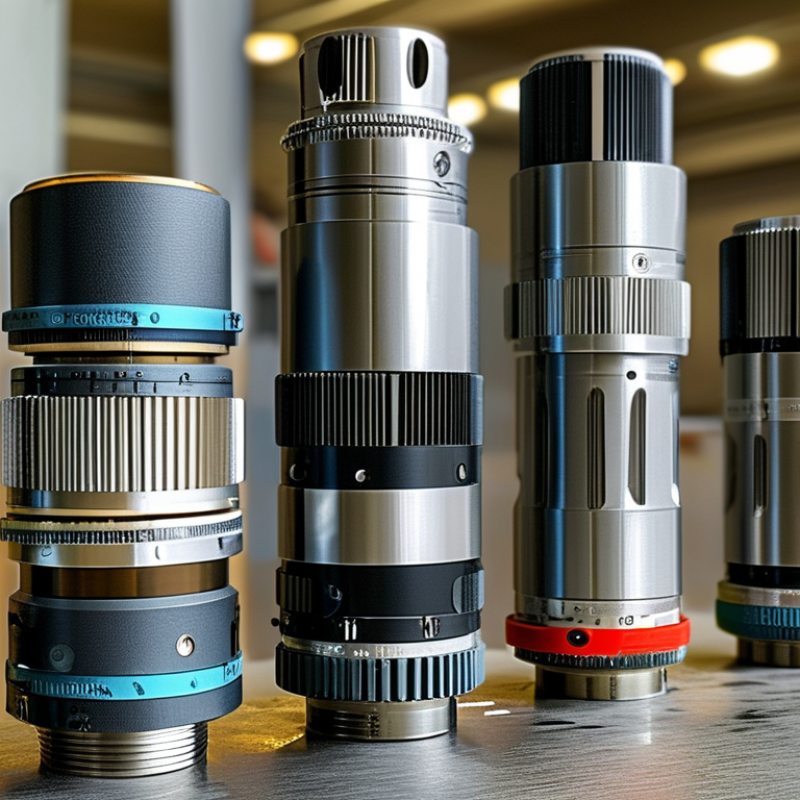
Understanding the Different Types of Laser Lenses Available on the Market
Selecting the right laser lens can be challenging. Understanding the different types available is essential. Each lens type serves a unique purpose, and knowing their features helps in making an informed choice.
Focusing lenses concentrate the laser beam to achieve higher intensity. They are crucial for cutting and engraving tasks. Collimating lenses, on the other hand, create a parallel beam. This is vital for applications requiring precision over long distances. Furthermore, specialized lenses exist for specific materials and tasks. For example, certain lenses can enhance the effectiveness of lasers on different surfaces, like metal or wood.
While many opt for the most expensive option, this might not guarantee the best results. Quality varies greatly among lenses. A more affordable lens can outperform a pricier one in specific scenarios. It’s crucial to assess your individual needs before purchasing. Don’t overlook compatibility with your laser system; it can dramatically affect performance. Choosing wisely requires both research and hands-on experience.
10 Essential Tips for Choosing the Right Laser Lens for Your Needs
| Lens Type |
Material |
Wavelength Range (nm) |
Focal Length (mm) |
Features |
| Standard Lens |
Glass |
400 - 1100 |
50 |
Cost-effective for general cutting |
| High Precision Lens |
Fused Silica |
350 - 700 |
100 |
Ideal for intricate designs |
| Reflective Lens |
Aluminum |
800 - 1064 |
75 |
Minimal heat absorption |
| Aspheric Lens |
Optical Glass |
400 - 1060 |
80 |
Reduces spherical aberration |
| Coated Lens |
Glass |
500 - 1200 |
60 |
Enhances light transmission |
Key Factors to Consider When Selecting a Laser Lens for Your Applications
Choosing the right laser lens involves understanding key factors that will impact your applications. One critical element is the lens material. Different materials, like glass or polycarbonate, offer varying levels of durability and optical clarity. Consider your specific needs. For example, certain environments may demand a tougher lens while others prioritize image precision.
Another important aspect is the lens coating. Coatings can reduce glare and enhance transmission. However, not all coatings are suitable for every application. Assessing the wavelength of your laser is crucial. This will guide you in selecting a lens that maximizes performance.
Finally, think about the focal length. A lens with a longer focal length often provides more depth of field. However, this may come at the cost of detail in close up applications. Balance is key here. Reflect on the trade-offs you might face when selecting a lens. Each choice can dramatically affect your outcomes, so be thorough in your analysis.
Evaluating Material Compatibility for Optimal Laser Lens Performance
Choosing the right laser lens requires a careful evaluation of material compatibility. Different materials interact uniquely with laser wavelengths. For optimal performance, understanding these interactions is crucial. For instance, glass lenses may not be suitable for certain high-powered lasers. This is because they can absorb some wavelengths, leading to unwanted energy loss.
Consideration of the material's thermal properties is equally important. Some materials can warp or degrade under high heat. This can compromise a lens's integrity and performance. In industrial applications, where precision is key, a flawed lens can lead to serious issues. Regular reviews of material specifications can help avoid costly errors.
In addition to thermal stability, the lens coating plays a vital role. The right coating can enhance durability and reduce reflections. However, not all coatings are compatible with every lens material. Reflect on your specific laser application to determine the ideal combination. It may require testing different configurations to find what works best. Seek expert opinions if unsure, as experienced recommendations can guide you toward a more effective choice.
Determining the Correct Focal Length for Your Laser Lens Needs
Choosing the right laser lens begins with understanding focal length. This measurement significantly affects performance and application. A shorter focal length means a more focused beam, suitable for intricate engraving. Conversely, a longer focal length spreads the beam, making it ideal for cutting thicker materials.
Consider your application carefully. If precision is key, a lens with a shorter focal length is essential. Industry reports indicate that a lens with a 1.5-inch focal length achieves 30% better engraving results compared to a 2.5-inch lens. Evaluate the thickness of the materials you will work with, as this will influence your choice.
Selecting the right focal length can be challenging. It's important to assess your needs accurately. A common mistake is choosing a lens based solely on device compatibility. Always balance performance and material needs. Testing different lens types can reveal surprising outcomes. Remember, even experienced users sometimes overlook fundamental selections. Understanding focal length is not just technical; it’s an art that requires exploration.
Assessing Cost vs. Quality in Laser Lens Selection: Finding the Right Balance
When selecting a laser lens, balancing cost and quality is crucial. A recent report indicated that nearly 65% of users prioritize upfront cost over long-term performance. This mindset can lead to costly mistakes. Cheaper lenses may initially save money, but they often lack durability and may require frequent replacements.
Choosing a lens with better material properties often means higher upfront costs. However, investing in high-quality lenses can enhance efficiency and precision. Studies show that using premium lenses can improve laser system performance by up to 30%. Ultimately, selecting a lens is not just about price; it reflects the overall investment in effective technology.
It’s not uncommon for users to overlook maintenance and compatibility. A lens that doesn’t fit well can degrade system efficiency. In contrast, quality lenses designed for specific applications can significantly reduce downtime. Many professionals find it challenging to strike the perfect balance. The decision should consider both immediate needs and long-term operational goals. While low-cost options seem appealing, they might hinder overall productivity and lead to higher operational costs over time.
Cost vs. Quality Analysis of Laser Lenses