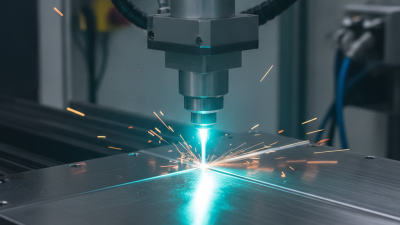
Top 10 Benefits of Laser Cladding Coating for Global Buyers?
Laser Cladding Coating is an advanced technology widely recognized in various industries. This process offers a wide array of benefits that attract global buyers. One of its significant advantages is the enhancement of surface properties. It improves wear resistance, corrosion resistance, and other essential features. As organizations look for cost-effective solutions, Laser Cladding Coating presents an ideal option.
Moreover, the versatility of this technology allows it to address diverse applications. From aerospace to automotive, its impact is profound. Businesses seeking to extend the lifespan of their components find this coating particularly advantageous. Yet, as with any technology, certain challenges exist. Potential clients must weigh performance against their specific needs. Understanding these intricacies is crucial for making informed decisions.
Engaging with experts who specialize in Laser Cladding Coating can provide deep insights. They can help in navigating the complexities of material selection and application processes. By fostering a reliable partnership, buyers can leverage the full benefits of this innovative solution. In a competitive market, informed decisions pave the way for success.
Understanding Laser Cladding Coating: A Brief Overview of the Technology
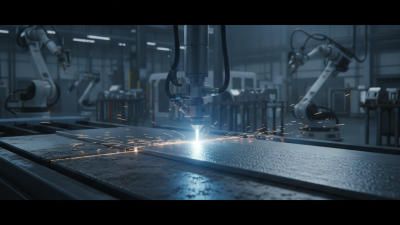
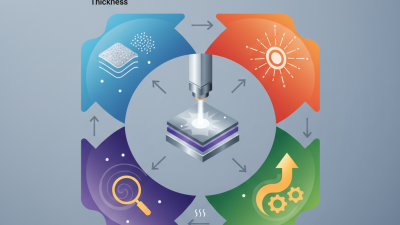
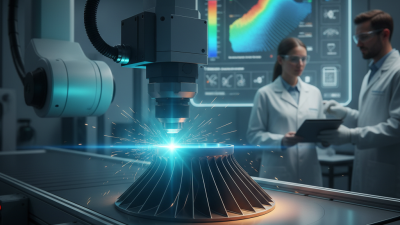
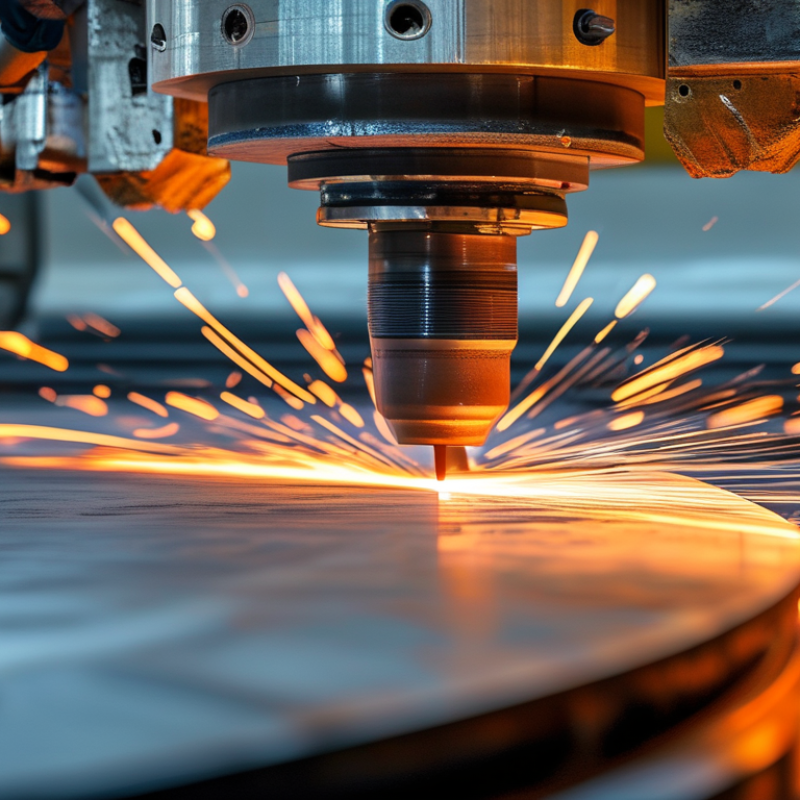
Laser cladding coating is an advanced technology that enhances metal surfaces. This technique involves melting a powder material onto a substrate using a powerful laser. The result is a strong bond that improves wear resistance, corrosion resistance, and thermal stability. While the process seems straightforward, it requires precision and expertise for optimal results. There is always room for experimentation with laser parameters and material choices.
Tips: When making decisions about laser cladding, consider the substrate material. Different bases may affect the cladding properties significantly. Proper surface preparation is also vital. Clean surfaces help achieve better adhesion and performance.
This technology is versatile. Industries like aerospace, automotive, and manufacturing benefit. However, one must remember that not every application will suit laser cladding. Evaluating specific needs is crucial to avoid costly mistakes. It’s essential to consult experts to determine the best approach. Understanding the intricacies of the process can save time and resources.
Enhanced Durability: Protecting Surfaces Against Wear and Corrosion
Laser cladding coating is a powerful method to enhance surface durability. This technology creates a strong bond between the base material and the cladded layer. As a result, surfaces become significantly more resistant to wear and corrosion. These properties are critical for industries that handle harsh environments.
One striking benefit is that laser cladding can replace traditional coatings. Often, these alternative methods may wear off quickly. In contrast, the laser process allows for precise application of materials. It minimizes the energy needed for surface repair. However, improper application could lead to uneven surfaces or inadequate bonding, which raises concerns.
With laser cladding, the flexibility in material selection is notable. Buyers can choose alloys with specific properties to suit their needs, leading to longer-lasting components. The initial investment might seem high, but the long-term benefits often offset costs. Yet, buyers must be cautious about potential overestimations of durability. Continual assessment of coated surfaces is essential for maintaining operational efficiency.
Cost-Effectiveness: Reducing Maintenance and Replacement Expenses
Laser cladding coating is gaining popularity for its cost-effectiveness in various industries. This advanced surface modification technique reduces maintenance and replacement expenses significantly. According to a report from the International Journal of Productivity and Performance Management, companies that adopt laser cladding can reduce wear costs by up to 30%. This is a substantial saving that can enhance overall profitability.
The application of laser cladding creates hard, wear-resistant surfaces. These surfaces prolong the life of components subjected to harsh conditions. A study by the American Welding Society indicates that laser cladding can increase the lifespan of parts by up to 50%. This reduction in wear leads to less frequent replacements, translating directly into lower operational costs.
Tip: Ensure thorough inspections before implementing laser cladding. Inconsistent coating thickness may result in uneven performance and unexpected failures. Choosing the right materials for cladding is also vital. Some metals may not bond effectively, impacting durability and cost savings.
Laser cladding requires skilled operators and precise technology. Initial setup costs can be high, but the long-term savings outweigh these expenses. Continuous evaluation of processes is essential to maximize the benefits of this innovative technology.
Versatility of Applications: Industries Benefiting from Laser Cladding
Laser cladding has revolutionized various industries by enhancing the durability and efficiency of critical components. In the aerospace sector, for example, laser cladding is used to repair worn parts and extend their service life. This process helps reduce waste and lowers repair costs, making it an effective solution for manufacturers.
Additionally, the automotive industry benefits significantly from this technology. Laser cladding aids in producing high-performance engine components with improved wear resistance. By applying coatings that withstand extreme conditions, manufacturers can improve engine longevity. The marine and oil & gas industries also see advantages, particularly in protecting equipment from harsh environments.
While the versatility of laser cladding is evident, challenges still exist. The technology requires precise control over parameters to achieve optimal results. In some cases, achieving uniform coatings can be tricky, leading to inconsistencies. Despite these hurdles, the promise of enhanced performance and lower maintenance makes laser cladding an attractive option across multiple sectors.
Top 10 Benefits of Laser Cladding Coating for Global Buyers
Sustainability Advantages: Eco-Friendly Aspects of Laser Coating Solutions
Laser cladding coating is not just about enhancing surface properties; it brings sustainability advantages that appeal to global buyers. This eco-friendly technology utilizes lasers to apply materials precisely. It minimizes waste by depositing only the necessary amount. This precision reduces the extraction and processing of raw materials, which often involves significant environmental harm.
Moreover, the durability of laser coatings contributes to sustainability. These coatings extend the lifespan of components. When machinery lasts longer, it diminishes the need for frequent replacements. This leads to lower resource consumption over time. However, the production of coatings still involves energy and materials. It's essential to reflect on the overall carbon footprint associated with these processes.
Using laser cladding also promotes recycling. Components treated with laser coatings are often easier to refurbish. They can be stripped down without excessive waste. But, buyers must consider the source of the raw materials used in coatings. Sustainability should encompass the entire lifecycle. Transparency in material sourcing remains a challenge. Addressing these concerns will help pave the way for more eco-friendly practices in the industry.
Top 10 Benefits of Laser Cladding Coating for Global Buyers
| Benefit |
Description |
Sustainability Advantage |
| Enhanced Durability |
Laser cladding increases the lifespan of components by providing a hard surface layer. |
Reduces waste and resource consumption by extending product life. |
| Wear Resistance |
Offers superior resistance against abrasive wear compared to conventional coatings. |
Minimizes the need for frequent replacements, saving materials. |
| Corrosion Resistance |
Effective in protecting materials from corrosive environments. |
Lower environmental impact due to reduced chemical leakage over time. |
| Material Versatility |
Compatible with a variety of materials, enabling tailored solutions. |
Promotes innovative recycling of materials used in coatings. |
| Precision Application |
Allows for precise application without excessive heat input. |
Reduces energy consumption during manufacturing processes. |
| Low Material Waste |
Not a lot of excess material is generated during the process. |
Contributes to a circular economy by minimizing waste. |
| Cost Efficiency |
Reduces operational costs by enhancing equipment life and performance. |
Enables better resource allocation and less frequent renewals. |
| Reduced Downtime |
Quick application process leads to less equipment downtime. |
Enhances productivity with fewer interruptions. |
| Eco-Friendly Options |
Possibility of using less harmful materials in the cladding process. |
Aligns with green manufacturing principles and sustainability goals. |
| Customization |
Easily tailored to specific requirements for various applications. |
Enables efficient use of materials tailored to environmental needs. |