How to Achieve Optimal Laser Surface Finishing Results?
Achieving optimal results in Laser Surface Finishing is essential for enhancing product performance and durability. According to a recent market analysis by TechNavio, the global laser surface finishing market is expected to grow by over 29% through 2025. This indicates a rising demand for precision engineering and surface treatment technologies. Experts in the field, including Dr. Helena Wright, a leading researcher in laser technology, emphasize, "The right parameters can transform the surface quality significantly."
Despite advancements, many companies still face challenges. Factors such as laser power, speed, and material properties must align precisely. The complexity of these variables often leads to inconsistent results. In a survey by the International Journal of Advanced Manufacturing Technology, 42% of manufacturers reported difficulties in achieving desired surface finishes consistently. This highlights the need for ongoing training and fine-tuning of processes.
Moreover, while high-quality finishes are achievable, mistakes are common. Over-processing can lead to detrimental effects, resulting in surface defects. Reflection and adjustment are crucial for continuous improvement in Laser Surface Finishing capabilities. Embracing both technology and skilled craftsmanship will pave the way for superior outcomes.
Understanding Laser Surface Finishing: Principles and Benefits
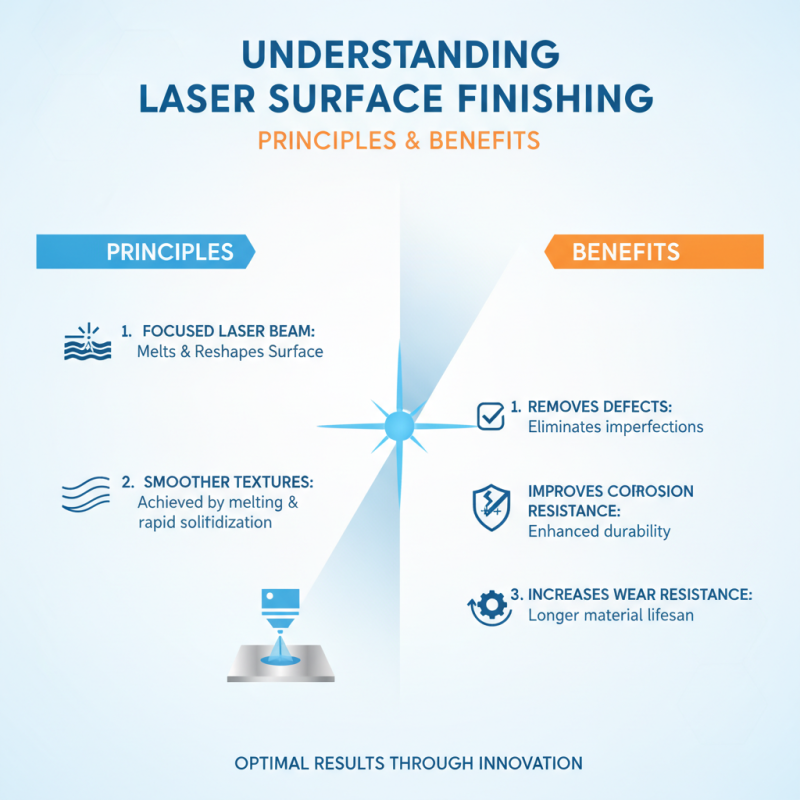
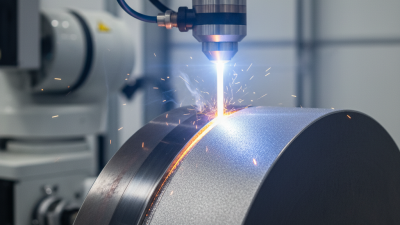
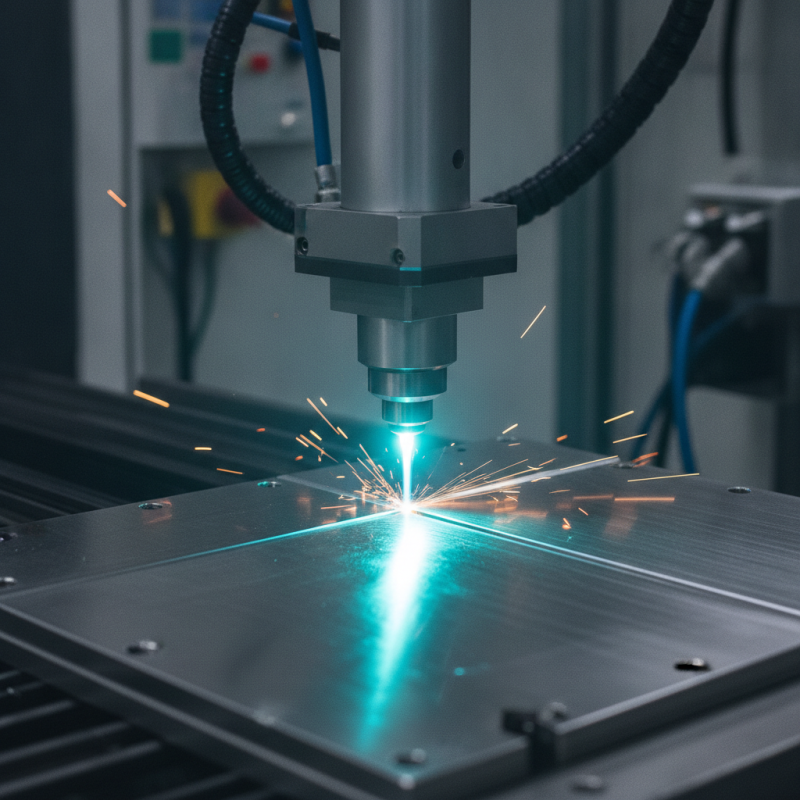
Laser surface finishing is an innovative technique that enhances the surface quality of materials. It applies a focused laser beam to melt and reshape the surface layer, resulting in smoother textures. This process effectively removes defects, improves corrosion resistance, and increases wear resistance. Understanding these principles helps in achieving optimal results.
One key benefit of laser surface finishing is its precision. It allows for controlled depth of treatment. This precision minimizes damage to underlying structures. However, achieving the desired results requires a solid understanding of material properties and laser settings. Adjusting parameters like pulse duration and energy levels is crucial.
Tips for effective laser surface finishing include conducting thorough material tests first. A tailored approach based on specific material behavior can yield better outcomes. Additionally, ensuring a clean work environment helps in obtaining consistent results. Regular maintenance of the laser equipment is also essential for optimal performance.
Key Factors Influencing Laser Surface Finish Quality
Laser surface finishing is influenced by several critical factors.
Power density is a primary parameter. Studies indicate that an optimal power density range is between
106 to 107 W/m² for effective material removal. Exceeding this range may lead to undesirable surface roughness. A report from the
International Journal of Advanced Manufacturing Technology mentions that power density significantly affects the thermal distribution on the surface.
The speed of the laser also plays a crucial role. Higher scanning speeds can decrease the interaction time between the laser and the material.
This can result in lower heat-affected zones, but may also lead to insufficient energy absorption. According to a study by the
Laser Institute of America, scanning speeds above 500 mm/s can compromise surface finish quality if not correctly calibrated.
Material type is another vital consideration. Different materials respond uniquely to laser processing.
For example, metals may require different parameters than polymers to achieve optimal finish. Even slight deviations in settings can produce inconsistent outcomes.
Incomparable results from various materials often reflect the need for tailored approaches. Attention to these details enhances the likelihood of achieving superior surface finishes.
Optimal Laser Parameters for Surface Treatment Efficiency
Achieving optimal laser surface finishing results requires a thorough understanding of laser parameters. Proper settings influence the quality and efficiency of treatment. It’s essential to adjust the power, pulse duration, and scanning speed to suit the specific material and desired finish. Each of these factors interacts, sometimes in unexpected ways.
Tips: Start with lower power settings to prevent material damage. Gradually increase until you find the sweet spot. Experimentation is key. Adjusting the pulse duration can also enhance results. Short pulses often lead to finer finishes. However, too short a duration may cause incomplete processing.
Efficiency in laser treatment is a balance of speed and precision. Faster speeds might save time but could compromise quality. A slow approach can yield superior results, but it also increases processing time. Reflecting on outcomes can help in refining these parameters for subsequent projects. Each trial offers insights into the material’s response, guiding future adjustments.
How to Achieve Optimal Laser Surface Finishing Results?
| Laser Type |
Wavelength (nm) |
Power (W) |
Speed (mm/s) |
Pulse Duration (ns) |
Surface Quality |
| Fiber Laser |
1064 |
150 |
300 |
200 |
Smooth Finish |
| CO2 Laser |
10600 |
100 |
200 |
500 |
High Clarity |
| Nd:YAG Laser |
1064 |
200 |
100 |
10 |
Very Smooth |
| Excimer Laser |
248 |
20 |
50 |
10 |
Ultra-fine Finish |
Comparative Analysis of Laser Finishing Techniques and Their Outcomes
Laser finishing techniques have evolved significantly over recent years. A comparative analysis of these techniques reveals their distinct outcomes and efficiencies. For instance, studies indicate that pulsed laser systems typically achieve smoother surfaces, but they also require more careful parameter adjustments. According to a recent report by the International Journal of Advanced Manufacturing Technology, pulsed lasers can improve surface roughness by up to 80% compared to traditional methods.
On the other hand, continuous wave lasers offer advantages in speed. They can cover larger areas in less time. However, their surface finishing quality may not reach the same level as pulsed lasers. Data suggests that while continuous lasers reduce processing time by nearly 40%, the average surface roughness improvement hovers around 50%. This trade-off raises questions about the balance between time efficiency and finishing quality.
Moreover, the choice of materials plays a critical role. Different materials react uniquely to laser treatments, which can impact the final finish. Some materials may melt or deform under intense laser exposure. This necessitates careful consideration of laser parameters like intensity and duration. Reflecting on these aspects highlights the complexity of achieving optimal results in laser finishing. Understanding these nuances is key for professionals aiming to enhance their finishing outcomes.
Quality Control Metrics for Evaluating Laser Surface Finish Results
Achieving optimal laser surface finishing requires a keen focus on
quality control metrics. These metrics help determine the success of your finishing process. Common measures
include roughness averages, surface profile, and visual inspections.
Each metric provides insight into the effectiveness of the laser treatment.
Tips: Establish baseline measurements before beginning your laser finishing. This practice enables you to
compare results accurately. Also, implement a standardized evaluation process. Consistency in assessment will lead
to more reliable outcomes.
Incorporating advanced metrics can significantly improve your results. Operators should be trained to recognize
ideal surface qualities. Sometimes, subjective evaluations may lead
to discrepancies. Regular calibration of measurement tools is also essential. Without regular checks, equipment drift can alter your results.
Striving for perfection may reveal areas needing improvement. A culture of reflection can enhance quality outcomes.