2026 Best Laser Cladding System for Global Buyers
Choosing the right Laser Cladding System in 2026 is no longer a simple equipment comparison. Global buyers must evaluate coating quality, production goals, service support, and long-term operating costs. A system that performs well on a laboratory sample may struggle beside a busy production line.
This guide examines practical solutions for manufacturers in aerospace, energy, mining, automotive, and industrial repair. It considers laser power, powder or wire delivery, motion accuracy, cooling design, monitoring functions, and software usability. These details matter when rebuilding a worn turbine shaft or protecting a hydraulic cylinder from repeated abrasion. Small differences can affect layer thickness, dilution, surface finish, and rework rates.
Real experience should guide the purchase. Ask for application samples, process data, maintenance records, and references from comparable industries. Confirm whether local technicians can support installation and calibration. A reliable supplier should explain limitations, not only advertise maximum performance. That point is often missed.
The best Laser Cladding System depends on material, geometry, production volume, and operator expertise. Stainless steel, nickel alloys, cobalt alloys, and carbide blends may require different settings and feeding methods. Automation can improve consistency, but it cannot replace sound process development. Even advanced monitoring may produce misleading confidence if sensors are poorly calibrated.
This review compares leading systems through a practical, buyer-focused lens. It also recognizes an uncomfortable truth: no machine is perfect for every factory. Budget pressure, training gaps, delivery times, and regional support can change the final decision. Careful testing remains essential. Use evidence, question impressive claims, and select the system that fits your real production floor.
What Is a Laser Cladding System?
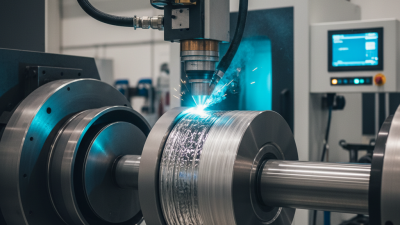
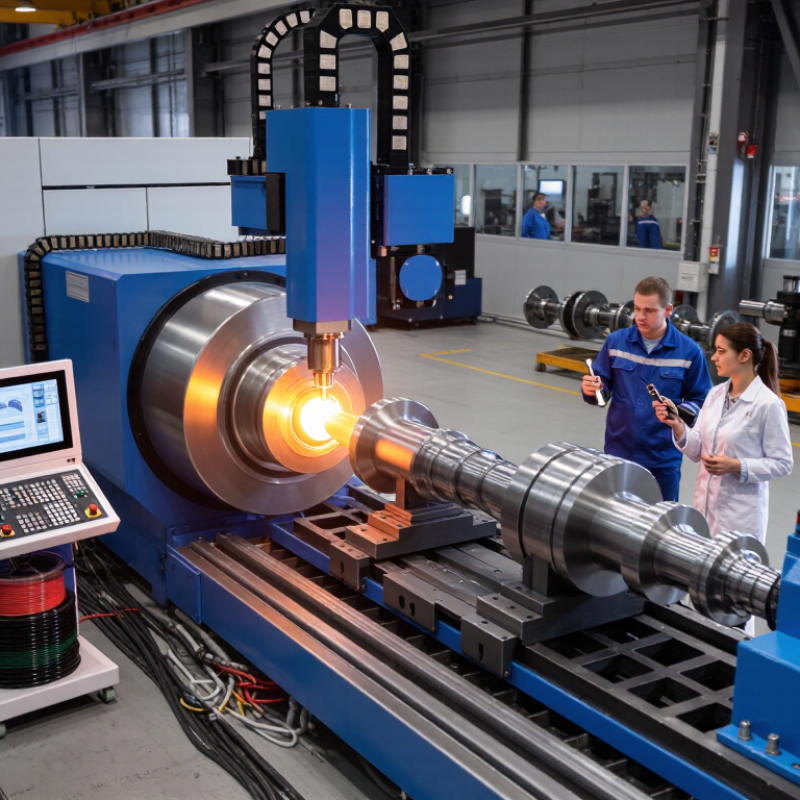
A laser cladding system is industrial equipment that adds a protective metal layer to a component. It uses a focused laser beam to melt powder or wire onto the surface. The deposited material forms a metallurgical bond with the base metal. This bond is usually stronger than ordinary surface coatings.
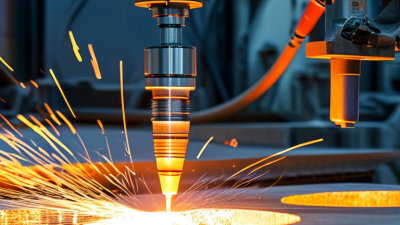
A complete system may include a laser source, powder feeder, cladding nozzle, shielding gas, cooling unit, motion platform, and control software. Together, these parts manage heat, material flow, and travel speed. The system can repair worn shafts, rebuild turbine edges, or improve resistance to wear and corrosion. In practical work, operators check dilution, porosity, hardness, and layer thickness. Test coupons are essential before production. The first parameter set is rarely perfect. Small changes in laser power can alter the heat-affected zone. Excessive powder flow may create rough or uneven tracks. These details require measurement, not guesswork.
Tips: Match the laser spot size to the repair area. Keep powder delivery stable and inspect the nozzle regularly. Record power, speed, feed rate, and gas flow for every trial. Use cross-sectional testing when bond quality matters. A visually smooth layer can still contain hidden defects. Safety procedures, ventilation, and trained operation remain necessary in every installation.
2026 Best Laser Cladding System for Global Buyers: What Is a Laser Cladding System?
A laser cladding system uses a focused laser beam to melt powder or wire onto a component surface, creating a metallurgically bonded layer with improved wear, corrosion, heat, or dimensional-repair performance.
The chart shows representative engineering ranges for laser power by application. Actual requirements depend on material, layer thickness, deposition speed, beam diameter, powder or wire feed rate, and component geometry. These are general industry ranges and do not represent any specific company or brand.
How Laser Cladding Systems Work
2026 Best Laser Cladding System for Global Buyers
How Laser Cladding Systems Work
A laser cladding system repairs or strengthens a metal surface with controlled heat. The laser creates a small molten pool on the component. A powder or wire feeder adds compatible material into this pool. The added material bonds metallurgically with the base metal. This bond is usually stronger than a simple surface coating.
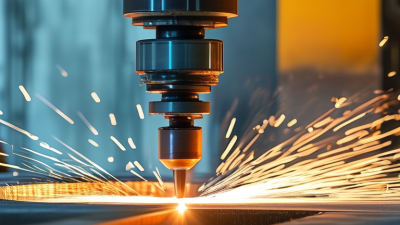
During operation, a motion platform guides the laser head along programmed paths. Shielding gas reduces oxidation around the molten area. Technicians adjust laser power, travel speed, feed rate, and spot size. These settings control layer thickness, hardness, and dilution. Sensors can monitor temperature and surface height during deposition. Small changes matter. A tiny feed-rate error may create pores or uneven tracks.
In practical repair work, surface preparation remains critical. Oil, rust, and loose particles can weaken the final layer. Operators also inspect bead overlap and measure hardness after cooling. Different metals require different powders, heat input, and cooling control. The process is precise, but it is not effortless. A visually smooth surface may still contain internal defects. That is why reliable systems need documented procedures, calibration records, and qualified inspection. My own assessment is cautious: automation improves repeatability, yet experienced supervision still prevents costly mistakes.
Key Components and Technical Specifications
The 2026 best laser cladding system should be judged by component balance, not laser power alone. A typical system combines a fiber laser, powder feeder, deposition head, motion platform, shielding gas circuit, and closed-loop monitoring. For industrial repair, a 1–6 kW laser often supports practical coating and restoration work. Powder sizes commonly range from 45–150 micrometres. Deposition rates may reach 0.5–8 kg per hour, depending on material, geometry, and process stability.
The laser head needs accurate beam focusing and coaxial powder delivery. A water-cooled nozzle can protect alignment during long production cycles. The powder feeder should maintain steady flow, often within approximately ±2–5%. Argon or nitrogen shielding reduces oxidation, but gas selection depends on the alloy. ISO/ASTM 52900 provides useful terminology for additive manufacturing systems. The Wohlers Report 2024 recorded a global additive manufacturing industry value of 20.035 billion US dollars in 2023. This supports wider industrial adoption, although laser cladding data remains less transparent. More power is not automatically better. Excess heat can increase dilution, distortion, and residual stress.
Tips: Request cross-section samples, hardness results, dilution measurements, and repeatability data. Check whether the monitoring system records melt-pool temperature and layer height. I would not approve a system from brochure figures alone. Test your actual alloy, powder size, and repair geometry before purchase. A short factory trial may reveal unstable feeding or poor edge control.
Best Laser Cladding System Options for 2026
Best Laser Cladding System Options for 2026
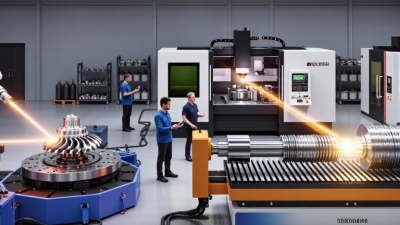
For global buyers, the best laser cladding system depends on part geometry, alloy, production volume, and repair goals. A robotic cell suits large shafts, valves, and turbine components. It offers flexible motion and consistent tool paths. A compact CNC system fits smaller parts and controlled workshop production. Choose powder feeding for precise, thin layers. Wire feeding can reduce material waste on larger deposits. Real application trials matter more than catalog specifications.
Tips: Request sample cladding on your actual substrate. Check layer thickness, bonding strength, hardness, and dilution after machining. Ask for process records, calibration procedures, and operator training. Confirm enclosure design, extraction, cooling, and emergency controls meet local requirements. Start with data. Measure twice.
A reliable 2026 system should include stable beam control, accurate material delivery, and real-time monitoring. Useful sensors can track melt-pool temperature, deposition height, and unexpected interruptions. These features support repeatability, but they do not replace skilled supervision. Maintenance access also deserves attention. Powder lines may clog, optics may collect residue, and software updates can interrupt production. I have found that buyers sometimes focus on laser power while overlooking service response and spare-part availability. That is a costly weakness. Performance should be verified using documented tests, not impressive demonstrations alone. Some applications still need several parameter adjustments before the desired surface quality appears.