Top 10 Benefits of Laser Cladding for Industrial Applications?
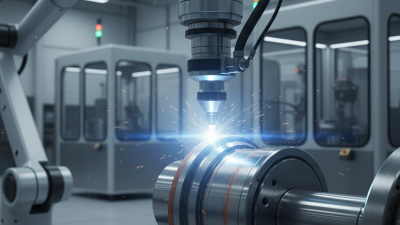
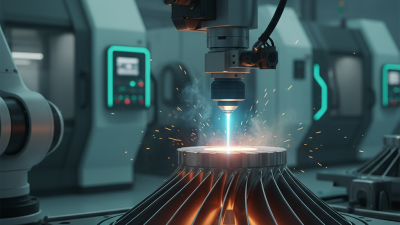
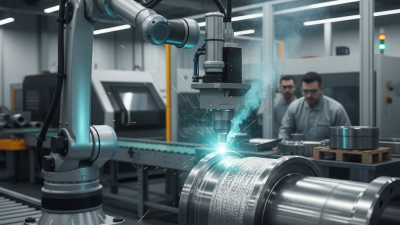
Laser Cladding represents a significant advancement in industrial applications. This innovative process involves depositing layers of material onto surfaces, enhancing wear resistance and durability. Industries are increasingly adopting Laser Cladding for its ability to repair components and extend their life cycle. The precision of this technology minimizes waste, a critical factor in today's resource-conscious world.
Moreover, Laser Cladding allows for the application of diverse materials. This flexibility opens new possibilities for engineers seeking specific properties in components. For example, coatings with high corrosion resistance can be created on steel substrates. However, the initial investment can be high, which raises questions about cost-effectiveness in certain situations.
Many companies report positive outcomes from implementing Laser Cladding. However, it requires skilled operators and the right equipment. The technology is continuously evolving, making it essential to stay updated. For many manufacturers, embracing this technology poses a balancing act between benefits and investment challenges. As Laser Cladding becomes more mainstream, its advantages are becoming clearer.
Advantages of Laser Cladding in Enhancing Material Properties
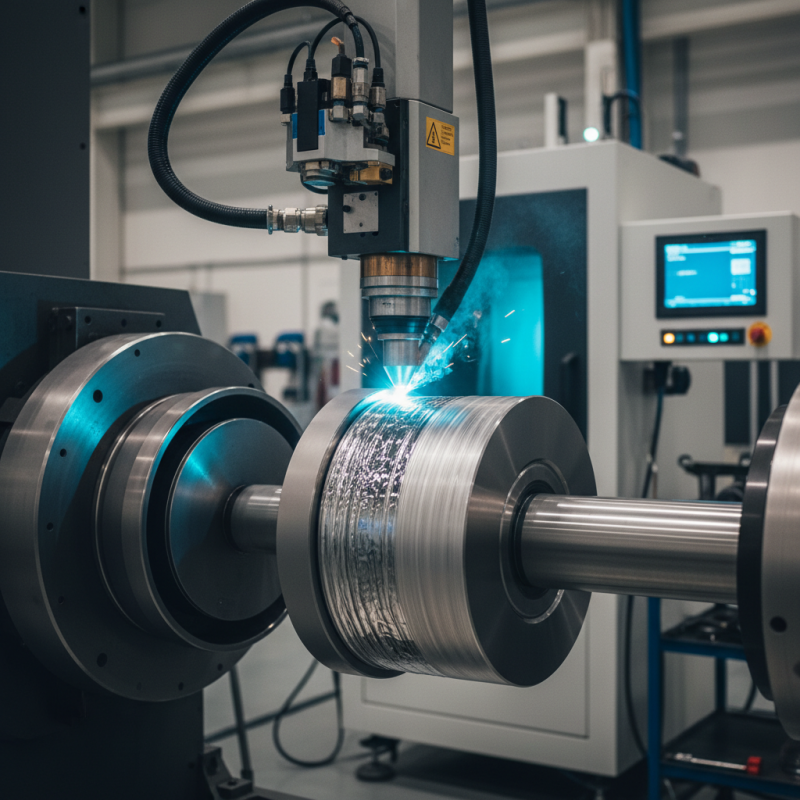
Laser cladding is an advanced process that significantly enhances material properties. One of the key advantages is its ability to improve wear resistance. By applying a layer of high-performance material, components last longer in harsh environments. Equipment such as pumps and valves benefit immensely from this technology.
In addition to boosting wear resistance, laser cladding improves corrosion resistance. The process can create a protective layer that withstands harsh chemicals and environmental factors. This is particularly valuable in industries like oil and gas. However, it's essential to consider the initial costs and the need for precise control during application. Any miscalculation can lead to suboptimal results.
Another noteworthy benefit is the ability to repair damaged parts. Instead of replacing entire components, businesses can restore functionality through laser cladding. This method can save time and reduce material waste. Yet, it requires skilled operators and precise equipment. Companies must invest in training to ensure quality outcomes.
Top 10 Benefits of Laser Cladding for Industrial Applications
| Benefit |
Description |
| Enhanced Wear Resistance |
Laser cladding improves the surface hardness of components, extending their service life. |
| Cost Efficiency |
Reduces the need for frequent replacements and maintenance, leading to lower operational costs. |
| Versatility |
Applicable to various materials including metals, polymers, and composites. |
| Minimal Heat Affected Zone (HAZ) |
Reduces distortion and maintains the integrity of the base material. |
| Improved Corrosion Resistance |
Enhances the durability of components in corrosive environments. |
| Customization |
Allows for tailored solutions to meet specific performance requirements. |
| Faster Process |
Speed of application reduces downtime and increases productivity. |
| Eco-Friendly |
Minimizes waste generation compared to traditional coating methods. |
| Longer Service Life |
Enhances the operational longevity of machine components. |
| High Precision |
Provides excellent control over thickness and composition of coatings. |
Improvement of Wear Resistance through Laser Cladding Techniques
Laser cladding stands out in improving wear resistance for industrial applications. This process involves adding a layer of material onto a substrate using high-power lasers. The result is a hardened surface that can withstand extreme conditions. Industries that expect heavy wear, such as mining or manufacturing, benefit greatly from this technique.
Wear resistance is crucial for prolonging the life of machinery. Laser cladding can enhance hardness and corrosion resistance. It also provides superior bonding between layers. The ability to customize the cladded material offers flexibility for specific applications. However, the requirement for precise equipment and skilled operators may pose challenges.
Some may find the initial investment in laser cladding technology daunting. Additionally, the application process must be carefully monitored. If not executed properly, the results can be inconsistent. This highlights the importance of expert knowledge in the field. Fine-tuning techniques can lead to better outcomes and greater efficiency. With ongoing advancements, laser cladding will continue to play a significant role in enhancing wear resistance across industries.
Cost-Effectiveness of Laser Cladding in Manufacturing Processes
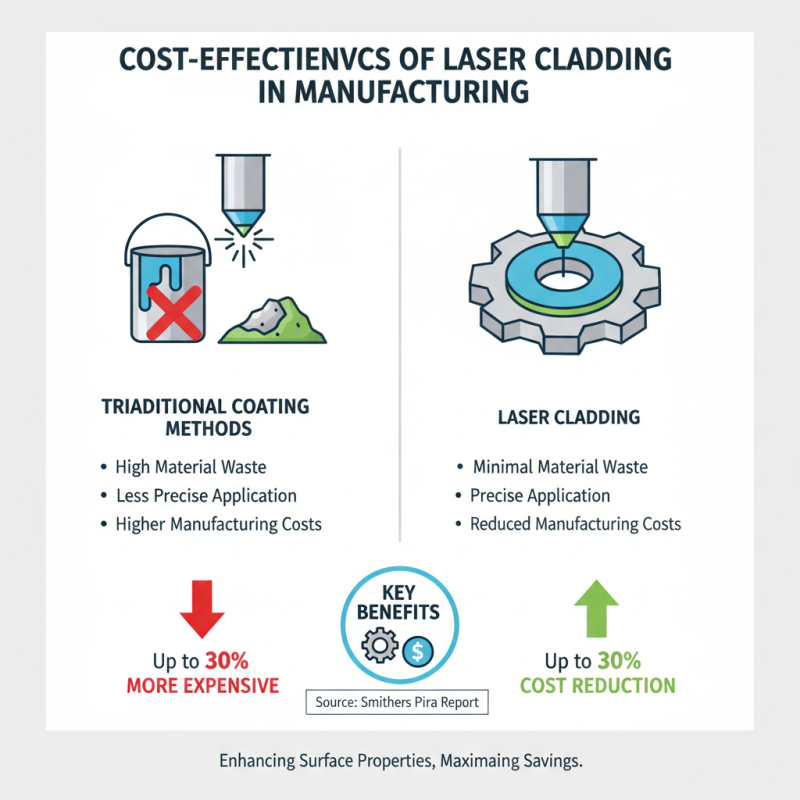
Laser cladding has emerged as a cost-effective solution in manufacturing, particularly for enhancing surface properties. A report by Smithers Pira suggests that laser cladding can reduce manufacturing costs by up to 30% compared to traditional coating methods. This is primarily due to its precise application techniques and minimal material waste. Traditional processes can be wasteful, often leading to excess material that doesn't contribute to functionality.
One significant advantage is the reduced downtime required for repairs and maintenance. Laser cladding typically results in stronger, more resistant surfaces. Consequently, industries report up to a 40% increase in equipment lifespan. This not only reflects improved productivity but also translates to lower overall costs. Another important point to consider is that while laser cladding is an investment, the long-term cost savings usually outweigh initial outlays.
**Tip:** Regularly assess the compatibility of laser cladding with your materials. Understanding the specific needs of your application can lead to optimized results.
Monitoring the effectiveness after implementation is crucial. Not all materials may yield equal benefits from laser cladding. Variations in performance may lead to unexpected challenges. Adjusting processes based on real-world results can enhance efficiency and satisfaction.
**Tip:** Seek advice from experts in laser technology to identify the best applications for your needs. A customized approach ensures more significant savings and increased reliability.
Applications of Laser Cladding in Aerospace and Automotive Industries
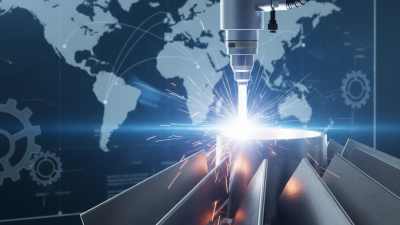
Laser cladding has become essential in aerospace and automotive industries. It provides superior coating options that enhance component performance and lifespan. In aerospace, laser cladding is used for repairing turbine blades. These components often experience extreme conditions. The cladding restores their original strength and resistance to wear.
In the automotive sector, laser cladding is applied to improve engine parts. It reduces friction and enhances durability. With this technology, manufacturers can achieve better fuel efficiency. The process is precise, minimizing material waste and energy consumption. Every layer of cladding can be finely controlled for optimal results.
Tips for effective laser cladding include ensuring optimal parameters. Adjust the speed and power settings carefully. Monitor the environment to avoid contamination. Regular maintenance of equipment is also crucial. Investing time in these details can lead to significant performance gains.
Environmental Benefits of Laser Cladding Compared to Traditional Methods
Laser cladding offers significant environmental advantages over traditional surface coating methods. Traditional techniques often involve the use of harmful solvents and generate substantial waste. For instance, a report from the International Journal of Advanced Manufacturing Technology states that up to 30% of materials can become waste in conventional processes. In contrast, laser cladding minimizes material loss. Only the necessary amount of material is melted and bonded, resulting in less scrap.
The energy efficiency of laser cladding also plays a vital role in reducing environmental impact. Studies reveal that laser cladding can consume up to 50% less energy than traditional thermal spray coatings. This reduction not only lowers operational costs but also decreases greenhouse gas emissions. Furthermore, this method generally utilizes fewer hazardous materials, improving workplace safety and community health.
Despite these benefits, challenges remain. Not every industrial application suits laser cladding. Its initial setup costs can also be higher. Companies need to evaluate the technology's long-term gains against upfront expenses. As industries shift toward greener practices, continuous innovation and adaptation are essential. The future of laser cladding hinges on addressing these limitations while expanding its advantages.