What Are the Top Cladding Head Types in 2026?
In 2026, choosing a Cladding Head is less about appearance alone and more about how a fixing performs against the panel, substrate, and exposure. The GlobalABC and UNEP 2023 Global Status Report states that buildings accounted for 34% of global energy demand and 37% of energy- and process-related carbon emissions in 2022. Those figures do not rank screw heads, but they underline why durable, well-detailed building envelopes matter. A fixing is small. Its consequences may not be.
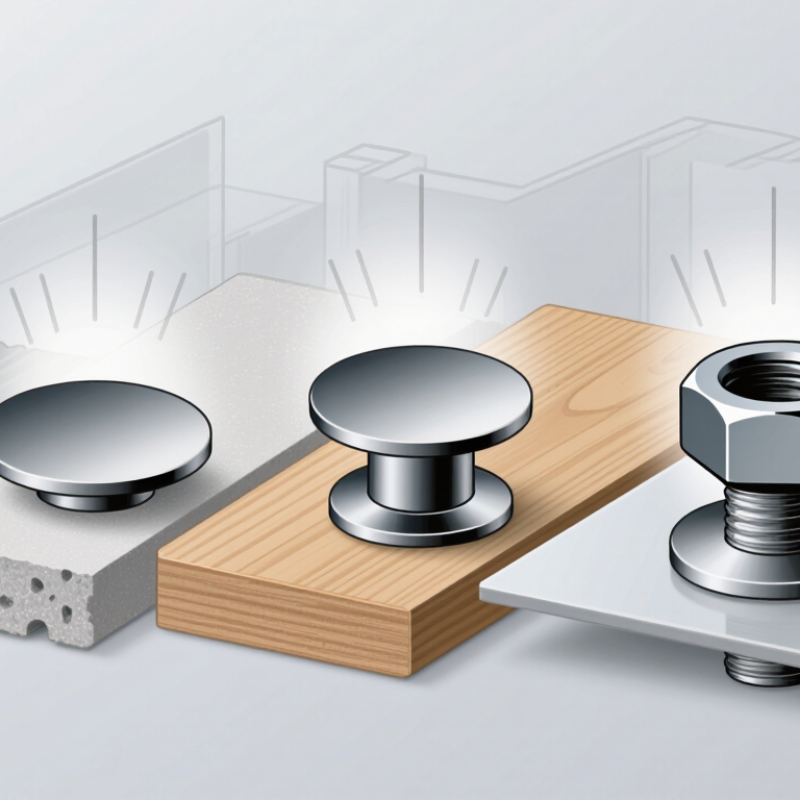
This guide compares common options: countersunk and flat heads for flush finishes, pan and wafer heads for broader bearing, hex washer heads for tool access, and low-profile or trim heads where a discreet finish is important. Each has trade-offs. Wider heads can spread load, while exposed profiles may collect dirt or interrupt a clean façade line. Actual performance also depends on fastener material, coating, pull-out resistance, installation quality, and the cladding manufacturer’s specifications.
There is no single, independently verified global ranking of “top” cladding head types for 2026. That limitation matters. Product testing and project conditions should carry more weight than a generic popularity list. The U.S. Department of Energy’s building-envelope guidance emphasizes the role of envelope components in controlling heat, air, and moisture movement; it does not prescribe one fastener-head shape. The practical choice is therefore system-specific. A coastal rainscreen, a timber façade, and a thin metal panel may call for different details. Even experienced installers can overlook that distinction. The sections ahead weigh each head type by fit, finish, fastening needs, and common limitations.
Understanding Cladding Heads and Their Industrial Role
What Are the Top Cladding Head Types in 2026?
Understanding Cladding Heads and Their Industrial Role
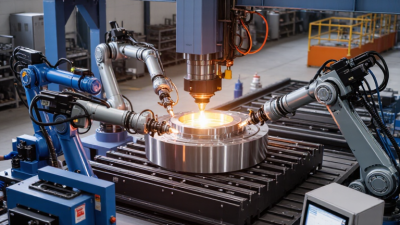
Cladding heads deliver heat and filler material to a workpiece, forming a protective or functional surface layer. In industrial settings, the right head can influence coating thickness, dilution, and consistency. Common options include laser heads for powder or wire feeding, and arc-based heads for wire deposition. Some laser designs feed material coaxially; others feed it from the side. Each setup suits different part shapes and production needs. There is no universal winner.
Tips: Match the head to the material, geometry, and required layer thickness. Check access around corners and recesses. A test bead on a sample can reveal spatter, uneven tracks, or excessive heat before production begins. Keep optics and feed paths clean.
In practice, operators also consider deposition rate, maintenance, and process control. A powder-fed head can handle detailed surfaces, while wire-fed systems may reduce unused feedstock. Arc-based equipment can be practical for larger parts and thicker deposits. Results still depend on settings and operator skill. A sophisticated head cannot fix poor preparation. Even small changes in travel speed can alter the bead profile. Selection should follow measured trials, not a catalog ranking; that judgment can be overlooked when schedules are tight.
The Main Cladding Head Types Used in 2026
Cladding heads guide heat, filler material, and shielding toward a component’s surface. In 2026, common options include wire-arc, strip-arc, and laser cladding heads. Each suits different part shapes, deposition rates, and finish requirements. The right choice depends on the job, not simply the newest equipment.
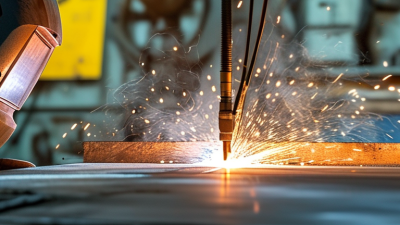
Wire-arc heads feed solid or cored wire into an arc, making them practical for large surfaces and repair work. Hot-wire systems preheat the filler, which can increase deposition while limiting extra heat in the component. Strip-arc heads lay down a broad band of filler. They are often used on wide, cylindrical surfaces, but narrow grooves can be awkward. Setup matters. Feed alignment and steady travel help prevent uneven layers.
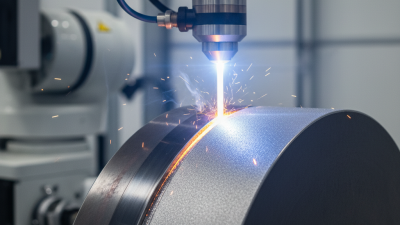
Laser cladding heads deliver concentrated energy and commonly feed powder or wire. Coaxial powder nozzles suit changing travel directions; side-feed designs can offer clearer access to some surfaces. Laser processes can produce precise, relatively thin deposits, though they demand careful control of focus, feed rate, and shielding. There is no perfect head. Even a capable system may struggle with a poorly accessible joint or inconsistent surface preparation. That detail is easy to underestimate. Trial beads, measured layer thickness, and routine nozzle checks help teams confirm that a head suits the actual component.
How Different Cladding Heads Apply Protective Materials
What Are the Top Cladding Head Types in 2026?
How Different Cladding Heads Apply Protective Materials
Powder-fed laser heads direct metal powder into a focused laser melt pool. The head can use coaxial nozzles, which feed powder around the beam, or side nozzles aimed at a specific travel direction. Coaxial delivery suits changing tool paths; side feeding can be simpler on straight, accessible surfaces. Watch the powder stream closely. A small shift can leave a thin or uneven track.
Wire-fed laser heads guide solid wire into the molten area. They reduce loose powder handling, but wire angle and feed speed need careful control. Plasma transferred arc (PTA) heads feed powder into a plasma arc, building thicker overlays on wear-prone parts. They apply more heat, so dilution and distortion need attention. Not subtle.
AMPP’s 2016 IMPACT study, originally commissioned by NACE, estimated annual corrosion costs at US$2.5 trillion, about 3.4% of global GDP. That figure describes corrosion broadly, not cladding performance. For selection, compare bead shape, access, heat input, and material use on a representative part. Curved surfaces can expose weak spots that a flat coupon hides. The best head depends on the job; this comparison is useful, but not perfect.
Key Factors for Choosing a Cladding Head
Choosing a cladding head starts with the component, not the catalogue. Powder-fed heads suit complex paths and fine control, while wire-fed heads can deliver higher deposition rates with less unused material. Coaxial nozzles handle changing travel directions; side-fed designs can be simpler for straight, accessible surfaces. Those are tendencies, not guarantees. Alloy, substrate, bead overlap, and operator setup can change the result.
Check the required dilution, coating thickness, access angle, and repair method. A narrow bore may need a compact head and careful shielding, while a broad roller can favor a larger spot and faster coverage. Ask for measured deposition rate, dilution, and repeatability on a representative test piece. ISO 15614-7:2016 covers procedure qualification for overlay welding, so qualified test records offer a useful comparison point. Fume control matters too. OSHA sets an eight-hour permissible exposure limit of 5 micrograms per cubic meter for hexavalent chromium; heads processing chromium-bearing alloys need suitable extraction and monitoring. That detail is easy to miss. In practice, I would also check nozzle-change time and whether the head maintains shielding at the chosen angle. A small test can expose awkward access or unstable feeding before production begins.
What Are the Top Cladding Head Types in 2026? — Key Factors for Choosing a Cladding Head
This comparison is a qualitative selection guide, not a standardized test or market ranking. Scores range from 1 (lower typical fit) to 5 (higher typical fit); actual performance depends on the material, part geometry, process settings, and equipment. Coaxial powder heads suit deposition from multiple directions, off-axis powder heads can access localized areas, wire-fed heads use feedstock efficiently, and high-speed powder heads are suited to higher travel speeds.
Emerging Cladding Head Technologies and Applications in 2026
In 2026, cladding heads are evolving from simple delivery tools into precision systems.
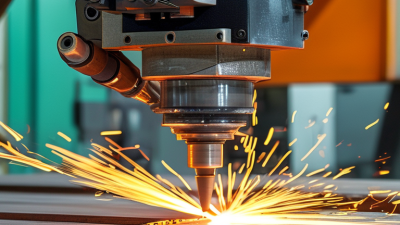
Coaxial powder heads feed material around the laser beam, supporting consistent deposition on curved paths. Side-feed heads remain useful for repair work, though their direction sensitivity can complicate tight corners. Wire-fed heads reduce powder loss and suit larger builds, but wire alignment demands care. Small details matter: a shifted nozzle can leave uneven tracks.
Emerging designs combine adjustable optics, multiple powder streams, and in-process monitoring. Sensors can track melt-pool brightness and temperature, helping operators spot instability before a component needs rework.
MarketsandMarkets estimated the laser cladding market at USD 561.5 million in 2023, with a forecast of USD 1.09 billion by 2028.
That growth points to broader industrial interest, not guaranteed demand for every head type.
The Wohlers Report 2024 placed the wider additive manufacturing industry at USD 20.0 billion in 2023, up 11.1%;
this is useful context, but it does not isolate cladding.
Applications are expanding in turbine components, hydraulic shafts, and mining equipment, where worn surfaces can be restored with targeted material deposition.
For 2026, the practical choice depends on geometry, alloy, and repair volume—not novelty alone.
Monitoring helps. Yet sensor readings still need skilled interpretation, and published market forecasts cannot replace shop-floor trials. A head that performs well on a flat coupon may behave differently around a narrow edge.