Choosing among the 7 best powder feeder systems starts with the material, not the catalog. A free-flowing polymer pellet behaves differently from a cohesive mineral powder. Particle size, moisture, bulk density, and flowability can change feeding accuracy. A small hopper test may reveal bridging or surging before those problems reach a production line.
Powder-handling author David Mills’s work supports a useful principle, stated here as a paraphrase rather than a direct quotation: “Understand the powder before selecting the feeding equipment.” That perspective matters when comparing screw, vibratory, belt, and loss-in-weight feeders. Each design suits different materials and operating demands. Check the required feed rate, contact materials, cleaning access, controls, and integration needs. Ask suppliers for test data using your actual powder, not only a similar product. A sample that looks consistent in a jar may still compact inside a hopper.
The right Powder Feeder System should deliver a stable feed under real operating conditions. Look for repeatable performance, clear calibration procedures, and accessible service points. A feeder’s rated accuracy is useful, but it does not tell the whole story. Installation, powder variability, and operator practices matter too. There are trade-offs. More automation can improve monitoring, yet it may add setup and maintenance demands. This guide compares seven options and highlights the questions industrial buyers should ask before choosing. Even careful testing has limits; production conditions can expose details a short trial misses.
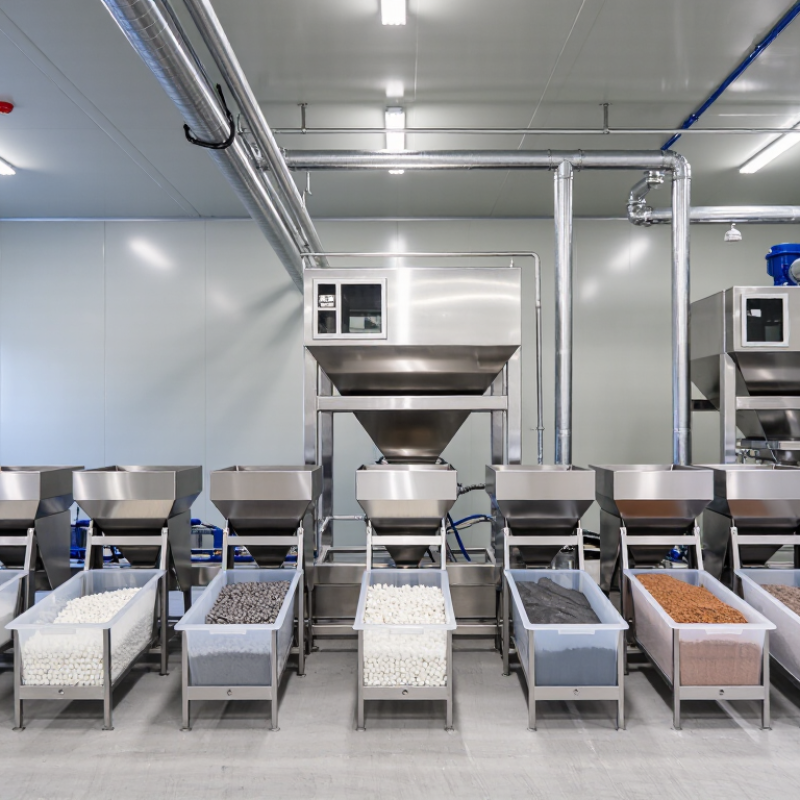
Powder feeder systems meter dry ingredients and deliver them into mixers, reactors, or packaging lines at a controlled rate. In a blending line, a feeder might add a fine mineral powder while a conveyor carries the main material. Consistent dosing helps maintain product composition and reduces unexplained variation between batches. Small changes matter.
A volumetric feeder regulates output by controlling screw speed or another mechanical delivery method. It can work well when powder density and flow remain fairly stable. A gravimetric feeder measures weight loss over time and adjusts delivery to meet a target rate. That measurement can improve control, but it does not remove every source of error. During refill, readings may fluctuate.
Material behavior shapes the choice. Fine powders can cling to hopper walls, while damp or compacted material may form bridges above the outlet. Operators should check flow, cleanability, dust containment, and access for routine calibration. A short trial with the actual powder can reveal problems that a specification sheet misses. In practice, this is where plans get messy. Even careful settings need rechecking when humidity, particle size, or batch conditions change.
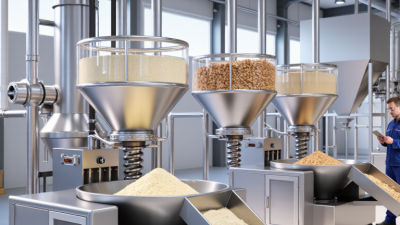
Powder feeder systems regulate the controlled transfer of dry solids into mixers, reactors, packaging lines, and continuous-process equipment. The chart shows typical achievable feed-rate accuracy ranges; lower percentages indicate tighter control.
Typical engineering ranges shown as feed-rate deviation under suitable operating conditions. Actual performance depends on powder flowability, particle size distribution, bulk-density variation, calibration, and equipment configuration.
7 Best Powder Feeder Systems for Industrial Buyers?
How Powder Feeder Mechanisms Control Material Flow
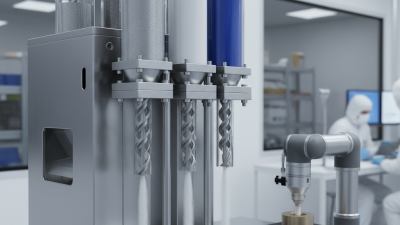
A powder feeder controls more than the amount leaving a hopper. It shapes how material moves, how consistently it reaches the process, and how quickly the system responds to change. Screw feeders use a rotating auger to move powder through a tube. Smaller screw pitches can support finer adjustments, though cohesive powders may still pack between flights. Vibratory feeders use controlled vibration to encourage material across a tray. They can handle gentle dosing, but vibration settings need care.
Loss-in-weight systems monitor hopper weight as powder is discharged. A controller adjusts the feeder speed to maintain the target delivery rate. This can be useful when bulk density shifts during a production run. Rotary valves meter material through pockets in a turning rotor, often while helping maintain a seal between process stages. Each mechanism has limits. No feeder can fully correct poor powder flow on its own.
Watch the powder itself. Fine particles may cling to hopper walls, while damp or irregular material can form a bridge above the outlet. A feeder may appear to run normally, yet deliver unevenly. Test with the actual powder, not only a substitute. Record feed rate, vibration or screw settings, and hopper level during trials. Real conditions matter. Calibration also needs repeating after material or process changes. Even experienced operators can miss a slow drift; that deserves attention.
7 Best Powder Feeder Systems for Industrial Buyers?
Key Factors for Choosing a Powder Feeder
Choosing among seven powder feeder systems requires more than comparing advertised accuracy. Start with the material. Record its bulk density, moisture level, particle size, flowability, and tendency to bridge. A free-flowing powder may suit a volumetric screw feeder. Cohesive material often needs agitation or a twin-screw design. Vibratory, rotary, belt, pneumatic, and loss-in-weight systems each solve different feeding problems.
Feed rate matters just as much. A laboratory trial may show excellent precision, yet production conditions can change everything. Check the minimum and maximum rates, refill interruptions, and response during speed changes. Loss-in-weight systems can offer strong control, but they require stable load cells and careful calibration. Volumetric feeders are simpler, though density changes can reduce dosing accuracy. That trade-off is easy to overlook.
Maintenance deserves equal attention. Ask how quickly operators can remove the screw, inspect seals, and clean the hopper. Look for accessible wear parts, dust-resistant construction, clear alarms, and useful data logging. In plant trials, I have seen a feeder fail because the outlet was too narrow, not because its control system was weak. That mistake was expensive. Request tests using your actual powder, not a convenient substitute. Confirm accuracy over several hours, during refill, and after cleaning. A perfect feeder rarely exists. Choose the one that remains predictable when conditions become inconvenient.
| Feeder System | How It Feeds Material | Often Suitable For | Key Advantages | Important Limitations | What to Check Before Selection |
|---|---|---|---|---|---|
| Volumetric Screw Feeder | A rotating screw moves a set volume of powder per unit of time. | Applications where a repeatable feed volume is acceptable and material properties remain reasonably consistent. | Simple operating principle; adjustable feed rate; commonly used for continuous powder handling. | It controls volume rather than mass. Changes in bulk density, particle size, or flow behavior can change the delivered mass. | Check screw geometry, hopper flow, required rate range, and whether downstream processes need mass-based control. |
| Gravimetric Loss-in-Weight Screw Feeder | Weighing equipment measures the loss of material from the feeder assembly and adjusts screw speed to maintain a target mass flow. | Processes that require controlled mass delivery, such as blending, formulation, or continuous production. | Measures material delivery by weight and can compensate for changes in bulk density during operation. | Weighing performance can be affected by vibration, refill cycles, installation, and the characteristics of the material. | Review target feed rate, weighing range, refill method, vibration levels, and required process accuracy. |
| Twin-Screw Feeder | Two rotating screws convey powder from the hopper toward the outlet; screw designs vary by application. | Cohesive, poorly flowing, or difficult-to-feed powders, depending on screw and hopper design. | Can provide more active material movement than a single screw and offers flexibility in screw configuration. | Performance is material- and design-dependent; screws and contact surfaces may require cleaning or wear monitoring. | Evaluate powder cohesion, aeration, abrasiveness, moisture sensitivity, cleaning needs, and product-contact requirements. |
| Vibratory Feeder | Controlled vibration moves material along a tray, pan, or chute. | Free-flowing powders and small granules where a shallow, controlled feed path is appropriate. | Few moving parts in the material path; feed rate can be adjusted through vibration settings and equipment design. | Cohesive or moisture-sensitive powders may bridge, cling, or move inconsistently; vibration can affect nearby equipment. | Confirm flowability, particle size, tray geometry, required rate, dust containment, and sensitivity to vibration. |
| Rotary Valve Feeder (Airlock) | A rotor with pockets transfers material through a housing, often between equipment operating at different pressures. | Powder or granule discharge from bins, cyclones, or filters, particularly where an airlock function is needed. | Provides a compact, continuous transfer point and can help limit air leakage between process sections. | It is not inherently a precision mass-metering device; clearances, wear, and material characteristics affect performance. | Check pressure differential, required capacity, particle size, leakage needs, wear resistance, and risk of material trapping. |
| Belt Feeder | A moving belt carries material from a hopper or bin to a discharge point; feed rate is influenced by belt speed and loading. | Bulk solids and powders that can be handled on a belt, especially where a broad feed opening is useful. | Can handle a continuous stream and accommodate a relatively wide loading area. | Fine powders may require an enclosed design to control dust; belt tracking, buildup, and cleaning need consideration. | Assess particle size, dust-control needs, belt loading, enclosure, cleanability, and required feed-rate control. |
| Rotating Disk Feeder | A rotating disk carries material from a hopper toward a discharge opening; flow depends on disk speed and outlet arrangement. | Selected bulk solids and powders that feed reliably onto the disk and suit the feeder geometry. | Provides continuous discharge and can be arranged for controlled material withdrawal from a hopper. | Flow consistency depends on material behavior and hopper design; it may be unsuitable for powders that bridge or adhere strongly. | Check flowability, hopper outlet design, rate range, material buildup, and whether the process requires gravimetric control. |
Industrial buyers can choose from seven common powder feeder systems: loss-in-weight, volumetric screw, vibratory tray, rotary valve, belt, pneumatic, and twin-screw feeders. Each design suits different powder behavior, production rates, and accuracy requirements.
Loss-in-weight feeders measure material continuously and correct flow changes automatically. They suit precise dosing, but load-cell vibration can affect readings.
Volumetric screw feeders are simpler and often less expensive. Their output depends on powder density, screw speed, and filling consistency.
Vibratory tray feeders handle fragile powders gently, although sticky materials may bridge or pulse.
Rotary valve feeders support steady discharge from bins and hoppers. They need careful clearance control when powders are abrasive. Belt feeders work well with larger capacities and relatively free-flowing materials. Pneumatic feeders move powder through enclosed pipelines, reducing open handling, but air pressure and filtration require close control. Twin-screw feeders improve accuracy with cohesive or difficult powders, though cleaning can take longer.
In plant evaluations, the best choice rarely comes from the catalog alone. Test the actual powder at expected moisture, temperature, and feed rate. Measure start-up accuracy, refill disturbance, dust leakage, cleaning time, and maintenance access.
A feeder that performs well with dry flour may struggle with a damp mineral blend. That detail is easy to miss. Some specifications also look impressive until operators change the bag or hopper level. Supplier data helps, but independent trials reveal the awkward parts.
Install the feeder on a rigid, level frame, away from vibration and strong air currents. Keep flexible connections from pulling on weigh hoppers or load cells. Leave room to remove the hopper and inspect seals. Powder behavior matters: moisture, particle size, and bulk density can change flow or cause bridging. A tidy layout helps—but it does not prevent every blockage.
Calibrate with the intended material where practical. Verify zero, then compare feeder output with a timed, weighed sample; record settings, powder condition, and results.
The U.S. Chemical Safety Board’s 2006 Combustible Dust Hazard Study recorded 281 dust incidents, 119 deaths, and 718 injuries from 1980 to 2005.
These figures are not feeder-specific, but they show why dust-tight joints and accessible cleanup points deserve attention. OSHA’s Combustible Dust National Emphasis Program also highlights dust accumulation and housekeeping. A calibration sheet cannot reveal every real-world flow change.
Tips: Check seals, screws, and load-cell readings on a set schedule. Look for residue around joints after each run. If output drifts, inspect for bridging or vibration before changing settings. Record what you find; maintenance notes are easy to skip, and that is worth reconsidering.