What is a Laser Cladding Machine and How Does It Work?
The Laser Cladding Machine is revolutionizing the manufacturing industry. This technology enhances surface properties of various materials. According to a report by MarketsandMarkets, the laser cladding market is expected to reach $3.55 billion by 2025, growing at a CAGR of 8.1%.
The process involves layering materials onto a substrate. It improves wear resistance and corrosion protection for critical components. Many industries rely on this technology, from aerospace to automotive. With rising demand for durable materials, the importance of Laser Cladding Machines is evident.
However, challenges remain. High initial investments can deter smaller businesses. Additionally, operators must possess specific technical skills. Ensuring quality control is crucial, yet it can be inconsistent. Addressing these issues is vital for wider adoption and optimization of this impressive technology.
What is a Laser Cladding Machine?
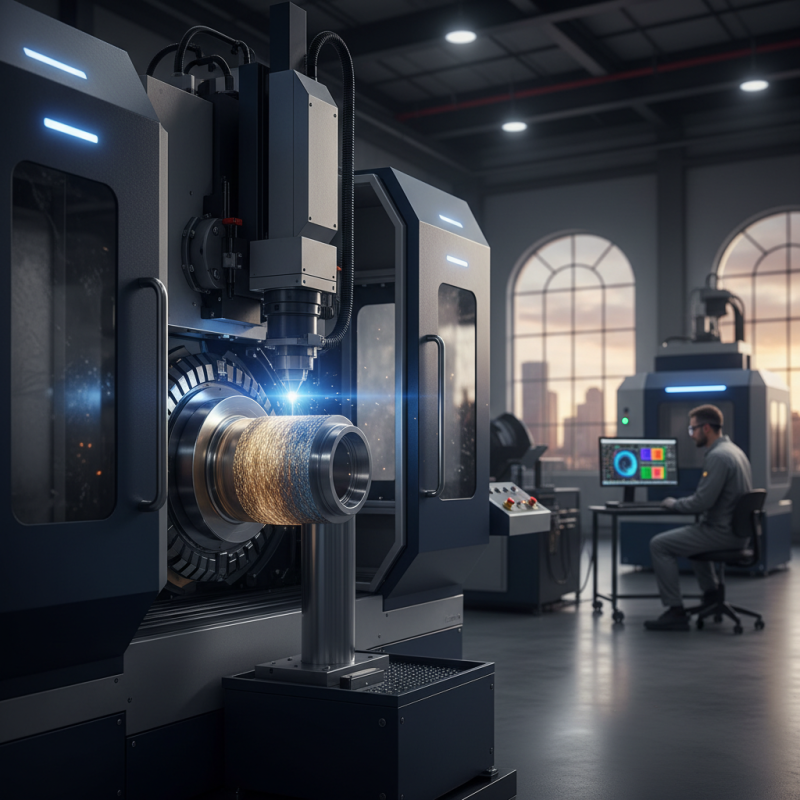
A laser cladding machine is an advanced technology used in surface engineering. It combines high-energy laser beams with powder or wire materials to create a durable layer on the surface of a workpiece. This process enhances wear resistance, corrosion resistance, and overall longevity of the part. It's widely used in industries like aerospace and automotive.
Tips: When selecting a machine, consider the type of materials you will be working with. Not all machines specialize in every type of metal or alloy. Also, make sure the machine can accommodate the required thickness of cladding.
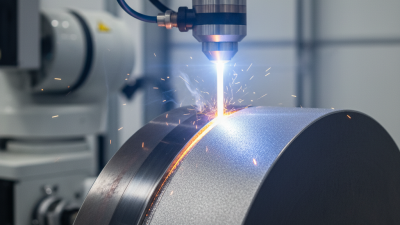
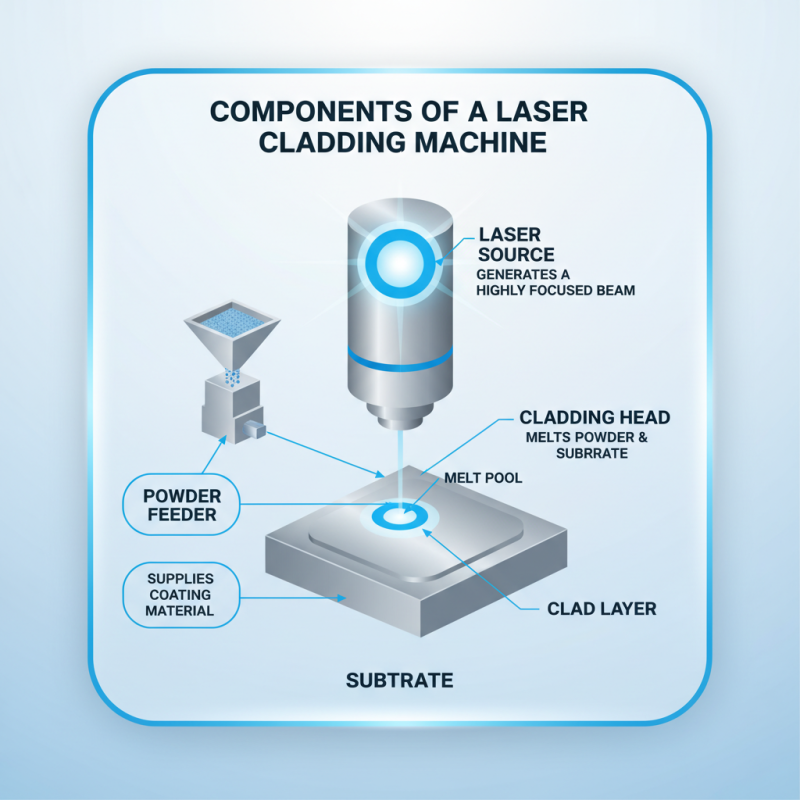
Understanding how a laser cladding machine operates is crucial. The machine focuses a precise laser beam onto the substrate, melting both the laser and the feed material simultaneously. The molten material then solidifies into a robust layer. It requires skilled operators to monitor the process closely.
Tips: Regular maintenance of the machine is vital for consistent quality. Clean lenses and check laser settings frequently. Operators should also train regularly to improve efficiency and troubleshoot issues.
What is a Laser Cladding Machine and How Does It Work?
| Feature |
Description |
| Definition |
A laser cladding machine utilizes high-intensity laser beams to melt and fuse materials onto a substrate. |
| Applications |
Used for surface hardening, repair, and the addition of features to existing equipment. |
| Materials Used |
Metals, alloys, ceramics, and composite materials can be used for cladding. |
| Benefits |
Enhanced wear resistance, corrosion resistance, and improved thermal properties. |
| Process |
The process involves melting the cladding material and substrate simultaneously, allowing for a strong bond. |
| Technology |
Typically incorporates CNC technology for precision and automation. |
The Principle of Laser Cladding Technology
Laser cladding technology applies focused laser energy to melt a metal powder or wire. This forms a strong layer on a substrate. The principle is relatively simple yet powerful. A laser heats the material, creating a molten pool. As it cools, it fuses with the substrate. The result is a high-quality surface enhancing wear resistance and corrosion protection.
Tips: Always ensure proper safety gear is used during the cladding process. Laser safety glasses are crucial to protect your eyes.
This technology allows precise control of the material's properties. However, inconsistencies can arise if the laser settings are incorrect. Factors like speed, temperature, and feed rate must be monitored closely. Adjusting these parameters can lead to better results.
Tips: Regularly calibrate your machine to maintain optimal performance. A well-maintained machine reduces errors and improves efficiency. Understanding the equipment is vital for troubleshooting.
The Laser Cladding Process Step-by-Step
Laser cladding is a precise process used to enhance the surface properties of materials. It involves applying a layer of material onto a substrate using a laser. The process begins with surface preparation. The substrate must be cleaned and sometimes preheated. This step is vital to ensure strong adhesion of the cladding material.
Next, the laser beam is focused on the surface. The intense heat from the laser melts both the substrate and the cladding powder, creating a molten pool. The cladding material then fuses with the substrate as it cools down. This step requires careful control of laser parameters. Any deviation can lead to defects. The thickness of the clad layer must also be monitored closely. Too thick may cause poor bonding.
Post-processing is equally important. Sanding or polishing may be needed to achieve the desired finish. Surface analysis should follow to check for any imperfections. It’s essential to learn from any flaws encountered during the process. Each attempt can provide insights, guiding improvements for future projects. Understanding these intricacies fosters better practices in laser cladding applications.
Laser Cladding Process Efficiency
Applications and Advantages of Laser Cladding
Laser cladding is increasingly popular in various industries due to its numerous applications and advantages. This technology involves applying a metal coating onto a substrate using a high-powered laser. The process is efficient and allows for precise control of the layer's thickness. In sectors like aerospace and automotive, laser cladding protects components from wear and corrosion. According to a report by MarketsandMarkets, the global laser cladding market is expected to reach USD 580 million by 2026, growing at a CAGR of 6.8%.
One major advantage of laser cladding is its ability to enhance component life. The cladding can reduce friction and wear, which is significant in industries that require durable materials. For example, laser-cladded surfaces in oil and gas have shown improved performance in harsh environments. Research indicates that cladded components can last up to 50% longer than untreated parts. However, challenges remain. The initial setup costs can be high, and process optimization is still a focus area.
Laser cladding also enables the repair of high-value components. Instead of replacing expensive parts, manufacturers can refurbish them through this technology. This approach not only saves costs but also benefits the environment by reducing waste. Yet, the integration of laser cladding into existing processes is not always seamless. Companies must invest time and resources to train personnel and adapt workflows. As industries strive for efficiency, the potential of laser cladding will likely continue to grow, albeit with challenges to address.