Top Uses of Laser Cladding Technology in Modern Industries?
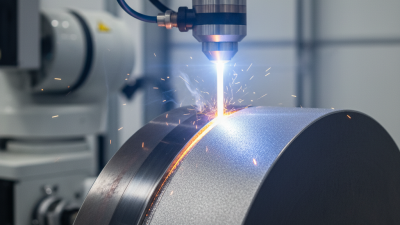
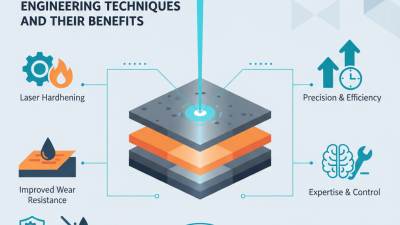
Laser Cladding has emerged as a pivotal technology in various modern industries. This innovative technique enhances the functionality of materials by applying a layer of protective metals or alloys. Industries are leveraging it for parts repair and surface enhancement, driving efficiency and performance.
Many companies utilize Laser Cladding to extend the lifespan of critical components. This process improves wear resistance and corrosion defenses. However, challenges exist, such as the need for precise control over parameters. Inadequate adjustments can lead to defects, impacting performance.
The impact of Laser Cladding can be significant. For aerospace, it reduces weight and enhances durability. In energy sectors, it maximizes the lifespan of turbines. Yet, not all applications are perfect. There’s a learning curve, and results can vary. Companies must analyze each use case carefully to achieve optimal outcomes.
Key Principles of Laser Cladding Technology and Its Mechanism
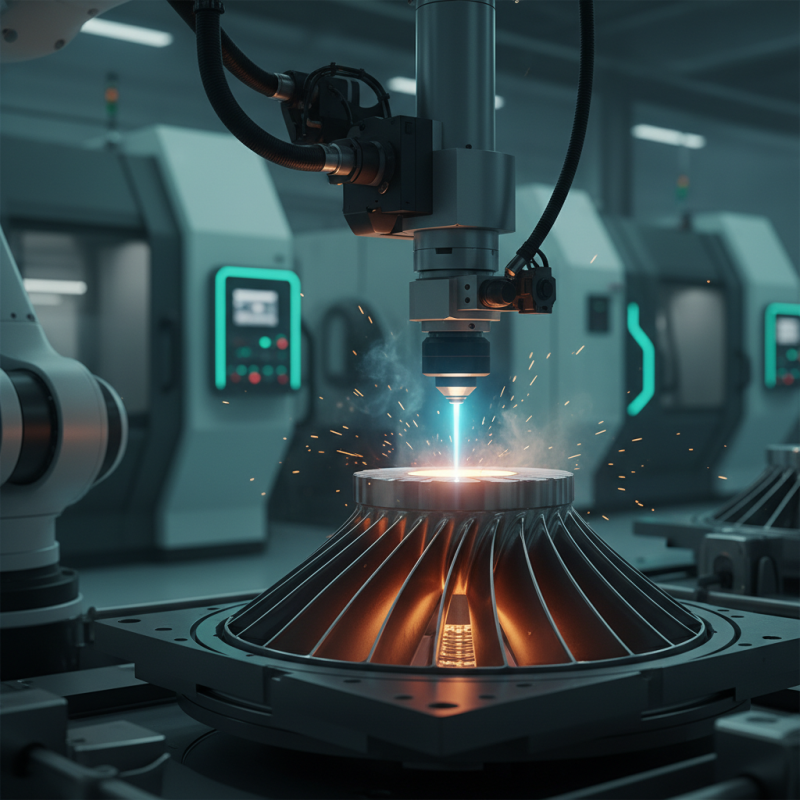
Laser cladding technology is critical in many industries. It involves melting material using a laser to create a coating. This process enhances surface properties. It improves wear resistance and corrosion protection. According to a report by MarketsandMarkets, the global laser cladding market is projected to reach $3.1 billion by 2025. Clearly, this technology is gaining traction.
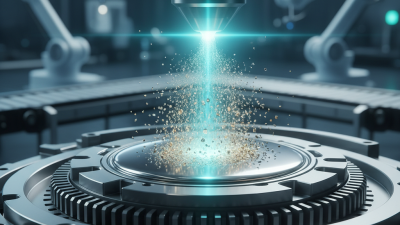
The mechanism relies on focused laser beams. They melt the substrate surface and the added powder simultaneously. This creates a strong bond. The result is a surface with superior durability. However, not all materials work well together. The choice of substrate and cladding materials is crucial. Some combinations lead to poor adhesion. This can result in micro-cracks and early failure.
Companies must conduct thorough testing. Parameters like laser power, feed rate, and scanning speed need optimization. A study indicated that adjusting these settings can increase the coating's density by 20%. Yet, industries still face challenges in achieving consistency. Missed specifications can lead to significant costs and waste. Continuous research and development are necessary to refine process control.
Applications of Laser Cladding in Aerospace and Aviation Industries
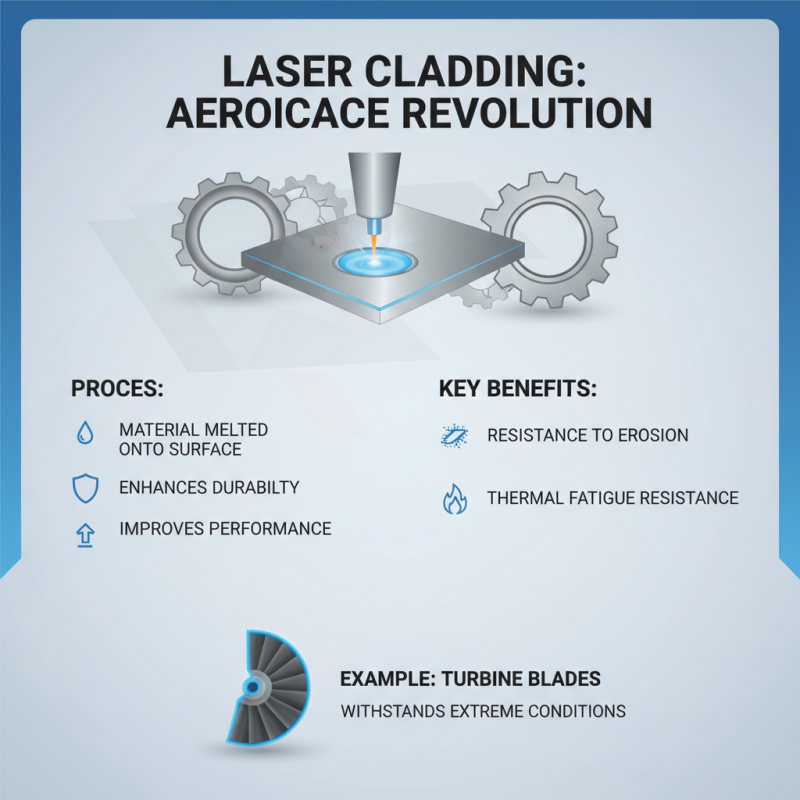
Laser cladding technology is transforming the aerospace and aviation industries. This process involves melting material onto a component’s surface, enhancing durability and performance. The result is components that can withstand extreme conditions. For instance, turbine blades benefit from this technique, gaining resistance to erosion and thermal fatigue.
Another significant application lies in repairing aging aircraft parts. Standard repair practices often fall short. Laser cladding offers a more effective solution, restoring components to their original specifications. The process can replace worn-out areas without compromising structural integrity. Although it is efficient, some challenges remain. Operators must fine-tune parameters carefully; otherwise, defects can occur.
Safety is paramount in aviation. Each cladded component must undergo rigorous testing. Even minor flaws can lead to serious consequences. Continuous advancements in laser cladding technology are necessary. As industries push towards longer-lasting, more resilient solutions, the drive for perfection is clear. The journey ahead is filled with learning opportunities and potential breakthroughs.
Utilization of Laser Cladding in Automotive Manufacturing Processes
Laser cladding is transforming automotive manufacturing. This technology applies a layer of material to a substrate. It enhances durability and performance. The process is precise and minimizes material waste. As manufacturers seek cost-effective solutions, laser cladding shines brightly.
In production lines, laser cladding can repair worn components. This reduces downtime and extends the life of critical parts. For instance, turbine blades often experience wear. Applying a new layer can restore their efficiency. However, the application requires skilled technicians. Mistakes can lead to costly reworks or failures.
The technology also allows for customized coatings. Different materials can be used to meet specific needs. Yet, matching the right cladding material with the base alloy is crucial. Misalignment could weaken components. Continual training and testing are necessary to ensure quality. Embracing laser cladding means both potential and challenges for the automotive industry.
Top Uses of Laser Cladding Technology in Automotive Manufacturing Processes
This chart illustrates the distribution of laser cladding technology usage across various automotive manufacturing processes, highlighting the significance of laser cladding in enhancing component longevity and performance.
Role of Laser Cladding in Oil and Gas Sector for Equipment Enhancement
Laser cladding technology is revolutionizing the oil and gas sector. It enhances the durability of equipment exposed to harsh conditions. With the continual wear and tear, traditional coatings often fail. Laser cladding provides a solution by applying a layer of metal onto equipment surfaces. This process increases resistance to corrosion and abrasion.
Equipment in oil and gas operations faces extreme pressures and temperatures. Laser cladding can significantly extend the lifespan of these critical components. For example, pumps and valves can be reinforced, reducing unexpected failures. However, this technology is not without its challenges. The precision required for successful application can be difficult to achieve. Operators must carefully assess each application to ensure optimal results.
The industry is adopting laser cladding at a growing rate, but there is still room for improvement. More research is necessary to refine techniques. Training for personnel is also essential. A well-executed laser cladding process can lead to significant cost savings. Yet, if not properly implemented, it may result in diminished performance. Continuous evaluation of methods will drive future advancements in this promising field.
Top Uses of Laser Cladding Technology in Modern Industries - Role of Laser Cladding in Oil and Gas Sector for Equipment Enhancement
| Application |
Benefits |
Material Used |
Impact on Equipment |
| Pipeline Repair |
Restores integrity and extends lifespan |
Stainless Steel, Nickel Alloys |
Reduces downtime and maintenance costs |
| Surface Hardening |
Improves wear resistance |
Cobalt-based Alloys |
Enhances operational efficiency |
| Wear Coatings |
Protects against corrosion and abrasion |
Tungsten Carbide, Chromium |
Increases component lifespan |
| Additive Manufacturing |
Enables complex geometries |
Various Titanium Alloys |
Reduces material waste |
| Component Repair |
Restores functionality |
Mild Steel, Alloy Steel |
Lower replacement costs |
Impact of Laser Cladding on Repair and Maintenance of Industrial Parts
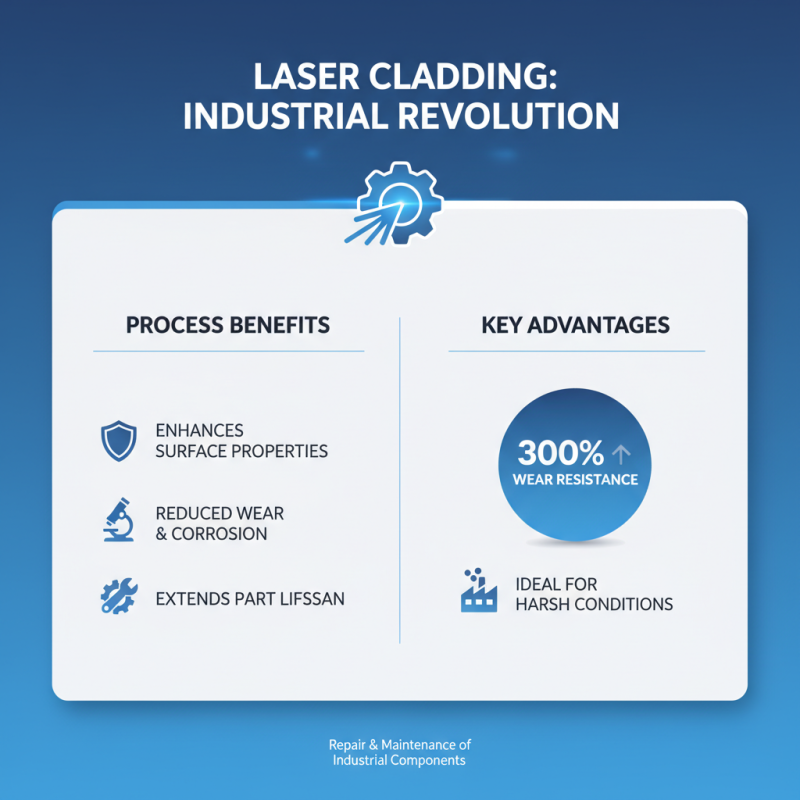
Laser cladding has revolutionized the repair and maintenance of industrial parts. This process enhances surface properties significantly. According to a recent industry report, laser cladding can improve wear resistance by up to 300%. This makes it ideal for components exposed to harsh conditions.
In industries like aerospace and automotive, maintenance costs can be exorbitant. A study showed that laser cladding can reduce repair costs by up to 50% compared to traditional methods. This technology allows for precise application of materials, ensuring minimal waste. Even so, some technicians struggle with the learning curve associated with operating laser systems.
Another challenge is ensuring uniform application of cladding material. Inconsistencies can lead to weak spots. Reports indicate that careful calibration is essential for optimal results. Despite these hurdles, the impact of laser cladding technology on industrial maintenance cannot be overstated. Its potential to extend the life of critical parts is significant.