Top 10 Powder Feeder Options for Global Buyers to Consider?
In today's manufacturing landscape, the choice of a Powder Feeder is critical. The global market for powder feeders is projected to grow at a CAGR of 5.2%, reaching $1.6 billion by 2025. This growth is driven by increasing demands in industries like pharmaceuticals and food production. A reliable Powder Feeder ensures precision in material handling, significantly influencing product quality.
Many buyers face challenges in selecting the right Powder Feeder. Factors such as feed rate, material compatibility, and system integration come into play. Reports indicate that 70% of buyers consider these features essential for production efficiency. Additionally, customer reviews often highlight technical support as a key consideration.
As we explore the top 10 Powder Feeder options, it’s essential to acknowledge that not every solution fits all needs. Each application is unique, prompting a need for thoughtful evaluation. Understanding the nuances can help prevent potential pitfalls in powder feeding operations.
Overview of Powder Feeders and Their Importance in Various Industries
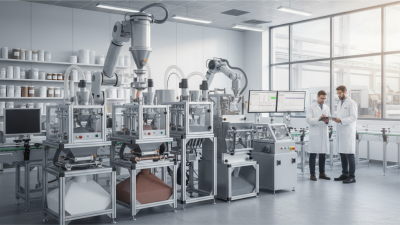
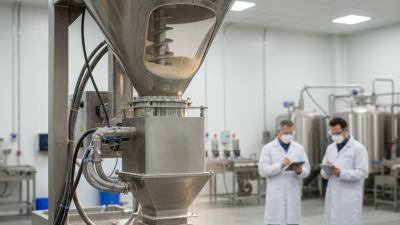
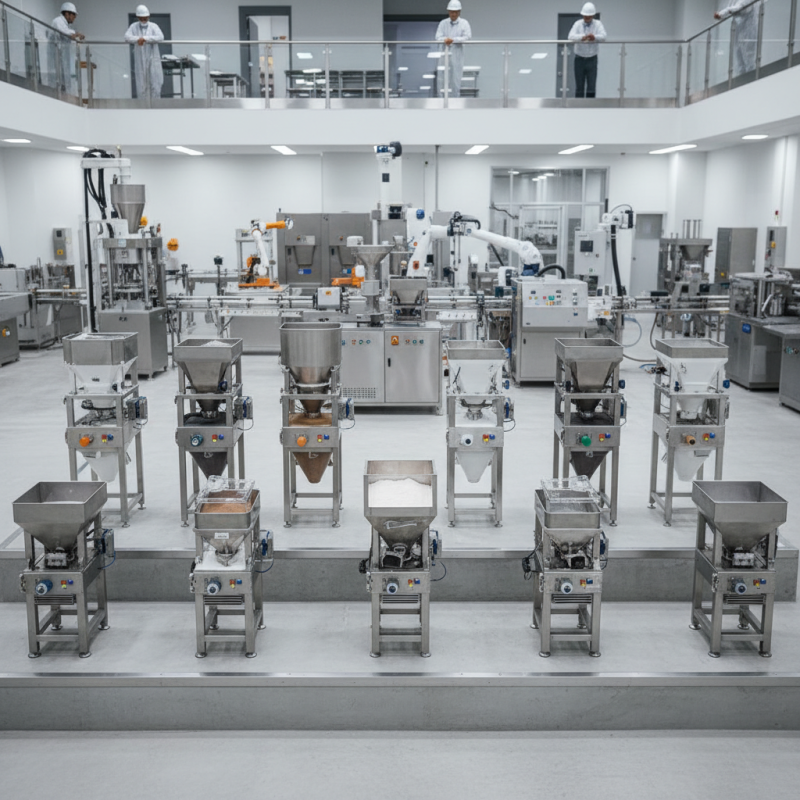
Powder feeders play a crucial role in various industries. They precisely dispense powdered materials, ensuring consistency in production processes. In food, pharmaceuticals, and plastics, these feeders contribute to quality control. Their importance cannot be overstated; even minor inconsistencies can lead to significant issues.
The design of powder feeders varies widely to accommodate different materials and processes. Some are simple volumetric feeders while others are highly complex gravimetric systems. Each type brings unique benefits and challenges. For instance, while gravimetric feeders offer high accuracy, they may be more susceptible to maintenance issues. On the other hand, volumetric feeders can be easier to operate but might lack precision.
Selecting the right powder feeder requires careful consideration. Factors include the type of powder, required accuracy, and production scale. Engaging with industry experts can provide insights into choosing the best solution. However, buyers should also be aware of potential drawbacks. Some systems may not perform well with certain materials. It's essential to evaluate specific needs and limitations before making a purchase decision.
Key Features to Look for When Selecting a Powder Feeder
When selecting a powder feeder, several key features should be considered. Precision is crucial. Look for feeders with adjustable flow rates. This allows you to fine-tune the powder delivery for various applications. Accurate measurement reduces waste and improves product consistency. A design that supports easy calibration is essential for maintaining accuracy over time.
Another important aspect is the feeder's compatibility with different powders. Some powders are more prone to clumping or flow issues. Ensure the feeder is designed to handle a variety of powder types. This flexibility can significantly enhance production efficiency. Additionally, consider the feeder's maintenance requirements. A user-friendly design that simplifies cleaning will save time and effort in the long run.
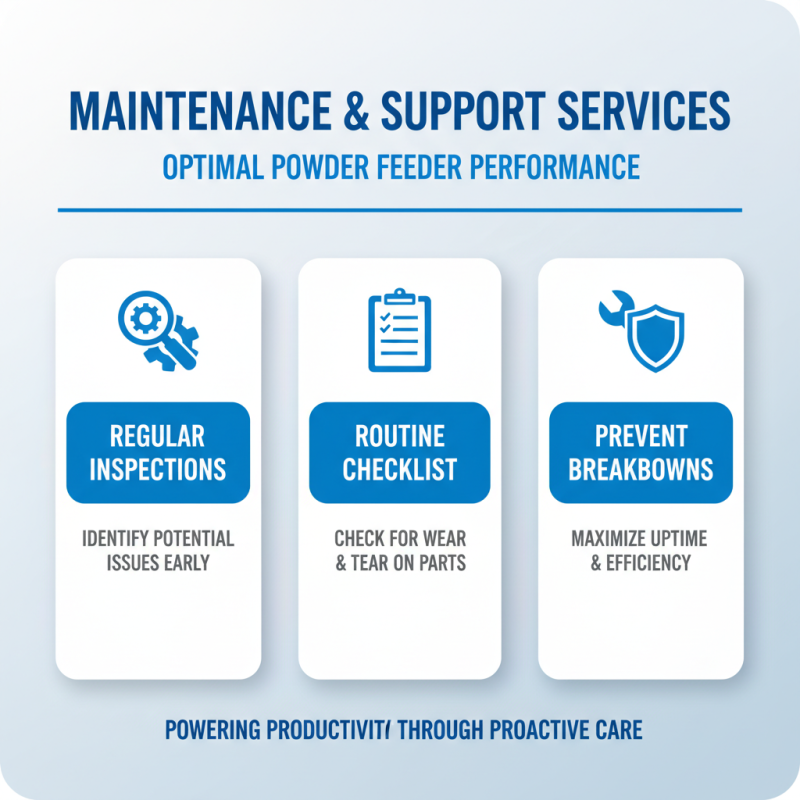
Durability is also a critical factor to ponder. The materials used should withstand regular use and harsh environments. However, keep in mind that even the most robust systems can fail. Regular inspections and maintenance are necessary to ensure optimal performance. A balance between durability and usability can lead to fewer breakdowns and better reliability in the workplace.
Top 10 Powder Feeder Options
Comparison of Leading Powder Feeder Brands and Models
Choosing the right powder feeder involves understanding its precision and material compatibility. Effective feeders control powder flow to ensure consistent output in manufacturing processes. High accuracy reduces waste and boosts production efficiency. Some models use screw mechanisms, while others utilize vibratory systems. Each design suits different powder characteristics, such as particle size and moisture content. However, choosing without testing can lead to issues like clogging or uneven feeding.
Durability and maintenance frequency also influence long-term performance. Feeders with robust construction and easy disassembly save time during cleaning and repairs. Operators often face challenges balancing feed rate stability and operational noise. Some feeders excel in low noise but require more upkeep, while others offer simplicity but may lack finer control. Evaluating user feedback and technical specifications helps identify suitable options but does not guarantee flawless operation.
Integration with existing equipment is another key factor. Feeders with adaptable interfaces facilitate smoother workflow and reduce setup time. Yet, mismatches in control systems can cause synchronization problems. Technical support and availability of spare parts often determine the reliability of powder feeders in critical applications. Despite advances, no single model perfectly fits all scenarios, making ongoing assessment and customization necessary.
Top 10 Powder Feeder Options for Global Buyers to Consider
| Model |
Feeding Capacity (kg/h) |
Hopper Volume (liters) |
Power Consumption (kW) |
Weight (kg) |
Price Range (USD) |
| Model A |
200 |
100 |
1.5 |
50 |
5000-7000 |
| Model B |
250 |
120 |
2.0 |
55 |
7000-9000 |
| Model C |
180 |
90 |
1.2 |
45 |
4500-6500 |
| Model D |
300 |
130 |
2.5 |
60 |
8000-10000 |
| Model E |
220 |
110 |
1.8 |
52 |
6000-8000 |
| Model F |
280 |
140 |
2.2 |
70 |
9000-11000 |
| Model G |
150 |
80 |
1.0 |
40 |
3500-5500 |
| Model H |
320 |
150 |
2.8 |
75 |
9500-11500 |
| Model I |
240 |
115 |
1.7 |
65 |
7000-9000 |
| Model J |
190 |
95 |
1.3 |
44 |
4600-6600 |
Cost Considerations and Budgeting for Powder Feeders
When considering powder feeders, cost is a major factor. Budgeting starts with understanding the initial purchase price and ongoing operational costs. Many powder feeders vary in price based on their design, capacity, and technology used. It’s important to evaluate the total cost of ownership, including maintenance and potential repairs. This often eclipses the upfront costs.
Tips: Look for models that offer warranties. This can save money on unexpected repairs. Assess the energy efficiency of your options. More efficient machines can significantly lower your utility bills over time.
Another key aspect is the balance between cost and features. A cheaper model might lack essential features, leading to inefficiencies. Investing in slightly more expensive, reliable options may reduce downtime and enhance productivity. Always analyze your specific needs before deciding.
Tips: Gather feedback from existing users. Their insights might highlight flaws in specific models. Consider consulting with industry experts for tailored advice. They can offer valuable perspectives on what truly impacts performance and costs. Remember, well-informed choices lead to better long-term outcomes.