Top 10 Laser Surface Preparation Techniques for Global Buyers?
In today's competitive manufacturing landscape, "Laser Surface Preparation" has emerged as a pivotal technique for enhancing product performance. Experts like Dr. Emily Smith, a leading authority in laser technology, state, "Efficient surface preparation is crucial for optimal adhesion and durability." This insight frames the growing significance of laser applications in various industries.
Laser Surface Preparation offers precision and versatility. The technique uses focused laser beams to clean and modify surfaces efficiently. This method can remove contaminants, improve bonding, and promote surface characteristics. Industries from aerospace to automotive are increasingly adopting these technologies. However, the choice of technique can be overwhelming for global buyers. Consideration of factors like material type, desired surface property, and production scale is essential.
Despite its advantages, challenges exist. The initial investment in laser systems can be significant. Additionally, the required expertise to operate these systems complicates implementation. As the field evolves, continuous learning and adaptation are vital. Exploring the top ten techniques in Laser Surface Preparation can guide buyers toward informed, strategic decisions tailored to their priorities.
Overview of Laser Surface Preparation Techniques
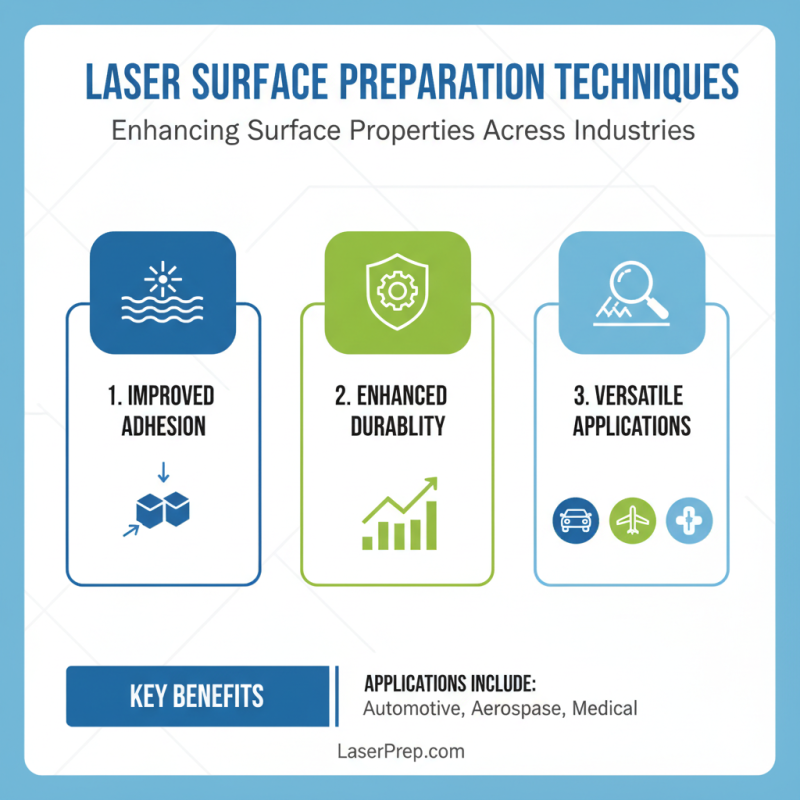
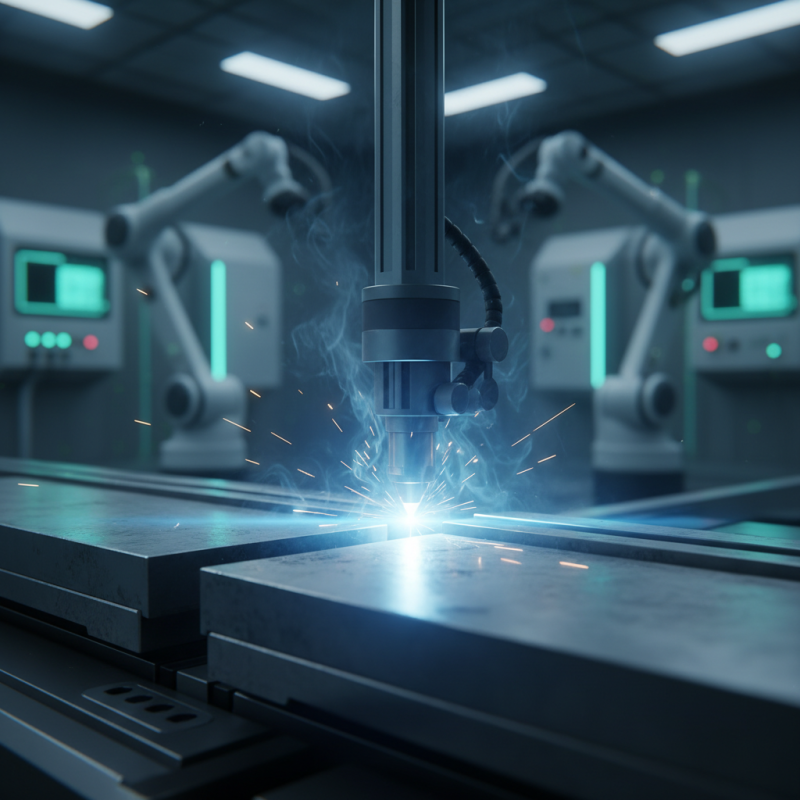
Laser surface preparation techniques are gaining traction across industries. These methods enhance surface properties, improving adhesion, durability, and overall performance. Various techniques cater to specific needs, ensuring versatility in applications.
One common method is laser ablation, which removes contaminants precisely. It allows targeted treatment without damaging underlying materials. Another notable technique is laser cleaning, effectively removing rust, paint, and oxides. It’s eco-friendly, reducing chemical waste.
However, the selection process is complex. Different laser parameters impact results. Users often find themselves questioning their choices, wondering if they picked the right approach. Exploring various methods can be beneficial, but some may require multiple trials to achieve optimal outcomes. Understanding the nuances of each technique is crucial to ensure efficacy.
Criteria for Selecting Laser Surface Preparation Methods
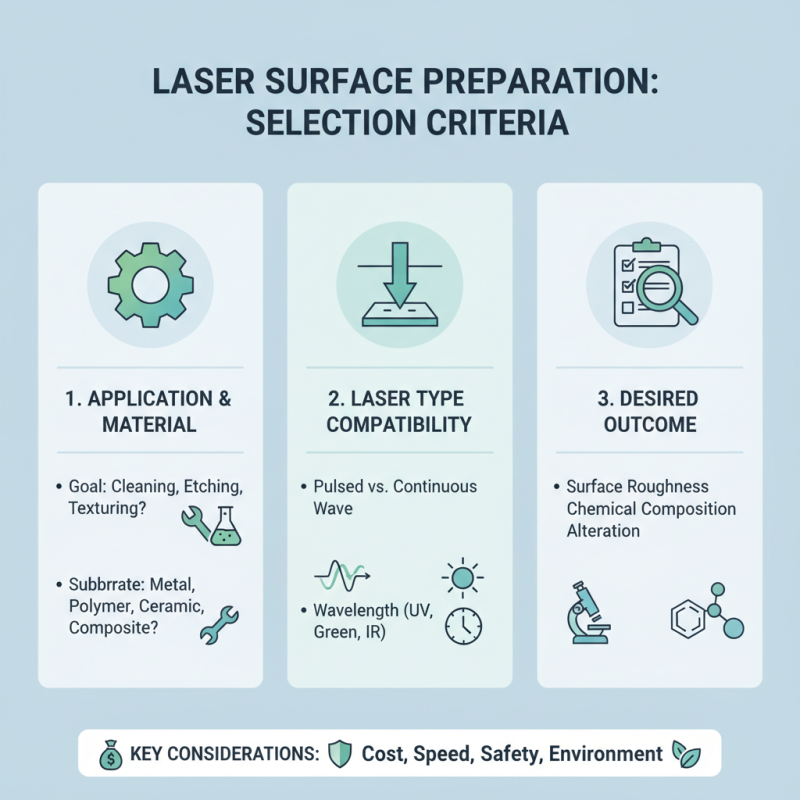
Selecting the right laser surface preparation method requires careful consideration. It's crucial to assess the specific application and the material involved. Different techniques yield varying results based on these factors. For example, some methods work well on metals, while others excel with polymers. Understanding the compatibility of laser types is essential.
Next, evaluating the desired outcome plays a key role. Factors like surface roughness and cleanliness influence selection. Certain applications demand high precision, while others focus on speed. It’s important to weigh the importance of these factors against production schedules and costs.
Cost-effectiveness is another vital criterion. Investing in sophisticated laser systems may seem wise, but long-term maintenance must be evaluated. Undoubtedly, the learning curve associated with advanced techniques might also present challenges. Balancing effectiveness with operational complexity is a continuous reflection for global buyers. Each method's pros and cons need careful analysis.
Comparative Analysis of Top Laser Techniques
Laser surface preparation techniques are critical in various industries, influencing product quality and efficiency. Notably, a recent industry report highlighted that over 50% of manufacturers are adopting laser methods for superior results. These techniques offer precision and reduce waste effectively. An analysis of laser ablation, for instance, reveals its capability to remove coatings without damaging the substrate underneath. This is vital in sectors where material integrity is paramount.
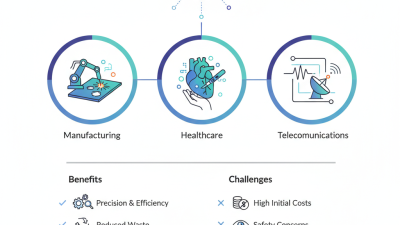
Moreover, the report presents a comparative analysis of techniques like laser cleaning vs. mechanical methods. Laser cleaning demonstrates 30% higher efficiency in specific applications. However, initial costs can be a concern. Companies must weigh these costs against long-term savings and environmental benefits. One challenge with laser techniques is the need for trained personnel. Without proper training, the risk of improper application increases, impacting the desired outcomes.
Despite these challenges, organizations that invest in training can unlock significant advantages. The data shows that companies utilizing advanced laser techniques see a 40% reduction in downtime. This aligns with the trend towards sustainable practices, reducing overall resource consumption. Yet, there remains a gap in understanding these technologies fully, calling for ongoing research and knowledge sharing.
Top 10 Laser Surface Preparation Techniques for Global Buyers
| Technique |
Efficiency (%) |
Cost ($/m²) |
Typical Applications |
Advantages |
| Laser Abrasion |
85 |
15 |
Metal Surface Cleaning |
High precision, environmentally friendly |
| Laser Etching |
90 |
20 |
Decorative and functional markings |
High detail, quick processing |
| Laser Cleaning |
75 |
10 |
Rust and residue removal |
No chemicals, minimal waste |
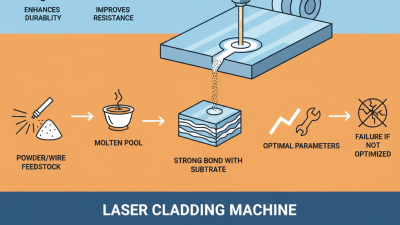
| Laser Cladding |
80 |
30 |
Wear resistant coatings |
Enhanced durability, reduced material waste |
| Laser Micromachining |
95 |
50 |
Complex geometries on small parts |
High precision, adaptability |
| Laser Annealing |
70 |
25 |
Metal hardening |
Improved material properties |
| Laser Drilling |
82 |
40 |
Fuel injection nozzles |
Small hole diameter, minimal thermal impact |
| Laser Polishing |
88 |
35 |
Surface finish improvement |
Enhanced aesthetics, reduced friction |
| Laser Scribing |
89 |
22 |
Glass and ceramics |
High speed, minimal material loss |
| Laser Fusion Cutting |
94 |
60 |
Thick materials cutting |
Versatile, fast processing |
Applications of Laser Surface Preparation in Various Industries
Laser surface preparation is transforming various industries with its precision and efficiency. In automotive manufacturing, lasers are utilized to enhance adhesion on surfaces. This leads to stronger bonds for paints and coatings, increasing durability.
In aerospace, the technique improves the surface properties of components, ensuring higher resistance to corrosion and wear.
In the construction sector, laser technology prepares surfaces for better adhesion of sealants and adhesives. This enhances the lifespan of structures. The medical field also benefits from laser surface preparation. It is used to improve the biocompatibility of implants, ensuring they integrate better with human tissue.
Tips: Always consider the specific requirements of your application. Different materials react uniquely to laser treatments. Ensure proper safety measures are in place. Laser operations can pose risks if not handled correctly. Regular maintenance of laser equipment is crucial for optimal performance.
Future Trends in Laser Surface Preparation Technology
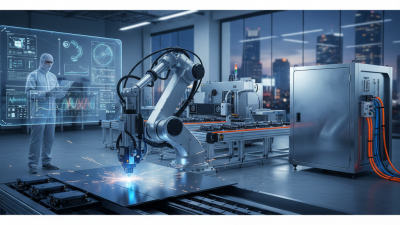
Laser surface preparation technology is rapidly evolving. As industries seek faster and more efficient methods, lasers are at the forefront. Companies are increasingly adopting these advanced techniques for their precision and versatility. New trends indicate a shift towards automation. Automated laser systems help improve consistency and reduce human error. This makes the preparation process quicker and more reliable.
Sustainability is another focal point. Laser technologies consume less energy compared to traditional methods. This aligns with global efforts to reduce carbon footprints. However, challenges remain. The initial investment for laser systems can be high. Not all organizations have the resources to implement these technologies effectively. Moreover, continuous training is essential to keep up with advancements. Operators must understand the intricacies of laser settings for optimal results.
Emerging applications showcase exciting possibilities. From medical device manufacturing to automotive parts, lasers can create tailored surface properties. Nonetheless, the industry must address integration issues. Each sector has unique requirements that demand specific solutions. Innovation is needed to ensure lasers adapt seamlessly to diverse environments. This will define the future of laser surface preparation technology.