Top 10 Laser Heads for Optimal Cutting and Engraving Solutions?
In the world of laser cutting and engraving, choosing the right Laser Heads is crucial. These components dramatically influence the quality and precision of your projects. With numerous options available, identifying the best laser heads can be daunting. It's essential to consider factors like power, material compatibility, and design.
Many users overlook the impact that different laser heads can have on their workflow. A suitable Laser Head can enhance operational efficiency and achieve finer details. However, not all laser heads are created equal. Some may promise high performance but fail to deliver in real-world applications.
Educating oneself about the various features of laser heads is vital. Rely on expert reviews and user feedback to guide your decision. A good Laser Head should offer reliability and exceptional support for your cutting and engraving needs. Remember, the right choice can lead to remarkable results, while the wrong one may cause frustration and wasted resources.
Overview of Laser Head Technologies for Cutting and Engraving
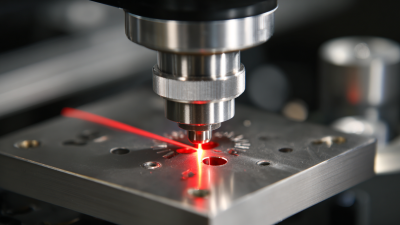
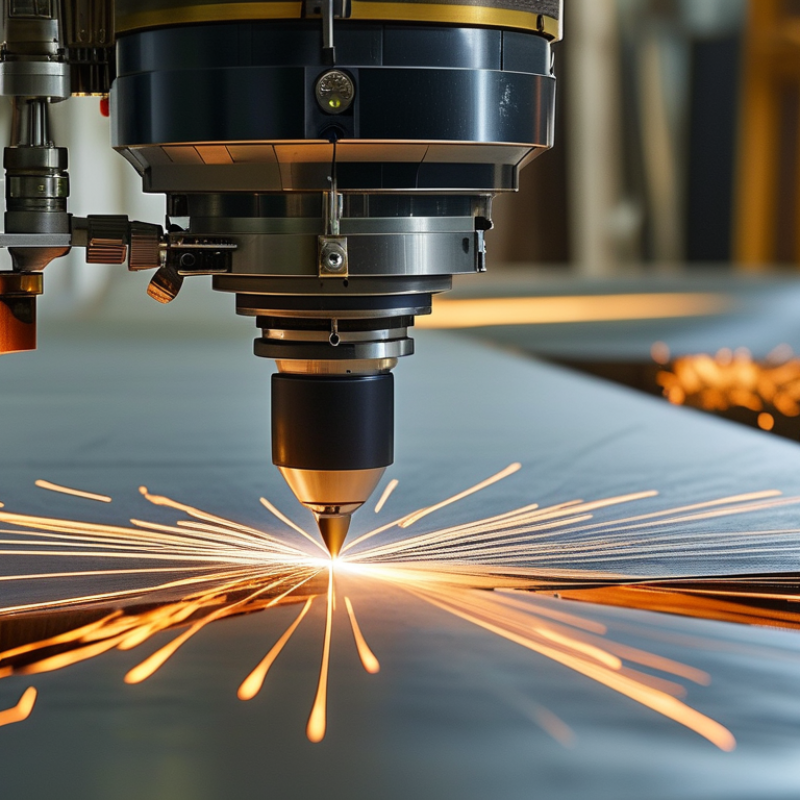
Laser head technology plays a crucial role in cutting and engraving. Different types of laser heads are suited for various materials. For instance, CO2 laser heads excel at cutting wood and acrylic, while fiber laser heads are better for metals. Each laser head is designed with specific optics, which affects cutting speed and precision.
The choice of lens impacts the focus and power density of the beam. A shorter focal length lens can enhance detail in engraving but may require a more stable setup. Users often overlook the importance of alignment, affecting the quality of the final product. Testing different setups can lead to unexpected results and improvements.
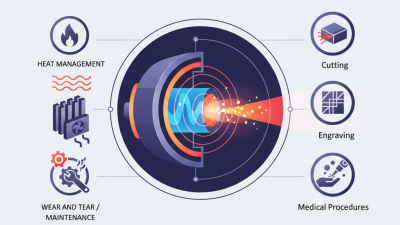
It's vital to consider cooling systems for laser heads. An efficient cooling system can prolong the lifespan of the equipment. However, users may struggle with maintenance, leading to performance issues. Regular check-ups and adjustments improve reliability. Understanding these factors can enhance cutting and engraving quality while minimizing errors in the process.
Key Features to Consider When Choosing a Laser Head
Choosing the right laser head for cutting and engraving is crucial. Several key features deserve attention. Power density plays a significant role. Higher power densities lead to faster cutting speeds. Material compatibility is another vital factor. Different materials require specific laser head types for optimal results.
Focusing optics impact beam quality. A well-focused beam ensures precision in intricate designs. Additionally, airflow design is essential. It removes debris during cutting, enhancing both quality and safety.
Consideration for cooling systems cannot be overlooked. Effective cooling prevents overheating, ensuring long-term functionality. Range of motion and size can also affect usability. A well-designed laser head should provide versatility across various applications. Don’t rush this decision. Testing different heads can yield surprising insights. Every choice shapes project outcomes.
Top 10 Laser Heads: Performance and Reliability Comparison
When choosing a laser head for optimal cutting and engraving, performance and reliability are crucial. A laser head's ability to deliver consistent results greatly impacts the quality of your projects. Key features like beam quality, focusing capability, and cooling systems can enhance cutting precision. Evaluating these aspects can reveal strengths and weaknesses of various laser heads.
Testing laser heads under different conditions is essential. Some may excel at cutting through thicker materials but struggle with finer engravings. Other models might produce cleaner edges yet lack durability during prolonged use. User feedback highlights these variances. Consider practical experiences shared by others to find a suitable match for your requirements.
Maintenance plays a significant role in reliability. Some heads demand regular cleaning or alignment adjustments, while others require minimal upkeep. Choosing a laser head that aligns with your maintenance capabilities is vital. This can prevent frustration and delays in projects. As you explore options, reflect on past choices and their outcomes to guide your decision-making.
Applications of Laser Heads in Various Industries
Laser heads have transformed various industries by enhancing precision and efficiency in cutting and engraving. In manufacturing, they allow for intricate designs on metals, wood, and plastics. This versatility leads to cleaner edges and reduced waste. Their application in the automotive industry is notable. Laser heads create complex parts quickly, improving production times while maintaining high accuracy.
In the fashion industry, laser engraving is popular for textile designs. Fabrics can be cut or engraved with elaborate patterns without fraying. This process opens new avenues for creativity in custom apparel. However, working with different materials poses challenges. Each material requires specific laser settings to achieve optimal results.
The medical field also benefits from laser technology. Surgical instruments made of stainless steel can be marked for identification easily. However, there is a learning curve involved. Understanding how different laser heads interact with various substrates is essential. Continuous testing and adjustments are necessary for the best outcomes. These examples highlight the importance of adapting laser technology to specific needs across industries.
Future Trends in Laser Cutting and Engraving Technology
The world of laser cutting and engraving is rapidly evolving. As technology improves, the precision and efficiency of these processes continue to advance. New laser head designs are emerging, offering enhanced capabilities for various materials. This allows businesses to achieve intricate designs and cuts with ease. However, adapting to these innovations requires continuous learning.
Future trends indicate a move towards automation and smart technology. Integrating AI and machine learning can help refine the cutting processes. This leads to better quality and reduced waste. Yet, not every organization is equipped to leverage these advancements. There are challenges in training staff and updating equipment. Companies must consider their readiness for these shifts.
Sustainability is becoming a significant focus in laser technology. Innovative solutions aim to minimize energy consumption while maximizing output. Nonetheless, implementing more green practices can be costly. Organizations may need to evaluate their investment capabilities. As they navigate the future, balancing quality, innovation, and sustainability will be crucial.