Leave Your Message

Essential Tips for Understanding Metallurgical Bonding Cladding?

Understanding Metallurgical Bonding Cladding is essential in various industries. This process involves joining different metals, creating strong and durable layers. Metallurgical Bonding Cladding is often used in applications where corrosion resistance is critical.

When exploring this topic, one must consider the methods of bonding. Different techniques exist, such as diffusion bonding and explosive cladding. Each method has its advantages and challenges. For example, diffusion bonding requires precise temperature control, which can be difficult.

Additionally, the choice of materials plays a crucial role. Compatibility between metals affects the bonding quality. This raises questions about the long-term performance of the bond. Understanding the underlying concepts is vital. It helps in making informed decisions in manufacturing processes. As you dive deeper into Metallurgical Bonding Cladding, reflect on the potential pitfalls and areas for improvement in your approach.
Essential Tips for Understanding Metallurgical Bonding Cladding?

Overview of Metallurgical Bonding in Cladding Applications

Essential Tips for Understanding Metallurgical Bonding Cladding?

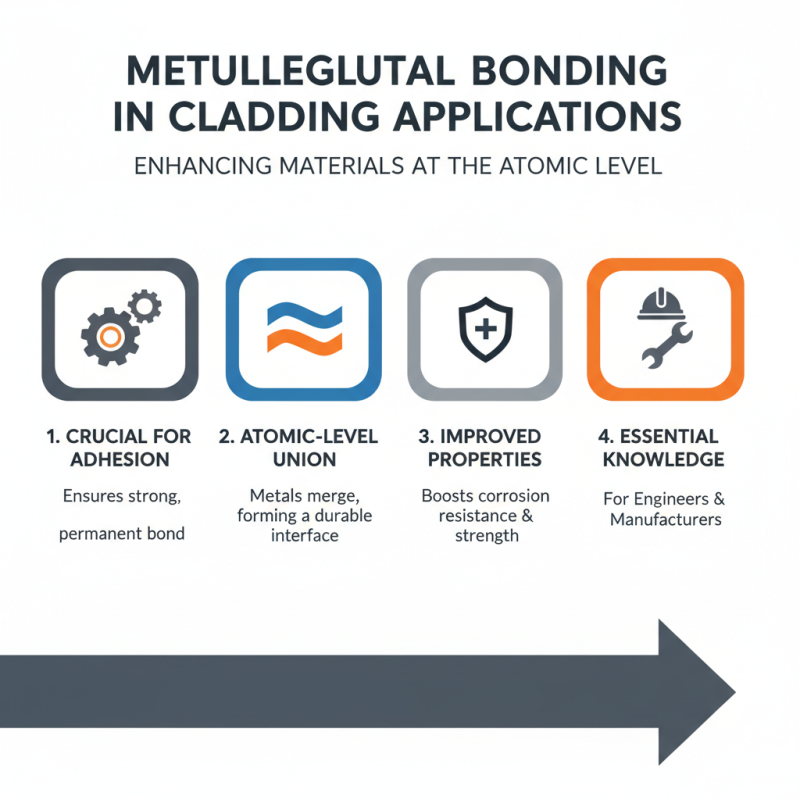
Metallurgical bonding is crucial in cladding applications. It ensures strong adhesion between different materials. This method enhances properties, like corrosion resistance and strength. When two metals bond at the atomic level, it creates a durable interface. Understanding how this process works is essential for engineers and manufacturers.

Heat and pressure play significant roles in creating successful metallurgical bonds. Different techniques, such as welding and diffusion bonding, can be utilized. Each method has its advantages and challenges. Sometimes the bond may not be as strong as expected. Assessing factors like temperature and material compatibility is vital. Overlooking these details can lead to failures in the final product.

Surface preparation is another key aspect. Clean and well-prepared surfaces allow for better bonding. Contaminants can weaken the bond, leading to potential issues later. It’s essential to be meticulous in this area. A little oversight can result in significant problems. Proper training and knowledge are necessary for achieving optimal results in metallurgical bonding for cladding applications.


Key Materials Used in Metallurgical Bonding Process

Metallurgical bonding cladding is a fascinating process that involves several key materials. The choice of metals is crucial for successful bonding. Commonly used materials include aluminum, copper, and stainless steel. Each of these metals has its unique properties, influencing the bond's strength and durability.

Aluminum is lightweight and offers excellent corrosion resistance. However, it requires precise control during bonding to avoid defects. Copper, on the other hand, boasts high thermal and electrical conductivity. This quality is beneficial but can lead to oxidation issues if not managed properly. Stainless steel combines strength and resistance to rust, making it a popular choice. Yet, the challenge lies in its higher cost and variable performance depending on the specific alloy used.

In addition, adhesion between these materials often poses challenges. Surface preparation steps are critical, yet often overlooked. Inadequate cleaning can lead to weak bonds. The expertise in dealing with various surface conditions is essential. Ignoring these details might result in significant failures down the line. Therefore, careful selection and preparation of materials are vital for creating a successful metallurgical bond.

Essential Tips for Understanding Metallurgical Bonding Cladding

Material Type Bonding Method Applications Advantages
Steel Cladding Construction, Automotive High strength, Cost-effective
Aluminum Explosion Bonding Aerospace, Marine Lightweight, Corrosion-resistant
Copper Diffusion Bonding Electronics, Power Transmission Excellent conductivity, Durable
Nickel Laser Bonding Chemical Processing, Oil & Gas High-temperature resistance, Versatile

Principles of Metallurgical Bonding Mechanisms

Essential Tips for Understanding Metallurgical Bonding Cladding?

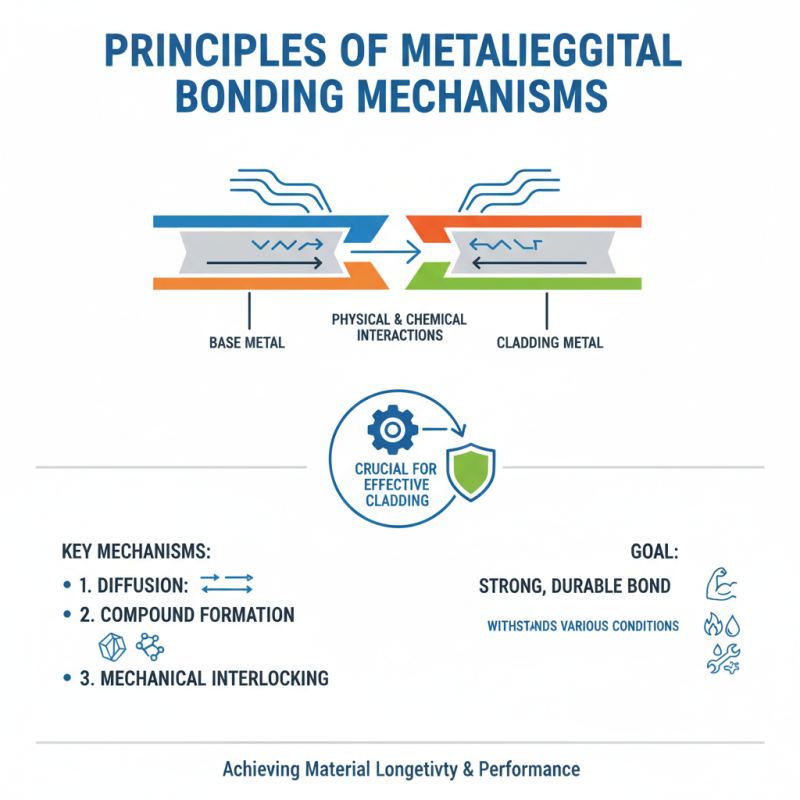
Understanding metallurgical bonding mechanisms is crucial for effective cladding techniques. This process involves the physical and chemical interactions between metals. The main goal is to achieve a strong, durable bond that withstands various conditions.

One key aspect is surface preparation. Clean, oxidation-free surfaces enhance bonding. Using abrasive methods can remove contaminants. However, improper techniques may damage the base metals. It’s vital to strike a balance between cleanliness and the integrity of the materials. The right temperature during bonding also matters. Too high can lead to excessive diffusion, weakening the joint.

Heat treatment plays a significant role in metallurgical bonding. It affects hardness and structure. However, achieving the ideal parameters can be tricky. Overheating can result in brittleness, while insufficient heat may yield a weak bond. Understanding these intricacies requires experience and careful monitoring. Each project's unique challenges must be assessed individually. Exploring these factors can lead to better outcomes and continual improvement.

Techniques for Achieving Strong Metallurgical Bonds

Metallurgical bonding in cladding is an essential process for achieving durability and performance. The key lies in selecting compatible materials that can create strong bonds. For instance, working with metals that have similar thermal expansion rates improves bonding. Mistakes often occur when there is a mismatch in these properties, leading to weak points.


Proper surface preparation is vital. Clean surfaces free of contaminants ensure better adhesion. Using methods like sandblasting or chemical cleaning can enhance this step. However, many overlook this detail, resulting in poor bond quality. It's essential to find a balance between surface roughness and cleanliness.


Heat treatment also plays a critical role. By carefully controlling the temperature, metallurgists can optimize the bond formation. Too much heat can create undesirable phases, compromising strength. It's crucial to monitor heat application closely, as small deviations can lead to significant issues. Learning from these experiences can make a substantial difference in achieving robust metallurgical bonds.

Common Challenges and Solutions in Metallurgical Bonding Cladding

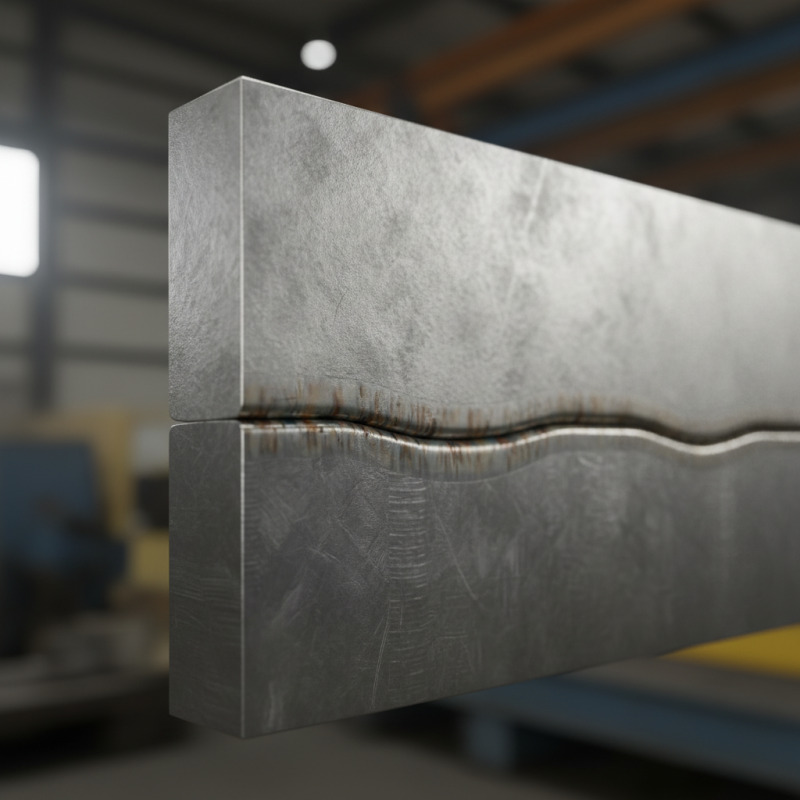
Metallurgical bonding cladding presents unique challenges in manufacturing processes. Defects such as poor adhesion, porosity, and inclusions can compromise the integrity of the cladded materials. According to a recent industry report, nearly 30% of metallurgical cladding projects face adhesion issues. These issues often stem from inadequate surface preparation or improper temperature control during bonding.

One effective solution is to optimize surface conditions. Proper cleaning and roughening can significantly enhance bond quality. Another tip is to monitor temperature closely. Deviations can lead to undesirable phase changes, impacting the bond strength. Research shows that adjusting temperature within a narrow range can improve adhesion by up to 15%.

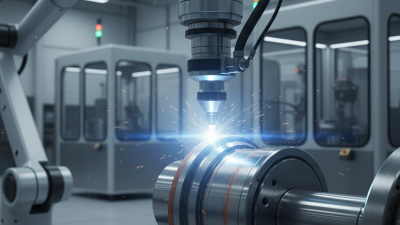
Moreover, addressing porosity is critical. Advanced techniques like laser cladding show promise in reducing void formation. This method ensures a more uniform distribution of materials. Implementing rigorous quality checks during production helps identify problems early. Some defects may still emerge in the final product. Acknowledging this possibility drives continuous improvement. Each iteration teaches valuable lessons in the fight against metallurgical challenges.

Understanding Challenges in Metallurgical Bonding Cladding