How to Optimize Cladding Operation for Better Energy Efficiency
In today's world, energy efficiency is a pressing concern. One of the key areas where efficiency can be improved is in Cladding Operation. Proper cladding plays a significant role in a building's thermal performance. By optimizing Cladding Operation, we can greatly reduce energy consumption.
The impact of poor cladding is often overlooked. Gaps and inefficiencies can lead to higher heating and cooling costs. Many buildings suffer from inadequate insulation and air leakage. This not only wastes energy but also compromises comfort. It's essential to critically assess existing cladding systems.
Addressing these challenges requires a thoughtful approach. Consider materials that enhance insulation. Reflective coatings can minimize heat absorption. Regular maintenance is vital, as even minor damage can lead to significant losses. Reflecting on how we manage Cladding Operation can lead to meaningful improvements.
Understanding Cladding Systems and Their Role in Energy Efficiency
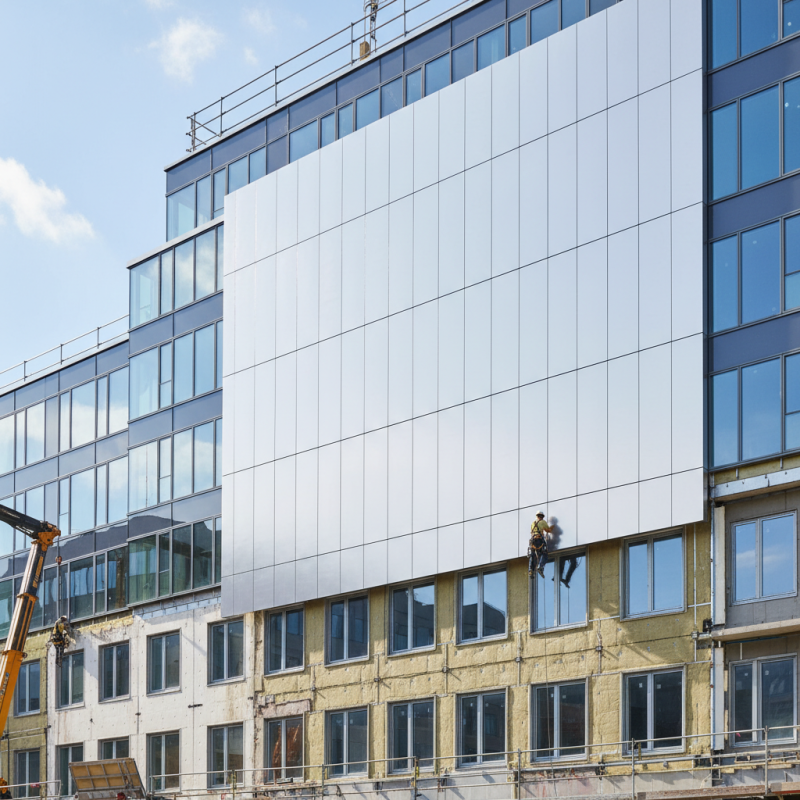
Cladding systems play a critical role in energy efficiency for buildings. They serve as the outer layer, protecting structures from environmental elements while enhancing aesthetics. Good cladding can reduce thermal bridges, thereby lowering energy consumption. In colder climates, continuous insulation is vital for minimizing heat loss. In warmer regions, reflective materials can help reduce cooling costs.
However, not all cladding materials are created equal. Some designs may trap moisture, leading to mold and decay. This can impair energy efficiency over time. Additionally, the installation of cladding must be meticulous. Poor installation can create gaps, allowing air leakage. Regular maintenance is essential to address these issues before they escalate.
Choosing the right cladding system requires careful consideration. Natural materials, such as wood, offer charm but may have higher maintenance needs. Synthetic options like vinyl are low-maintenance but can lack character. A well thought out balance is necessary. Engaging with energy efficiency experts can provide insights. Ultimately, understanding how cladding works can lead to better energy-efficient solutions.
Energy Efficiency of Different Cladding Materials
Assessing Current Cladding Performance for Optimization Opportunities
Assessing the current performance of cladding is vital for identifying optimization opportunities. Start by evaluating the insulation properties of existing materials. Check for gaps or degradation that allows heat loss. Use thermal imaging to detect hotspots and cold drafts. This can reveal weaknesses in the cladding system that need addressing.
Next, consider the airflow around the building. Poor ventilation can lead to moisture buildup and mold. Inspect areas where cladding meets other materials. Ensure there are no barriers that hinder airflow. Test the cladding system’s resistance to external weather conditions. Extreme weather can reveal flaws that compromise energy efficiency. Collect data and feedback from occupants about comfort levels.
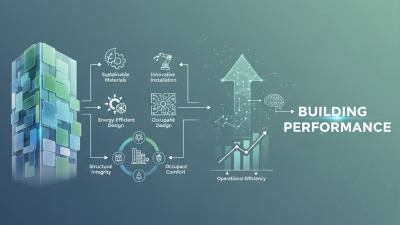
Reflecting on this assessment is crucial. Identify patterns or recurring issues that might not be immediately apparent. Look at alternative materials or construction techniques for potential improvements. Each step in optimizing cladding serves to enhance overall building performance, leading to significant energy savings over time.
Key Materials and Technologies for Enhanced Cladding Energy Efficiency
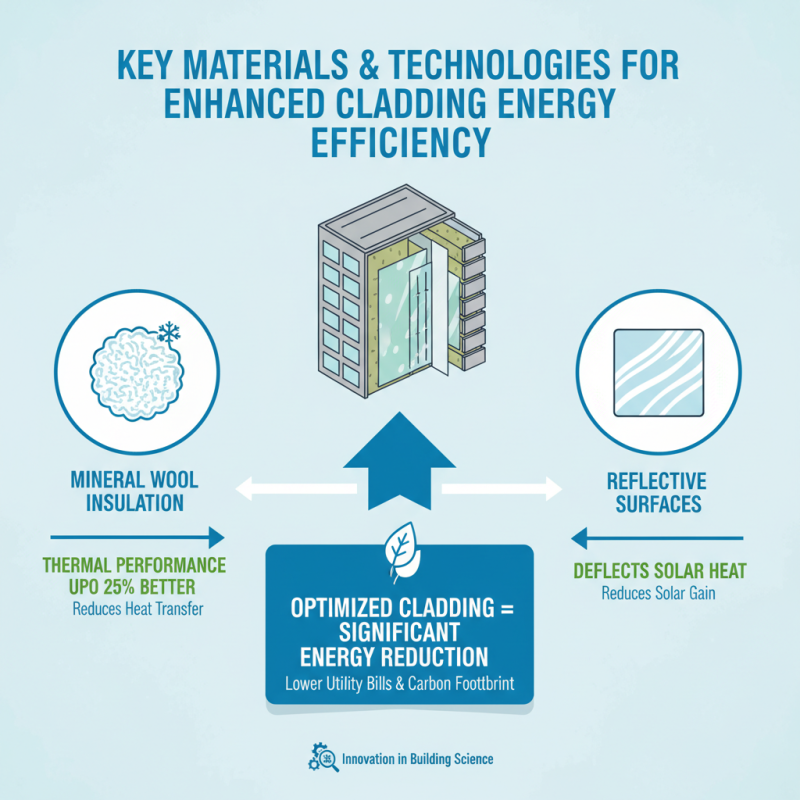
Optimizing cladding operations is crucial for energy efficiency. The choice of materials plays a vital role in this process. For instance, research indicates that the thermal performance of mineral wool insulations can improve energy efficiency by up to 25%. When paired with reflective surfaces, the overall energy consumption of a building can be significantly reduced.
Advanced technologies also support better cladding efficiency. For example, passive solar design techniques can enhance the use of natural light. By integrating high-performance glazing systems, architects can achieve reductions in heating and cooling costs by approximately 40%. However, some buildings still rely on outdated materials that do not meet modern energy standards. This gap in technology adoption calls for a reassessment of building practices.
Selecting sustainable materials remains a challenge. While recycled materials are an option, understanding their long-term performance is essential. Not all sustainable choices deliver the intended energy savings. The emphasis should be on lifelong energy efficiency rather than short-term solutions. Making informed decisions on cladding materials and technologies is imperative for achieving lasting energy efficiency in construction.
Evaluating the Impact of Cladding Design on Energy Savings
Cladding design plays a critical role in enhancing energy efficiency in buildings. Recent studies indicate that well-designed cladding can reduce energy consumption by up to 30%. The materials and design choices directly impact heat retention and insulation. High-performance external cladding can significantly minimize heat loss during winter, while also reducing heat gain in summer. Choosing the right color and finish can also affect thermal performance.
Tips: Consider incorporating materials like insulated panels that enhance thermal performance. Use lighter colors for your cladding to reflect sunlight and minimize heat absorption.
Many buildings overlook the importance of continuous insulation, which significantly contributes to energy savings. Poorly designed cladding systems often lead to thermal bridging, increasing energy costs. Proper detailing during installation can help avoid these pitfalls. It’s crucial to also evaluate local climate conditions to select the most effective cladding design.
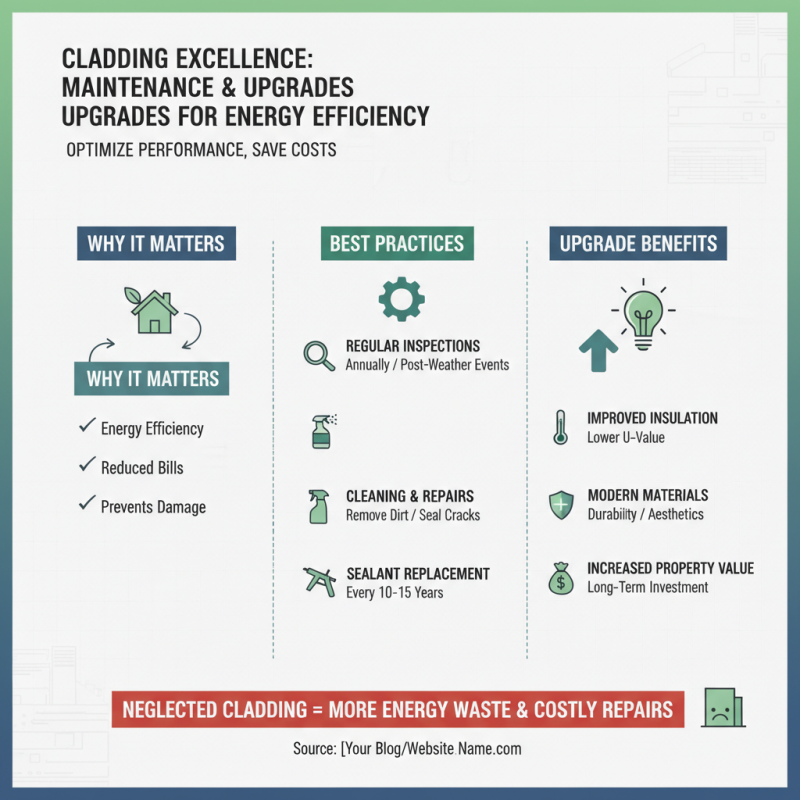
Tips: Regularly inspect cladding systems for signs of wear. Even minor issues can lead to significant energy losses. Don't hesitate to update designs based on the latest research and advancements in materials.