What are the Latest Trends in Cladding Technology in China?
Cladding technology plays a crucial role in modern architecture, particularly in China. The country's construction industry is experiencing rapid growth, with the cladding market projected to reach $10 billion by 2025, according to industry reports. This represents an annual growth rate of approximately 8%. As urbanization accelerates, the demand for energy-efficient and aesthetically pleasing buildings rises. Consequently, innovative cladding solutions are becoming essential.
Recent trends in cladding technology highlight advancements in materials and sustainability. Prefabricated panels, for instance, streamline installation and reduce waste. Moreover, the integration of smart technology into cladding systems enhances energy efficiency. As per the International Energy Agency, buildings account for nearly 30% of global energy consumption. Hence, improving cladding can significantly reduce a building's carbon footprint.
However, challenges remain in this rapidly evolving field. The market often grapples with issues of compliance and quality control. Some manufacturers struggle to keep pace with international standards, affecting reliability. As China moves towards more stringent building codes, the industry must prioritize transparency and innovation. As trends continue to shift, stakeholders must reflect on their practices to ensure they meet both regulatory requirements and consumer expectations.
Latest Innovations in Cladding Materials in China
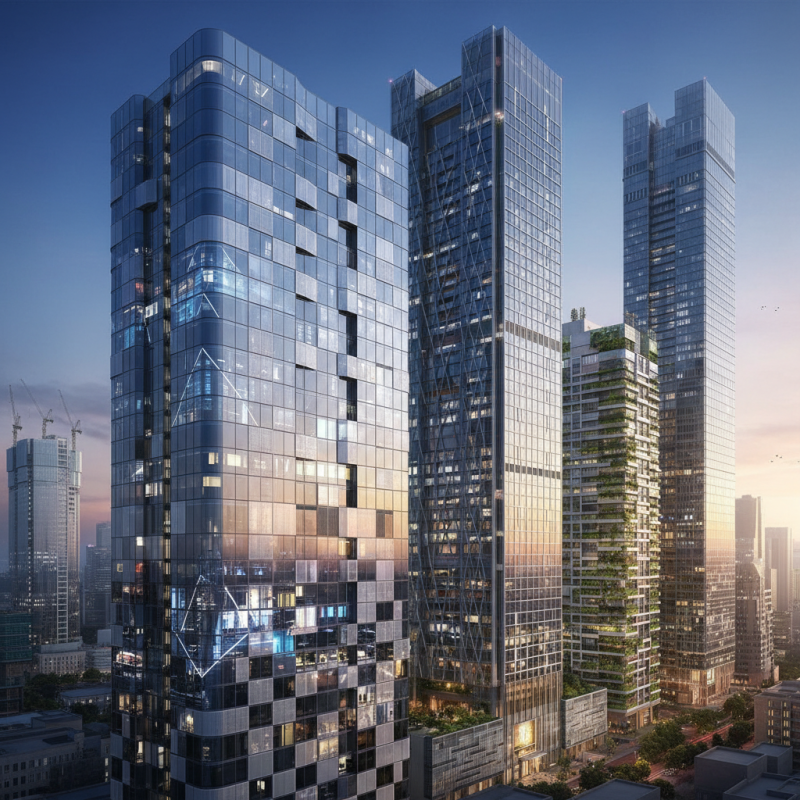
In recent years, China has seen a surge in innovation related to cladding materials. The focus is on sustainability and energy efficiency. Architects and builders are increasingly drawn to eco-friendly options. These materials reduce environmental impact while enhancing building aesthetics.
Many new cladding solutions utilize recycled materials. This trend aligns with global sustainability goals. For example, bamboo and reclaimed wood are gaining popularity. These options not only appeal visually but also provide excellent insulation. Such materials can significantly lower energy consumption.
Tips: When selecting cladding, consider its thermal performance. Look for certifications that guarantee eco-friendly production. Always research local suppliers to find the best options available.
Some emerging technologies include lightweight composites. These materials are durable and easy to install. They reduce labor costs and construction time but may have limitations in traditional settings. Careful consideration is needed to ensure they meet safety standards.
Evaluating different cladding options can be overwhelming. It's crucial to balance aesthetics with practicality. Take time to explore various choices to avoid costly mistakes down the line.
What are the Latest Trends in Cladding Technology in China? - Latest Innovations in Cladding Materials in China
| Material Type |
Thermal Efficiency |
Durability |
Aesthetic Appeal |
Sustainability |
| Aluminum Composite Panels |
High |
Excellent |
Modern |
Yes |
| Ceramic Tiles |
Moderate |
High |
Classic |
Yes |
| Fiber Cement Boards |
High |
Very Good |
Versatile |
Yes |
| Wood Composites |
Moderate |
Good |
Natural |
Yes |
| Glass Fiber Reinforced Concrete (GFRC) |
High |
Excellent |
Contemporary |
Yes |
Emerging Trends in Sustainable Cladding Solutions
In recent years, sustainability has become a key focus in the cladding industry in China. Emerging trends highlight the integration of eco-friendly materials. Reports indicate that nearly 35% of cladding solutions now incorporate recycled content. This shift addresses environmental concerns while meeting the demands of modern architecture.
Innovations in sustainable cladding material are on the rise. Bamboo, for example, is gaining popularity. This renewable resource is lightweight yet durable, offering an eco-friendly alternative to traditional options. Studies show that buildings using bamboo cladding can reduce carbon emissions by up to 30%.
However, challenges persist. Sourcing sustainable materials can face logistical issues. Not all manufacturers are equipped to use these innovative materials effectively. Some cladding products still lack performance standards, raising questions about their long-term viability. As the industry evolves, addressing these concerns will be vital for the future of sustainable cladding.
Latest Trends in Cladding Technology in China
The bar chart below illustrates the emerging trends in sustainable cladding solutions in China, focusing on the adoption of various materials over the past few years.
Impact of Advanced Manufacturing Techniques on Cladding Design
Advanced manufacturing techniques are reshaping cladding design in China.
The integration of digital fabrication and automation enhances precision.
This evolution allows for complex shapes that traditional methods could not achieve.
For example, 3D printing creates unique textures, contributing to aesthetic appeal and functionality.
Moreover, new materials are emerging. Lightweight composites reduce overall building weight while retaining durability.
Such advancements challenge existing design norms and invite architects to rethink possibilities.
However, not all innovations meet practical needs.
Some designs may compromise structural integrity or longevity.
Sustainability remains a crucial consideration.
Manufacturers are exploring eco-friendly options, yet scaling these practices poses challenges.
The balance between innovation and environmental responsibility requires ongoing scrutiny.
Industry experts emphasize that while technology opens new avenues, we must address real-world applications effectively.
Regulatory Changes Influencing Cladding Technology Development
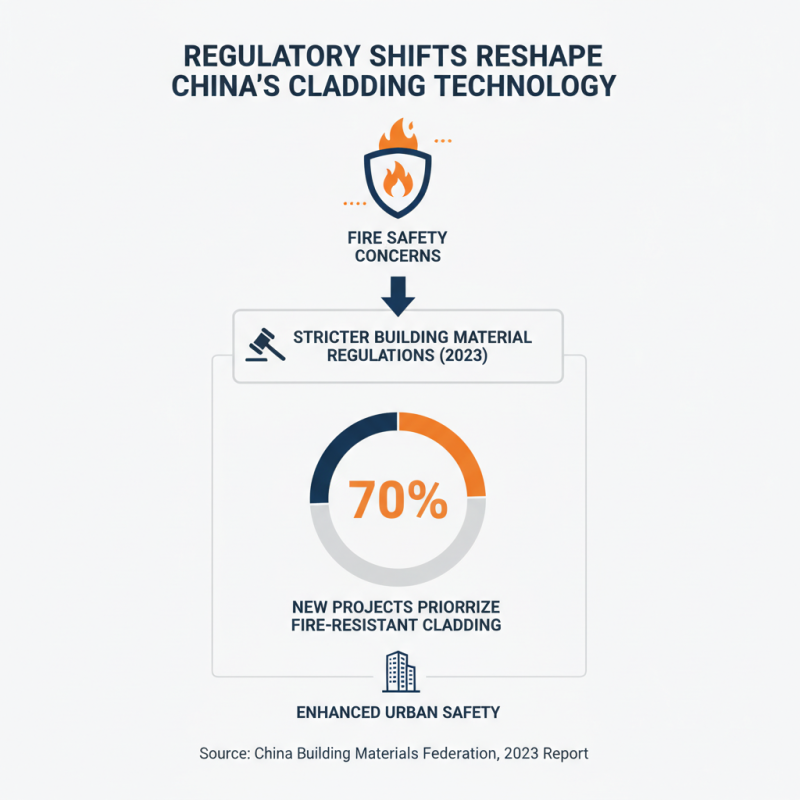
Recent regulatory shifts in China are reshaping the cladding technology landscape. In response to growing fire safety concerns, the government has enacted stricter safety standards for building materials. According to a 2023 report from the China Building Materials Federation, nearly 70% of new projects now prioritize fire-resistant cladding options. This is a significant shift that signals a commitment to enhancing safety in urban development.
In addition to safety regulations, environmental policies are steering innovation in the cladding sector. Sustainable materials are gaining traction, with a reported 50% increase in the use of recycled materials for façades. The push for greener construction practices is not merely a trend; it reflects a deeper awareness of environmental impacts. However, the challenge remains in balancing sustainability with performance and cost-effectiveness.
Tips: When selecting cladding materials, consider both safety and sustainability. Evaluate suppliers’ certifications and insurance to ensure compliance with evolving standards. Also, keep an eye on emerging technologies that could offer better performance while adhering to regulations. Frequent updates in legislation mean a proactive approach is vital for industry stakeholders.
Market Dynamics and Consumer Preferences in Cladding Choices
Cladding choices in China reflect a growing awareness of aesthetics and sustainability. Many consumers prefer materials that not only enhance the visual appeal of their buildings but also offer environmental benefits. Options like fiber cement and wood composites are gaining traction due to their eco-friendliness. Natural textures and earthy tones are particularly popular among urban developers who aim to integrate buildings into green surroundings.
Market dynamics indicate a shift towards innovative cladding solutions. Homeowners are increasingly concerned about energy efficiency and insulation properties. They seek materials that provide thermal protection and reduce energy costs. However, some consumers grapple with the trade-off between durability and initial investment. Lightweight options may sound appealing, but they sometimes compromise long-term performance.
Moreover, the trend is influenced by regulatory changes promoting greener practices. Consumers are becoming more informed about the lifecycle impacts of cladding materials. This knowledge drives demand for products made from recycled or renewable resources. Yet, misinformation still exists regarding the longevity and maintenance of different materials. As preferences evolve, so does the need for continued education on upcoming technologies and their implications.