What is Laser Powder Cladding and Its Benefits for Businesses?
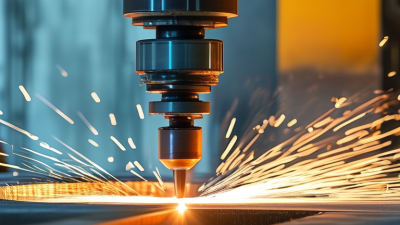
Laser Powder Cladding is a cutting-edge process that offers numerous advantages for businesses across various industries. This technique involves applying a layer of powdered material onto a substrate using a high-powered laser. It enhances surface properties, increasing durability and resistance to wear and corrosion. The precision of Laser Powder Cladding allows companies to tailor surfaces to meet specific needs.
Implementing Laser Powder Cladding can lead to significant cost savings. It's an effective solution for repairing damaged components, extending their lifespan without the need for complete replacement. However, businesses must assess whether this technology aligns with their operational goals. Understanding potential limitations, such as the initial investment and skill requirements for proper execution, is crucial.
The benefits of Laser Powder Cladding are becoming more recognized in manufacturing and repair sectors. However, the technology's complexity can be daunting. Companies must weigh the benefits against the challenges of integration. With proper expertise, the right applications can lead to improved efficiency and competitive advantage.
What is Laser Powder Cladding? Understanding the Basics of the Process
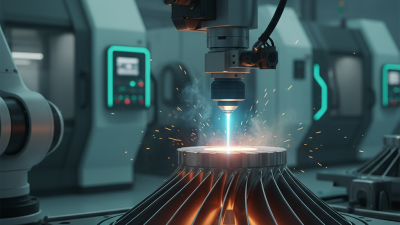
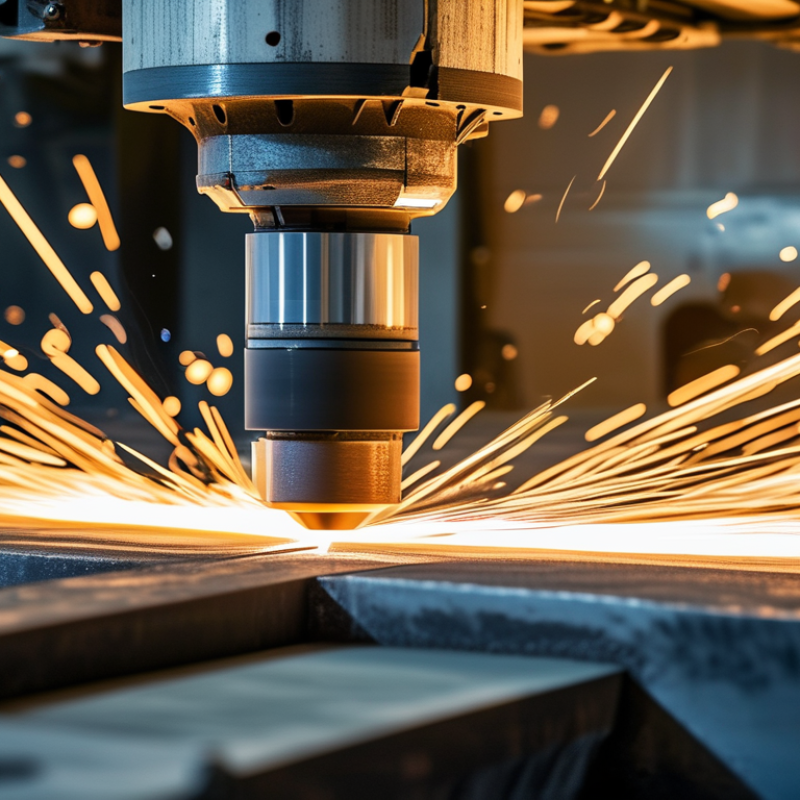
Laser powder cladding is an advanced manufacturing technique. It involves fusing metal powders onto a substrate using a laser beam. This process allows for precise material deposition, improving the surface properties of components. The focused laser energy rapidly melts the powder, creating a strong bond. This technology enhances wear resistance, corrosion resistance, and overall durability of the materials.
Understanding this process requires familiarity with its specific applications. Industries often use laser powder cladding for repairing worn-out components. This method can rejuvenate parts, extending their lifespan significantly. Additionally, it enables the creation of complex geometries that traditional methods may not achieve. Businesses can benefit from reduced material waste as well. By applying only what is needed, they can save on costs and resources.
Tips for implementing laser powder cladding successfully include starting with a clear understanding of the substrate material. This allows for better alloy selections. Regular maintenance of the laser equipment is crucial to ensure optimal performance. It's also essential to train staff thoroughly to handle the technology efficiently. Evaluating the return on investment is wise before committing to this sophisticated process.
The Technology Behind Laser Powder Cladding: Equipment and Operations
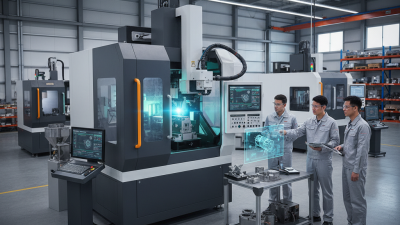
Laser powder cladding is an advanced technique used in various industries. This process involves melting and adhering metal powders onto a substrate using a high-powered laser. The equipment typically includes a laser system, a powder feeder, and a motion control unit. The precision of the laser allows for fine-tuning of energy input, resulting in a controlled layer thickness. This makes it ideal for complex geometries where traditional methods may struggle.
When integrating laser powder cladding, businesses need to consider the type of materials used. Different powders can lead to varied properties in the finished product. Base materials also play a crucial role in the overall performance. Understanding these dynamics enhances reliability. Workers must receive proper training. Errors can lead to defects that may compromise the integrity of the cladding.
Tips: Regular maintenance of equipment ensures consistent performance. Monitoring the environment is critical to avoid contamination. Lastly, always test samples before full production to assess quality and adhesion strength. Each project may require specific adjustments, so flexibility in operations is essential to meet unique challenges. Balancing speed and quality is worth reflecting upon, as rushing may lead to unsatisfactory results.
Key Advantages of Laser Powder Cladding for Industrial Applications
Laser powder cladding is revolutionizing industrial applications. This process adds layers of material onto surfaces, enhancing durability. It allows businesses to repair worn-out parts or create protective coatings. This technique improves wear resistance significantly. Industries benefit from increased product lifespan and reduced downtime.
One key advantage is precision. Laser technology enables accurate layer deposition. This minimizes material waste and saves costs. The process can be automated, leading to consistent results. Integration into existing manufacturing lines is often seamless. This helps businesses adapt quickly to market changes.
However, the adoption of laser powder cladding poses challenges. Initial investment costs can be high. Not all staff may be trained in such advanced techniques. Companies need to reflect on these factors before implementation. It’s crucial to weigh the benefits against potential hurdles. Balancing innovation and practical considerations ensures long-term success.
What is Laser Powder Cladding and Its Benefits for Businesses? - Key Advantages of Laser Powder Cladding for Industrial Applications
| Advantage |
Description |
Applicable Industries |
Impact on Business |
| Improved Durability |
Laser powder cladding enhances the surface properties of components, increasing resistance to wear and corrosion. |
Aerospace, Automotive, Manufacturing |
Reduces maintenance costs and extends the lifespan of components. |
| Precision and Control |
Allows for precise application of materials, resulting in minimal waste and high-quality finishes. |
Electronics, Medical Devices, Tooling |
Improves product quality and reduces production costs. |
| Versatility |
Can be applied to a variety of substrates and materials, making it suitable for multiple applications. |
Construction, Oil & Gas, Railways |
Facilitates innovation and customization in product development. |
| Eco-Friendliness |
Minimizes material waste and resource usage compared to traditional coating methods. |
General Manufacturing, Renewable Energy |
Aligns with sustainability goals and reduces environmental impact. |
| Cost-Effectiveness |
Despite initial investment, lowers overall costs through reduced maintenance and extended lifecycle of parts. |
Manufacturing, Mining, Defense |
Offers significant long-term savings and improved profit margins. |
Cost-Effectiveness and Efficiency: Business Benefits of Laser Powder Cladding
Laser powder cladding has emerged as a transformative technology for businesses aiming to enhance productivity and reduce costs. According to a report by MarketsandMarkets, the global laser cladding market is projected to grow from $1.78 billion in 2021 to $2.79 billion by 2026. This growth emphasizes the technology's increasing adoption.
One key benefit of laser powder cladding lies in its cost-effectiveness. By precisely fusing materials, it reduces the need for extensive machining after the initial build. This can lower production time by up to 30%, as outlined in a study by the International Journal of Advanced Manufacturing Technology. Moreover, the process generates less waste than traditional methods, potentially saving companies thousands of dollars on raw materials.
Efficiency is also crucial in today’s competitive landscape. Businesses applying laser powder cladding report significant improvements in durability and wear resistance of components. Parts can last up to three times longer, reducing downtime for repairs. However, companies must consider the initial investment in laser equipment and the training required for personnel. These factors can create a barrier for some organizations, but the long-term returns often outweigh these initial challenges.
Benefits of Laser Powder Cladding for Businesses
Comparative Analysis: Laser Powder Cladding vs. Traditional Coating Techniques
Laser powder cladding offers distinct advantages over traditional coating techniques. This modern method utilizes a laser to fuse powder materials onto a substrate, resulting in enhanced surface properties. In contrast, traditional techniques often involve chemical processes or physical application, which may not ensure the same level of adhesion or finish.
The precision of laser powder cladding allows for better control over thickness and material composition, leading to improved durability.
One area of concern with traditional coating techniques is their reliance on pre-treatment and curing processes. These steps can introduce variability, impacting the final quality. Laser powder cladding eliminates many of these variables, providing a consistent and reproducible outcome.
However, the equipment required for laser applications can be costly. Businesses need to weigh the investment against potential long-term savings through reduced maintenance and extended product life.
Despite its benefits, laser powder cladding is not without challenges. Understanding the specific materials and applications is crucial for success. Some industries might find the learning curve steep. Therefore, companies should carefully analyze their needs before making a transition. This reflection can lead to a more informed decision on whether to adopt this innovative approach.