What is a Laser Head and How Does it Work?
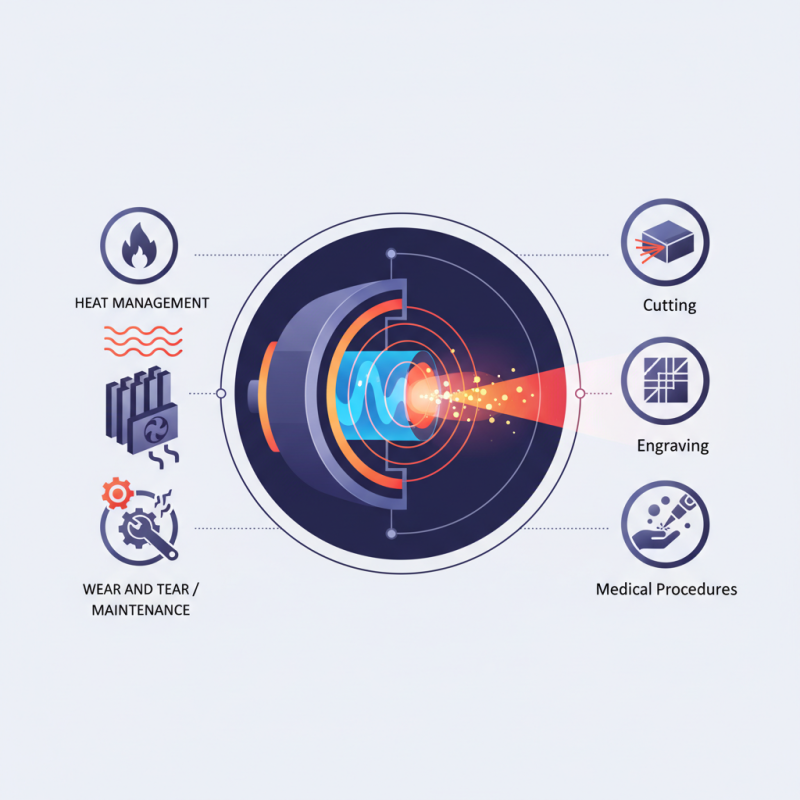
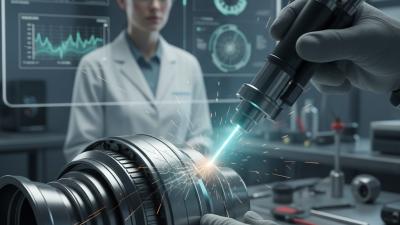
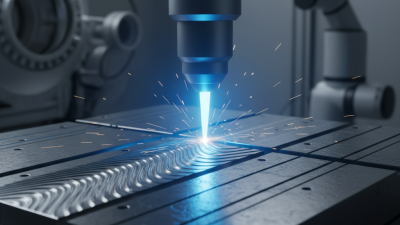
Laser heads are remarkable devices that generate focused beams of light for various applications. They play a key role in cutting, engraving, and medical procedures. Understanding how laser heads work is essential to appreciate their potential.
Laser heads use a process called stimulated emission. This involves energizing atoms within a medium, which can be gas, liquid, or solid. As these atoms return to their normal state, they emit photons. These photons amplify each other, creating a powerful beam. This process can be intricate, leaving room for enhancements and improvements.
Despite their efficiency, laser heads have challenges. Heat management can be a concern, impacting performance. Operating at high power levels can lead to wear and tear, requiring regular maintenance. It’s important for users to consider these factors when working with laser heads. Through careful observation and experimentation, one can truly harness their capabilities.
What is a Laser Head?
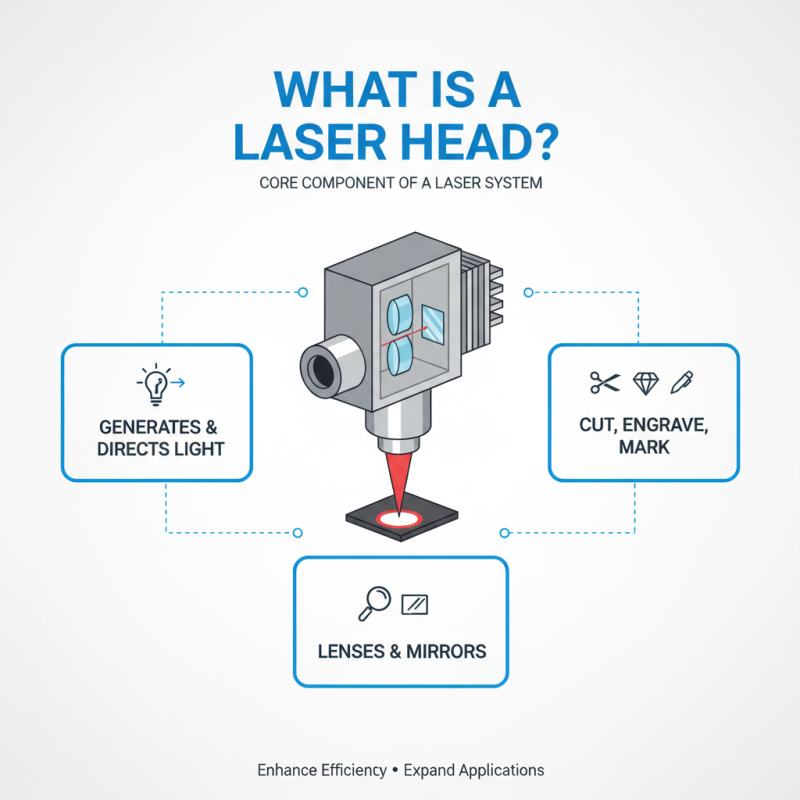
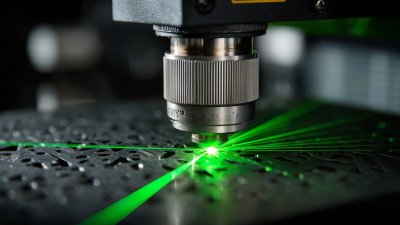
A laser head is the core component of a laser system. It generates and directs a focused beam of light. This beam can cut, engrave, or mark various materials. The laser head usually includes lenses and mirrors that help to shape the beam. Understanding how a laser head works can enhance its efficiency and expand its applications.
One key aspect is the quality of the beam. A well-aligned laser beam can produce precise results. Poor alignment often leads to uneven cuts or engravings. Regular checks and adjustments are crucial. It's easy to overlook this step, but doing so can save time and resources.
Tips: Always clean the lenses and mirrors. Dust can scatter the beam, reducing effectiveness. Consider using protective covers when the laser isn’t in use. This simple habit can prolong the life of components. Regular maintenance prevents many common issues. Adjusting settings according to different materials is also vital. Different densities require different settings for optimal performance.
Components of a Laser Head
A laser head is essential in many industrial applications. The key components of a laser head include the laser source, lenses, and mirrors. The laser source produces coherent light. This is crucial for precise cutting or engraving. Lenses focus the light into a fine beam. Mirrors direct the beam along the desired path.
A study by the Laser Institute of America indicates that laser technology increases efficiency in manufacturing by up to 30%. This efficiency is due in part to the ability to create precise cuts without requiring excessive material handling. Furthermore, a well-designed laser head reduces heat production during operation, minimizing thermal distortion.
Tips: Regular maintenance of the laser head can enhance performance. Check mirrors and lenses for damage or dirt. Clean parts carefully to avoid scratches. This could significantly improve beam quality.
Another point to consider is the heat management system. Some laser heads lack proper cooling features, leading to overheating. Overheating can damage components and affect overall performance. Always assess your setup. Adjustments might be necessary for optimal results. Understanding these components is key to maximizing the potential of laser technology.
Principles of Laser Operation
The principles of laser operation are fascinating. At its core, a laser generates a focused beam of light. This process requires three essential components: an energy source, a gain medium, and a pair of mirrors. The energy source pumps energy into the gain medium, exciting its atoms.
When the atoms are energized, they release photons. These photons bounce between the mirrors, stimulating more emissions. This chain reaction amplifies the light, creating a powerful beam. Interestingly, not all energy transitions in the gain medium lead to laser action. Some energy is lost, indicating potential inefficiencies in the process.
The quality of the output relies heavily on the precision of these components. A slight misalignment can lead to poor performance. Understanding these principles is crucial for anyone working with lasers. They highlight the delicate balance needed in laser technology, where every detail matters. Even small errors can have significant impacts.
Types of Laser Heads and Their Applications
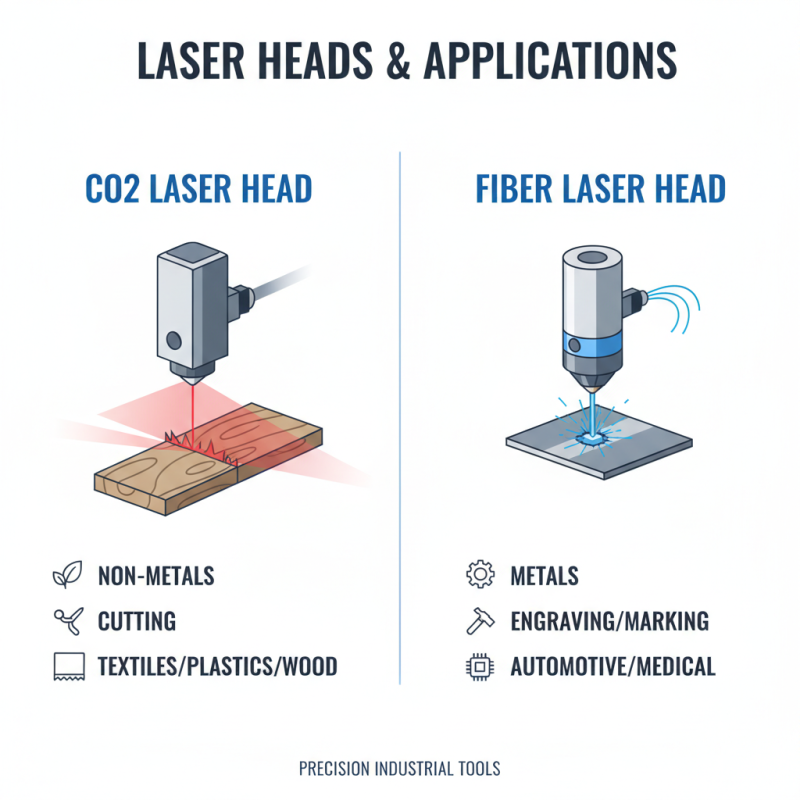
Laser heads play a crucial role in various industrial applications. They enable precision cutting, engraving, and marking in materials such as metals, plastics, and textiles. There are several types of laser heads, each suited for specific tasks. For instance, CO2 laser heads are popular for cutting non-metals, while fiber laser heads excel at processing metals. These distinctions highlight the importance of selecting the right type for your project.
In terms of applications, laser heads are widely used in manufacturing. A report from industry experts indicated that the global laser processing market is expected to reach $6.2 billion by 2026. This growth is driven by advancements in laser technology and increased demand from industries like automotive and aerospace. Companies often choose laser solutions for their speed and accuracy.
Tips: Always assess your material type before choosing a laser head. Different materials react differently to lasers. Running tests can help you avoid costly mistakes. Maintenance of the laser head is also vital. Regular cleaning and calibration ensure optimal performance.
Despite their advantages, challenges exist. Sometimes, precision varies depending on the speed of operation. Additionally, there may be limitations with thicker materials. Evaluating these factors is crucial before committing to a laser solution. Explore your options and remain informed about the latest advancements to achieve the best results.
Maintenance and Safety Considerations for Laser Heads
Maintaining a laser head is crucial for optimal performance. Regular cleaning is essential. Dust and debris can impact its functionality. Use appropriate tools to clean the lenses. Avoid using excessive force; this can cause scratches. Ensure that the power is off during maintenance.
Safety is another concern. Always wear suitable protective eyewear when working with laser equipment. The beam can cause serious eye damage. Keep flammable materials away from the laser area. This prevents unwanted fires. Additionally, create a clear workspace. Clutter can lead to accidents.
Periodic inspections are also important. Check for any signs of wear and tear. Frayed cables or loose connections can lead to failure. Address these issues immediately. Training staff on safety protocols is vital. Even a small lapse in safety can have serious consequences. Taking these considerations seriously is key to safe and effective laser operations.