What is a Laser Head and How Does it Work?
In the world of advanced manufacturing, the "Laser Head" has become a pivotal component. James Anderson, a renowned expert in laser technology, once stated, "The precision of a laser head is unmatched, shaping industries seamlessly." This statement highlights the importance of understanding how a laser head functions.
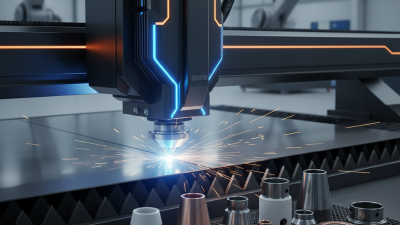
A laser head utilizes focused light to cut or engrave materials with incredible accuracy. It operates by directing a powerful beam onto the targeted surface. This process transforms solid matter into gas, allowing for intricate designs and clean finishes. The versatility of laser heads is evident in various applications, from metal fabrication to delicate artwork.
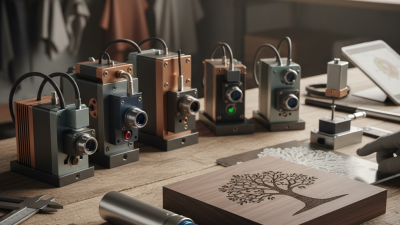
However, not all laser heads are created equal. Different types exist, each suited for specific tasks. Users must consider factors like beam quality and cooling systems to ensure optimal performance. The evolution of technology continues to challenge manufacturers to keep up. As new innovations emerge, understanding the mechanics of a laser head remains essential for ensuring reliability and efficiency in production. This dynamic field invites ongoing exploration and improvement.
What is a Laser Head? Definition and Overview
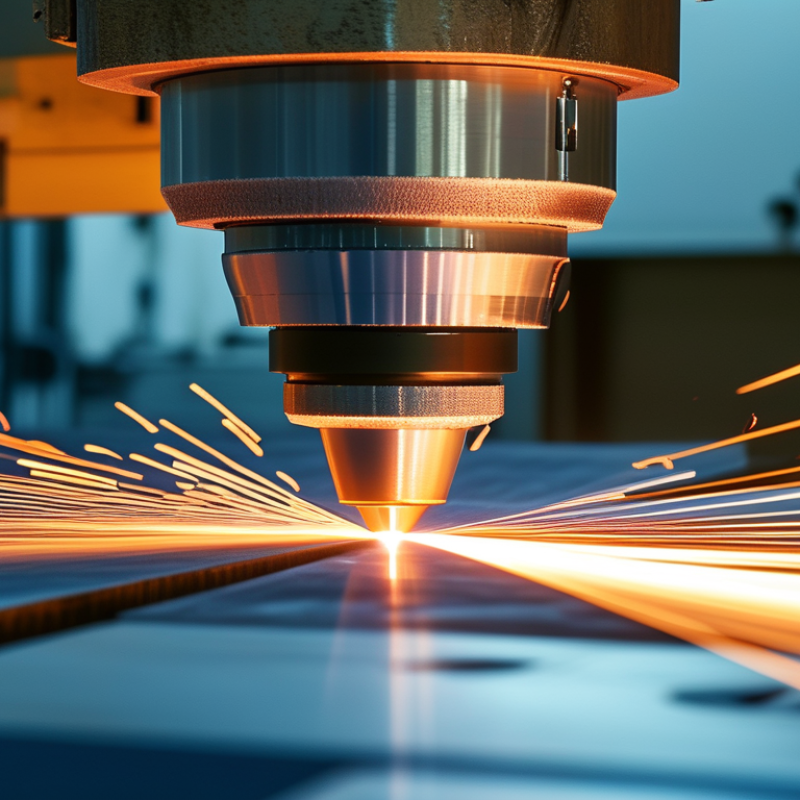
A laser head is a critical component in laser technology used for various applications. It primarily consists of a laser source and associated optics that focus the laser beam. The efficiency of a laser head is paramount, often determining the precision and quality of cutting or engraving tasks. According to industry reports, laser cutting has achieved up to 90% efficiency in material processing compared to traditional methods.
Understanding the workings of a laser head requires insight into its design and operation. Laser heads emit light through a process called stimulated emission, leading to the amplification of coherent light. The design of the optics ensures that the beam is focused and directed accurately. Research indicates that advancements in laser technology have increased cutting speeds by nearly 30% over the past five years. However, calibration issues can arise, affecting performance and quality.
While the advancements are impressive, challenges still exist. Thermal management and beam divergence can impact precision. Improper adjustments may lead to subpar results, necessitating careful monitoring. Despite ongoing improvements, users must remain vigilant about the setup and maintenance of laser heads to achieve optimal outcomes.
The Components of a Laser Head Explained
A laser head is a crucial component in various industries, such as manufacturing and medical applications. Its primary function is to focus a high-intensity light beam through precise optics. This beam allows for cutting, engraving, or marking materials with remarkable accuracy. Understanding its components helps optimize its use and ensures better outcomes.
At the core of a laser head are several components. The laser source generates the beam, while mirrors and lenses focus and direct it. Cooling systems manage heat to ensure lasting performance. Each element must work harmoniously. Reports indicate that improper alignment can reduce the laser's efficiency by up to 30%. Regular calibration and maintenance are vital for optimal performance.
**Tip:** Always check for dust and obstructions around the optical components. Even a small particle can scatter the beam, affecting precision.
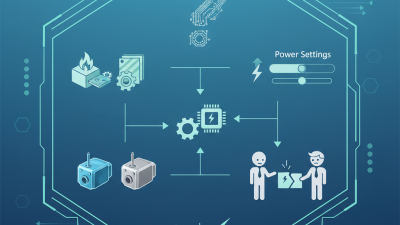
Another crucial aspect is the laser control systems. They dictate the speed and intensity of the beam, allowing for adaptable processes. Advanced controls can enhance productivity, but they also require specialized knowledge for effective operation. Misunderstanding these systems can lead to inaccurate settings, resulting in poor quality outputs.
**Tip:** Invest time in training operators. Well-trained personnel can dramatically reduce errors, improving overall productivity.
The Working Principle of Laser Technology
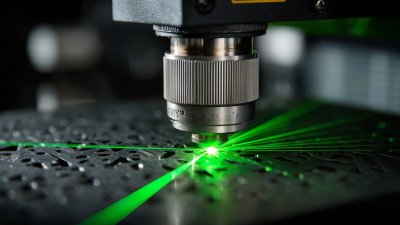
Laser technology operates on the principles of stimulated emission and light amplification. A laser head is an essential component in this process. It generates a focused beam of light through a medium, such as gas or solid materials. When energy excites the atoms in the medium, it leads to the emission of photons. This light is then amplified and focused into a coherent beam.
The laser head design often includes mirrors and lenses. These components help direct and refine the emitted light. The quality of the optical system significantly affects the beam's power and precision. Even slight misalignments can result in reduced performance. A well-designed laser head is crucial for applications like cutting, engraving, and medical procedures. Precision here can mean the difference between success and failure.
Understanding laser technology requires a grasp of physics and engineering principles. The interaction of light with materials can lead to various outcomes. These outcomes depend on factors like wavelength, power, and exposure time. It’s essential to consider these variables to achieve desired results. Refinement of techniques and thorough research can lead to better applications and safer practices in the field.
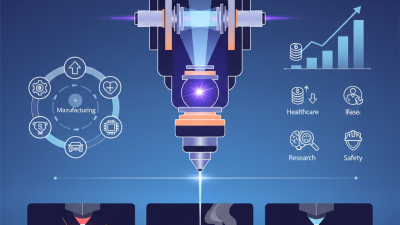
Laser Technology: Usage by Sector
Applications of Laser Heads in Various Industries
Laser heads have transformative applications across industries. In manufacturing, they enable high-precision cutting and welding. According to a report by MarketsandMarkets, the laser cutting market is projected to reach $5.67 billion by 2025. Laser heads streamline processes, improving efficiency and reducing waste. However, companies must invest in proper training. Untrained staff may misuse the equipment, leading to accidents or product defects.
In healthcare, laser heads are crucial for various treatments. A report by Grand View Research indicates that the global medical lasers market size was valued at $2.5 billion in 2020. Applications range from eye surgery to cosmetic procedures. While they deliver benefits, improper calibration can result in serious complications. Continuous quality assurance is vital to maintain patient safety.
The aerospace industry utilizes laser heads for materials inspection and repair. The precision provided by lasers reduces manufacturing errors. However, reliance solely on this technology may overlook essential quality control measures. Integrating laser heads into existing workflows requires a balance between automation and human oversight. This approach ensures the reliability of the final product.
Maintenance and Care for Laser Heads
Maintaining a laser head is crucial for optimal performance. Regular care can extend its lifespan significantly. According to industry reports, well-maintained laser heads can operate efficiently for over 10,000 hours. This is a stark contrast to poorly maintained systems, which often fail within a few thousand hours.
Cleaning is essential. Dust and debris can accumulate on the lens, affecting the quality of the laser beam. Use a gentle lens cleaner and a soft cloth. Avoid excessive pressure, as it can scratch the lens surface. Many technicians recommend a cleaning schedule that occurs every few hundred hours of use.
Cooling systems also require attention. Laser heads generate heat, and effective cooling prevents overheating. Check coolant levels regularly and clean any filters. Neglecting these tasks can result in diminished performance. Reports indicate that almost 30% of laser head failures are linked to inadequate cooling. Regular maintenance isn't just best practice; it's essential for reliable operation.