Top Cladding Technology Innovations Transforming Building Design Today?
In recent years, Cladding Technology has become a focal point in architectural design. Architects and builders are exploring innovative materials and techniques. This transformation impacts how buildings interact with their environment.
New cladding solutions offer aesthetic appeal and functionality. Options like sustainable materials and integrated insulation enhance energy efficiency. Some structures boast dynamic facades that respond to weather changes. However, the rapid advancement raises questions about longevity and maintenance.
Despite these innovations, challenges persist. Some materials may not perform as promised over time. There’s always a risk of mismatched expectations versus reality. It’s crucial to balance innovation with practicality. Only then can Cladding Technology truly elevate building design.
Current Trends in Cladding Materials Influencing Modern Architecture
Cladding materials play a crucial role in modern architecture. They greatly affect both aesthetics and functionality. Right now, several current trends are reshaping how we perceive building exteriors. Natural materials have gained popularity. Wood, stone, and clay enhance visual appeal. They also provide thermal efficiency, making buildings more sustainable.
Innovations in composite materials are also noteworthy. Lightweight yet durable, these materials offer design flexibility. They allow for unique shapes and textures. However, their long-term environmental impact is still being evaluated. Some materials might face scrutiny for their recyclability and longevity. Architects must tread carefully.
Another emerging trend is the use of smart technologies within cladding. Integrating sensors can improve energy efficiency. These systems monitor temperature and humidity. Although effective, their maintenance can pose a challenge. Managing these systems might require specialized knowledge. Thus, architects must balance innovation with practicality.
Innovative Techniques in Cladding Installation for Enhanced Durability
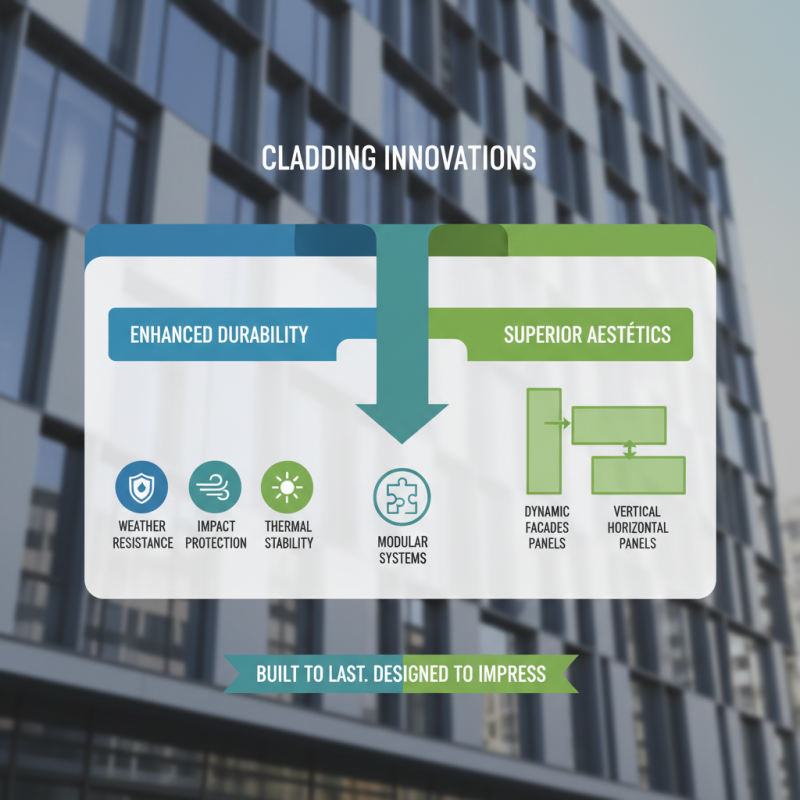
Cladding installation has seen remarkable innovations lately. Various techniques enhance durability and aesthetics. For example, vertical and horizontal panel systems create dynamic facades. These designs not only look great but also improve weather resistance. When executed well, they can withstand harsh conditions for years.
Advanced materials like fiber-reinforced polymers are gaining traction. They offer excellent strength while keeping lightweight. However, challenges remain in ensuring proper assembly and integration with other building elements. A misstep can lead to costly repairs. Attention to detail during the installation is crucial for long-lasting results.
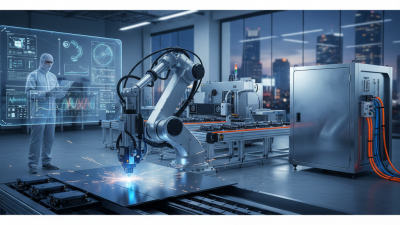
Furthermore, the use of prefabricated panels is becoming popular. This method reduces on-site labor and minimizes construction time. Yet, it requires careful logistical planning to avoid delays. Ensuring that panels fit perfectly is vital to meet design specifications. Building professionals must consistently adapt and refine their approaches to achieve optimal outcomes.
Sustainability and Eco-Friendly Cladding Solutions in Building Design
Building design is increasingly embracing sustainability. Eco-friendly cladding solutions play a crucial role in this shift. Materials such as recycled metal, bamboo, and reclaimed wood are becoming popular choices. These options reduce environmental impact and enhance building aesthetics.
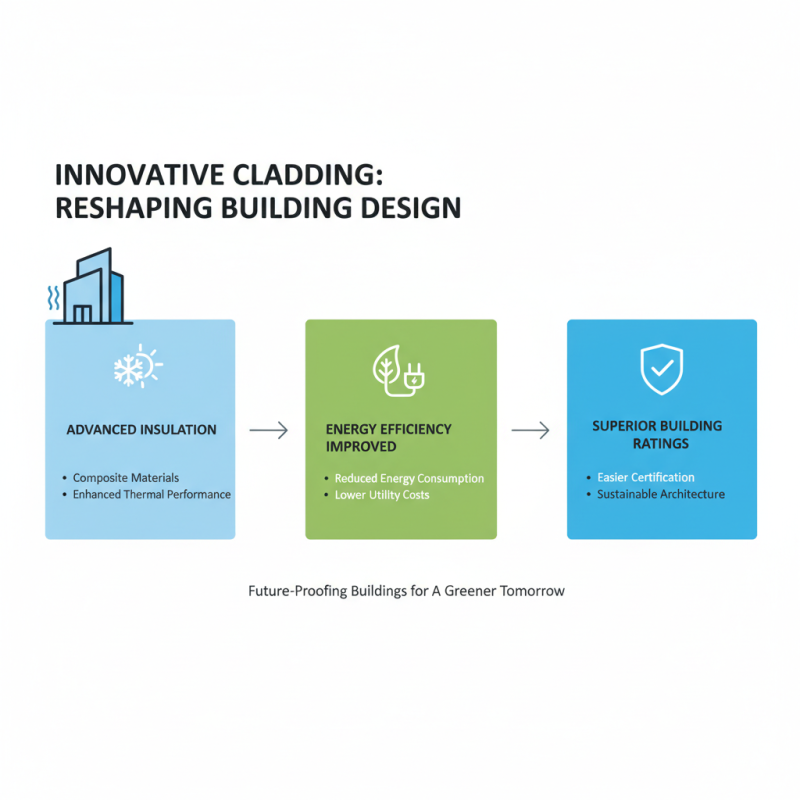
The integration of natural insulation is vital within cladding systems. Properly insulated buildings consume less energy for heating and cooling. This change not only lowers utility bills but also minimizes carbon footprints. However, balancing aesthetics and functionality can be challenging. Some eco-friendly materials may not perform as expected.
Moreover, maintenance of these materials is essential. They often require specific care to maintain longevity. Without proper care, their sustainability benefits could diminish over time. Designers must weigh these factors when selecting cladding solutions. The journey towards truly sustainable building design is ongoing and requires continuous refinement.
Top Cladding Technology Innovations Transforming Building Design Today
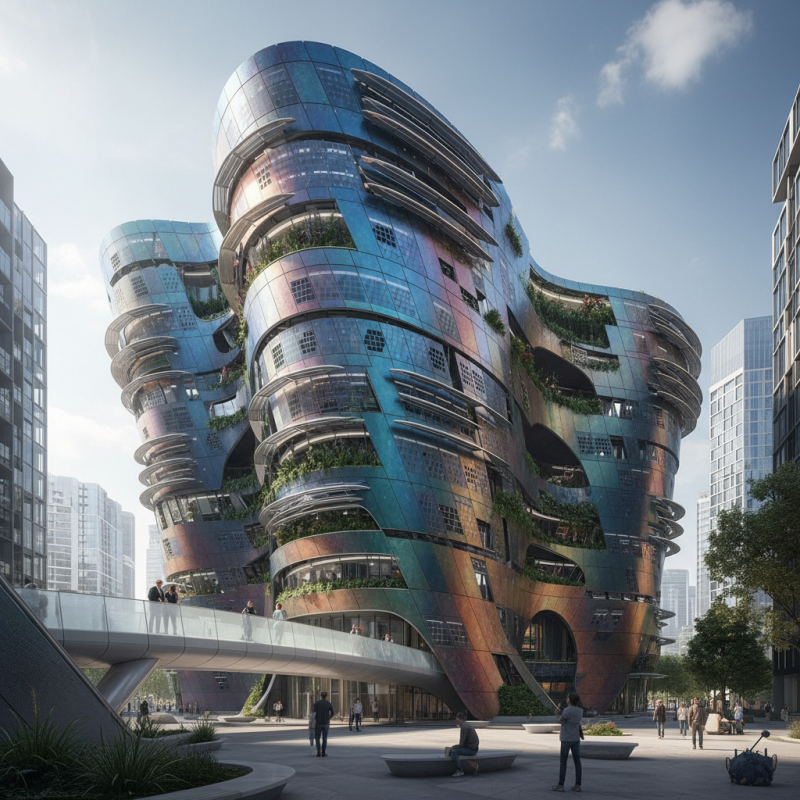
Impact of Aesthetic Cladding Designs on Urban Aesthetics and Functionality
Aesthetic cladding designs are reshaping urban landscapes dramatically. They enhance the visual appeal of structures while improving functionality. A recent report stated that over 40% of architects believe cladding impacts a building's overall success. This statistic illustrates the importance of thoughtful design.
Different materials, such as metal, glass, and wood, elevate aesthetics significantly. They provide texture and color, breaking the monotony of concrete urban environments. In fact, according to a study by the World Green Building Council, visually appealing buildings can increase property values by about 20%. However, not all designs integrate well with their surroundings. Some projects prioritize style over practicality, leading to problems like poor insulation or maintenance difficulties.
Balancing beauty and functionality is key. Innovative designs should consider local culture and environment. A well-designed facade can reflect the identity of a community. Yet, it's essential to avoid trends that may quickly become outdated. Many buildings constructed with trendy materials face early renovation needs. The focus should shift towards timeless designs that adapt over time, providing lasting value.
Top Cladding Technology Innovations Transforming Building Design Today
| Innovation Type |
Description |
Aesthetic Impact |
Functional Benefits |
| Metal Composite Panels |
Lightweight panels that provide a sleek modern look. |
Highly reflective, allowing for unique light interactions. |
Durable and low maintenance, enhancing longevity. |
| Glass Reinforced Concrete |
Combines sleek concrete finish with glass properties. |
Offers a unique texture and appearance. |
Increases structural stability while being lightweight. |
| Sustainable Cladding Materials |
Eco-friendly materials that reduce environmental impact. |
Natural aesthetic appeal blending with surroundings. |
Enhanced insulation properties for energy efficiency. |
| 3D Printed Facades |
Customizable designs that can be produced on-demand. |
Unique shapes and patterns enhance visual interest. |
Reduces waste and allows for quick design iterations. |
| Living Walls |
Vertical gardens that add greenery to urban spaces. |
Enhances beauty and promotes biodiversity. |
Improves air quality and provides natural insulation. |