Why Choose Laser Surface Preparation for Your Manufacturing Needs?
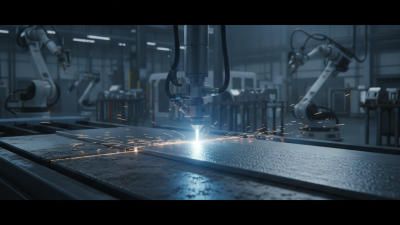
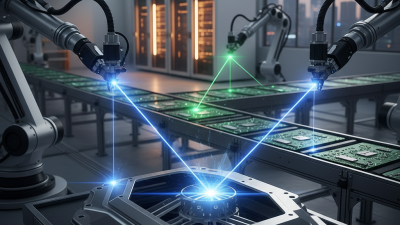
When it comes to manufacturing, precision is key. One innovative method that has emerged is Laser Surface Preparation. This technique offers a high level of accuracy and consistency unmatched by traditional methods. By using laser technology, manufacturers can achieve improved surface quality, leading to better adhesion and enhanced product longevity.
Laser Surface Preparation enables selective treatment areas, which maximizes efficiency. This targeted approach often results in less waste and reduced energy consumption. Such benefits contribute to a more sustainable manufacturing process. However, it's important to consider the initial investment in equipment and training. Ensuring that teams are well-versed in this technology is crucial for success.
Ultimately, embracing Laser Surface Preparation can elevate manufacturing capabilities. It opens the door to new possibilities for industries seeking high-quality outcomes. Yet, like any technology, it requires careful implementation and ongoing evaluation. Manufacturers must weigh these factors against their specific needs and objectives.
Benefits of Laser Surface Preparation in Manufacturing Processes
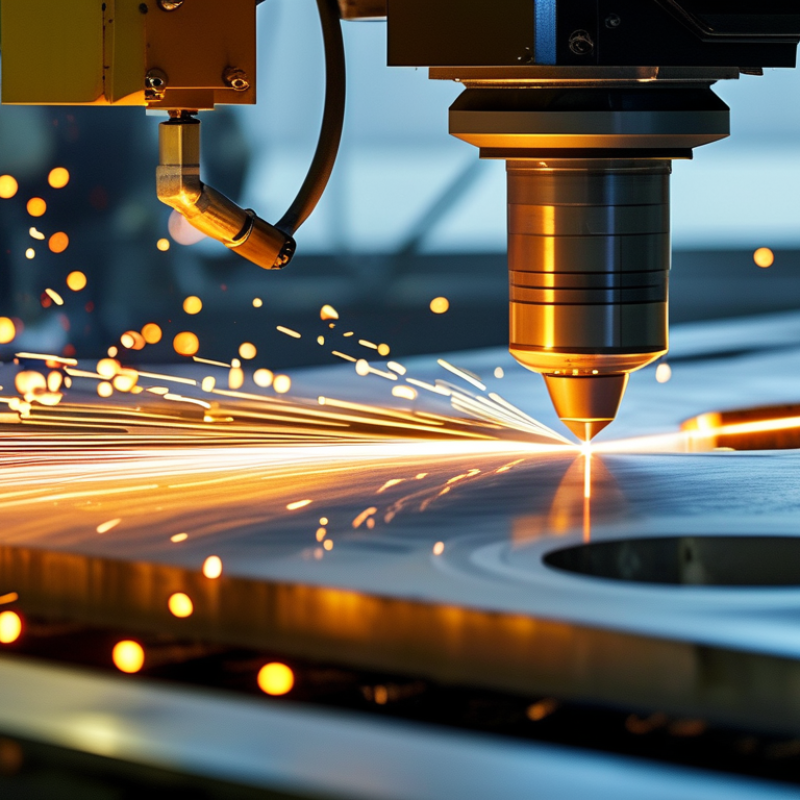
Laser surface preparation is transforming the manufacturing sector. This innovative method offers numerous benefits that enhance product quality and efficiency. By utilizing lasers, manufacturers achieve cleaner surfaces. This results in improved adhesion for coatings and better performance in final products.
One significant advantage of laser surface preparation is its precision. Lasers can target specific areas without damaging surrounding material. This precision reduces waste and minimizes the need for rework. The process is also faster than traditional methods. As a result, production times decrease, helping companies meet tight deadlines.
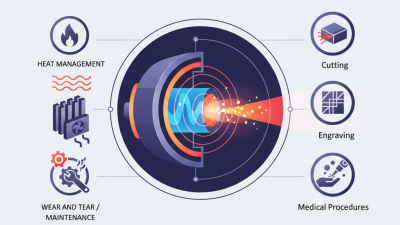
However, there are challenges to consider. Not every surface is suitable for laser treatment. Some materials may not respond well. Additionally, operators require training to manage laser systems safely. Careful evaluation is essential to ensure the benefits outweigh any potential drawbacks.
Comparison of Laser Surface Preparation with Traditional Methods
Laser surface preparation stands out as a modern alternative to traditional methods like sandblasting and chemical etching. Unlike abrasive techniques, lasers selectively remove surface contaminants without damaging the underlying material. This precision ensures a cleaner surface, ready for further processing. Many manufacturers appreciate this level of accuracy. It reduces the risk of imperfections that can lead to adherence issues in subsequent layers.
Traditional methods often create debris and can leave residual chemicals. This necessitates additional cleaning steps, increasing production time and costs. Laser methods minimize waste and are generally more environmentally friendly. However, the initial investment in laser technology can be high. Some companies might hesitate due to this upfront cost. Still, over time, the savings in labor and material efficiency often outweigh these initial expenses.
Another point to consider is the versatility of laser surface preparation. This method can be adjusted for various materials and thicknesses, providing flexibility that traditional methods lack. However, not every situation calls for lasers. In specific applications where deep material removal is needed, traditional methods might offer advantages. Each method has its unique benefits and drawbacks that require careful consideration.
Comparison of Laser Surface Preparation with Traditional Methods
Applications of Laser Technology in Various Manufacturing Sectors
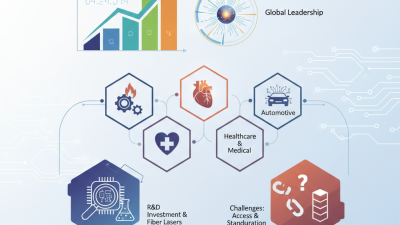
Laser surface preparation is reshaping various manufacturing sectors. In automotive production, it enhances the bonding of adhesives and coatings. Studies show that laser-treated surfaces increase adhesion strength by up to 50% compared to traditional methods. This improvement leads to more durable parts and lower failure rates in vehicles.
In aerospace, precision is paramount. Laser technology allows for meticulous surface cleaning and texturing. Researchers found that laser ablation can remove contaminants without damaging the substrate. This process minimizes the risk of flaws in critical components. A recent report highlighted that laser preparation reduces defect rates by 30%, a significant advantage in high-stakes industries.
However, challenges remain. The initial investment in laser systems can be high. Smaller manufacturers might struggle with the upfront costs. Additionally, the learning curve for operators can be steep. Ensuring proper technician training is essential to optimize the benefits. Ultimately, while laser surface preparation offers clear benefits, careful consideration of costs and training must be addressed for successful implementation.
Cost-Effectiveness of Laser Surface Preparation Solutions
Laser surface preparation is becoming a game-changer in manufacturing. One major benefit is its cost-effectiveness. Traditional methods often demand significant time and labor. In contrast, laser technology is fast and minimizes waste. This efficiency translates directly into lower operational costs over time.
The accuracy of laser surface preparation contributes to its appeal. It ensures an even and clean surface, crucial for effective adhesion in coatings or bonding. Unlike some mechanical methods, there’s no material distortion. Yet, it is essential to note that initial equipment costs can be higher. Businesses must consider their long-term return on investment.
While laser solutions are innovative, challenges may arise. Some industries may find it hard to adapt. Training staff on new technology is necessary but can be time-consuming. There’s a learning curve involved. However, once mastered, the benefits often outweigh these hurdles. In the long run, laser surface preparation proves to be a reliable choice for many manufacturing applications.
Environmental Impact and Sustainability of Laser Prepared Surfaces
Laser surface preparation is increasingly recognized for its minimal environmental impact and sustainability. Traditional surface treatment methods often involve chemicals and abrasives that generate waste. In contrast, laser technology uses focused energy to prepare surfaces without such materials. According to a 2022 report from the International Journal of Advanced Manufacturing Technology, laser processing can reduce waste generation by as much as 70% compared to conventional techniques.
Additionally, laser surface preparation achieves high precision with lower energy consumption. A study by the American Society of Mechanical Engineers highlights that processes using laser technology can save up to 50% in energy costs. This efficiency translates to lower carbon footprints, contributing to more sustainable manufacturing practices. The ability to recycle heat energy in laser systems further enhances their green credentials, allowing manufacturers to minimize their resource usage.
While laser surface preparation is promising, it is essential to remain aware of some challenges. Initial equipment costs can be high. Not all manufacturers have access to the required technology. Moreover, to fully realize the environmental benefits, better operational practices need to be adopted. Therefore, ongoing research and dialogue are vital for maximizing sustainability in laser surface treatment methods.