How to Achieve Strong Metallurgical Bonding in Cladding?
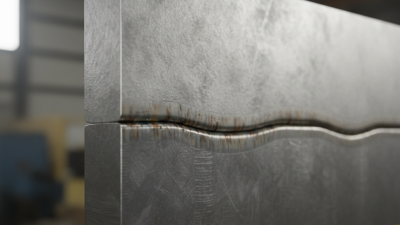
Achieving strong metallurgical bonding in cladding is crucial for enhancing material performance in various industries. Research shows that effective bonding can improve durability and resistance to wear. According to a recent report by the International Journal of Metal Processing, up to 70% of failures in cladded materials are due to inadequate bonding.
Expert Dr. Emily Carter, a leading authority in metallurgical processes, emphasizes, "The quality of metallurgical bonding in cladding directly impacts the lifecycle of composite materials." Her insights highlight that better bonding results in superior mechanical properties.
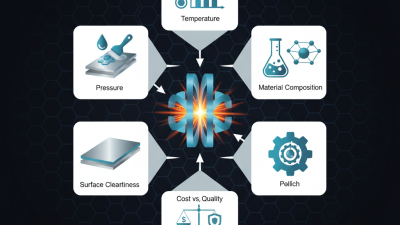
Nonetheless, the process of ensuring optimal metallurgical bonding can be challenging. Factors such as temperature, pressure, and substrate compatibility play significant roles. The complexities of achieving consistent results must not be overlooked. There is always room for improvement and innovation in this essential field.
Understanding Metallurgical Bonding in Cladding Applications
Metallurgical bonding in cladding applications plays a critical role in enhancing material performance. This process involves creating a strong bond at the atomic level between different metals. According to a recent report by the International Journal of Materials Science, achieving a bonding strength above 100 MPa is essential for high-performance cladding. This strength ensures resistance to delamination and wear, both vital for engineering applications.
Several factors influence the quality of metallurgical bonding. Cleanliness of the surface is crucial. Any contamination can significantly weaken the bond. A study from the Journal of Applied Physics highlighted that surface roughness must be controlled within 5 microns for optimal results. Moreover, temperature and pressure during cladding must be carefully monitored. Fluctuations can lead to weaker bonds, often resulting in failures during service.
Despite advancements, challenges remain. Achieving uniform bond quality across large surfaces is complex. Variations in material thickness complicate this further. Researchers must explore innovative techniques to mitigate these challenges, ensuring consistency in bonding quality. Data from the Alloy Design Consortium indicates a need for improved methodologies, suggesting that almost 20% of cladding failures are due to inadequate bonding. Addressing these issues is key to advancing metallurgical bonding technology.
Key Factors Influencing Strong Metallurgical Bonds in Cladding
Achieving strong metallurgical bonding in cladding is complex. Several key factors influence the quality of these bonds. Understanding these factors can enhance your cladding techniques significantly.
Temperature control is crucial. The bonding process often requires specific temperatures to ensure proper metallurgical interactions. High temperatures may lead to excessive grain growth. This can weaken the bond. Monitoring temperature accurately is essential for achieving optimal results.
Another important factor to consider is surface preparation. Clean surfaces aid in better bonding. Contaminants like oil and rust can hinder this process. Always ensure that surfaces are thoroughly cleaned before bonding.
Tips: Use abrasives or chemical cleaners for effective surface preparation. Regularly inspect your equipment for debris build-up. Adjust your heating methods to maintain consistent temperatures.
Material compatibility is also vital. Not all metals bond well together. Selecting compatible materials can lead to stronger bonds. A mismatch may result in weak interfaces.
Tips: Research alloy properties and behavior. Conduct tests on small samples before large-scale bonding. This will identify potential issues early on, reducing unnecessary waste and time.
Incorporating these elements will help you achieve stronger metallurgical bonds in cladding applications. Consider these factors in your next project to improve performance and durability.
Techniques to Enhance Bonding Strength in Cladding Processes
Achieving strong metallurgical bonding in cladding is crucial for enhancing the overall durability and performance of materials. Various techniques can improve bonding strength during cladding processes. One effective method is
optimizing the surface preparation. Clean surfaces promote better adhesion. Removing contaminants such as oils or oxides helps ensure a uniform bond.
Another technique involves controlling the cladding parameters. Adjusting heat input and cooling rates can significantly affect bonding quality. A balance between these factors is essential. High heat may create a weaker bond, while too low can lead to inadequate melting. Small adjustments can yield noticeable improvements.
Tips:
Use inert gas shielding effectively to minimize oxidation during the process. Check parameters frequently, as even slight variations can impact bonding. Regularly assess the joint profiles for consistency. Remember, experimentation can lead to better outcomes. Don't hesitate to revisit earlier steps if results aren't satisfactory. This reflection may reveal opportunities for improvement.
Common Challenges in Achieving Metallurgical Bonding and Solutions
Achieving strong metallurgical bonding in cladding involves navigating several challenges. One common issue is maintaining appropriate temperature control during the cladding process. A temperature deviation of just 5°C can impact the bond quality significantly. For instance, studies indicate that optimal bonding often requires temperatures between 200°C and 400°C, where intermetallic compound formation occurs without excess diffusion.
Another challenge is surface preparation. Contaminants such as oxides or oils can lead to poor adhesion. A clean surface is critical. Research shows that surface roughness can enhance bonding by increasing the contact area. For effective results, a surface roughness of at least Ra 0.8 μm is recommended. Using mechanical or chemical cleaning methods can help achieve this.
Tips: Regularly inspect the cladding equipment to prevent temperature fluctuations. Additionally, consider using an ultrasonic cleaning method to ensure surface purity before cladding. Even minor deviations can lead to reflections on bond integrity, which is often overlooked.
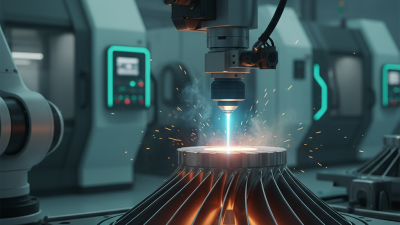
Utilizing welding methods like
laser or
electron beam welding can enhance bonding quality. These techniques allow for precise control over heat input and can reduce the risks of thermal distortion. It's crucial to carefully calibrate equipment to maintain consistent results. However, the initial costs for advanced technology can be a barrier for some manufacturers, highlighting the need for strategic investment in processes that ensure long-term quality.
Testing Methods for Assessing Cladding Bond Quality and Strength
Assessing the bond quality and strength of cladded materials is essential in metallurgy. Several testing methods are widely used to ensure the integrity of the bond. Visual inspection plays a crucial role. It helps identify surface defects like cracks or delaminations. Ultrasonic testing is another effective approach. This technique uses sound waves to detect flaws within the bond. It's non-destructive and provides valuable information about the bond's internal structure.
Mechanical testing is vital as well. Tensile and shear tests can directly measure the bond strength. During tensile tests, samples undergo stress until failure occurs. The results determine whether the bonding is strong enough for its intended application. Other methods involve heat resistance testing. Cladding must withstand high temperatures without compromising its bond integrity.
While these techniques are effective, they have limitations. Sometimes, hidden defects can go undetected. Moreover, the preparation of test specimens can affect results. It's essential to refine these methods continuously. Striving for improved accuracy and reliability in testing ensures high-quality metallurgical bonding in cladding.