2026 Best Laser Cladding Powder Options for Advanced Manufacturing?
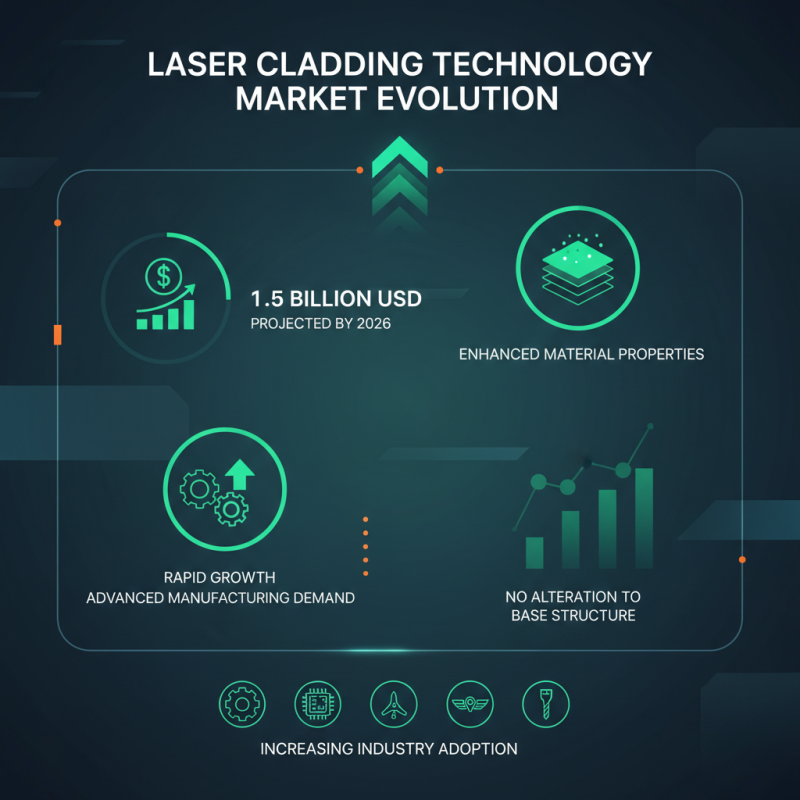
In the realm of advanced manufacturing, Laser Cladding Powder stands out as a game-changer. This technology enhances the durability and functionality of various components. According to a report by MarketsandMarkets, the global laser cladding market is projected to reach USD 2.3 billion by 2026, a significant growth fueled by demand for high-performance materials.
Laser Cladding Powder is crucial for improving wear resistance and restoring worn-out parts. Industries such as aerospace and automotive increasingly rely on this innovation. The material offers precise application and effective fusion with substrate metals. However, the selection of the right powder is challenging. Factors such as composition and particle size must be carefully considered.
Manufacturers often overlook the importance of quality control in powder production. A recent study indicated that inconsistent powder properties can lead to subpar coating performance. This highlights the need for continuous improvement in laser cladding processes. As the industry evolves, so must our approach to selecting Laser Cladding Powder options.

Overview of Laser Cladding and Its Importance in Advanced Manufacturing
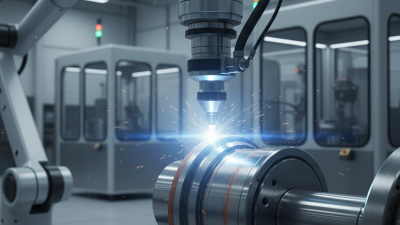
Laser cladding is a sophisticated process used in advanced manufacturing. It involves depositing material onto a substrate to improve wear resistance or restore dimensions. This technique is gaining traction, particularly in industries like aerospace and automotive. According to a report from Research and Markets, the laser cladding market is projected to grow significantly, reaching over $1 billion by 2025. This growth highlights its importance in enhancing component lifespan and reducing maintenance costs.
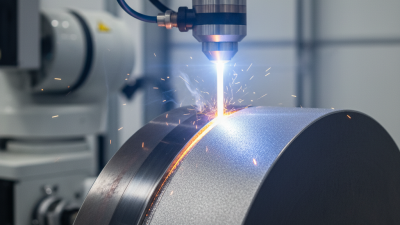
One of the key advantages of laser cladding is its precision. The process allows for the application of coatings with minimal heat input. As a result, distortion of the base material is reduced. However, challenges remain. The selection of appropriate cladding powders can complicate the process. Not all powders deliver the expected performance. In some cases, mismatches can lead to defects. This stresses the importance of choosing the right materials carefully.
Tips: Always conduct pre-application tests. Understanding the thermal properties of cladding powders will lead to better outcomes. It's also essential to consider the application's environment. A mismatch in powder composition can affect performance. Gathering data from previous projects can help inform decisions. Be prepared to adapt and reassess materials as technology evolves.
2026 Best Laser Cladding Powder Options for Advanced Manufacturing
| Powder Material |
Particle Size (μm) |
Density (g/cm³) |
Melting Point (°C) |
Use Case |
| Stainless Steel |
15-45 |
7.9 |
1400 |
Corrosion Resistance |
| Nickel-Based Alloy |
20-50 |
8.3 |
1400 |
High-Temperature Applications |
| Cobalt Alloy |
25-60 |
8.5 |
1300 |
Wear Resistance |
| Titanium Alloy |
10-40 |
4.5 |
1660 |
Aerospace Components |
| Aluminum-Based Powder |
15-30 |
2.7 |
660 |
Lightweight Structures |
Key Properties and Composition of Laser Cladding Powders
Laser cladding powders are essential for enhancing material properties in advanced manufacturing. These powders are made from a mix of metals and alloys. Selecting the right composition can significantly impact the final product's performance.
Key properties include: hardness, wear resistance, and corrosion resistance. Each powder type may vary in particle size and shape, affecting the cladding process. A finer powder can lead to a smoother finish but may require more precise handling.
However, finding the optimal balance between these properties is challenging. Not all powders will meet all requirements. Manufacturers often need to experiment. This trial and error can lead to delays in production, but it’s crucial for achieving desired results. Understanding the composition of these powders is vital for advancing manufacturing techniques.
Top 2026 Laser Cladding Powder Options for Various Applications
Laser cladding is increasingly popular in advanced manufacturing. It allows for the application of a coating to enhance materials. Various laser cladding powders serve different needs in diverse industries. The choice of powder can affect performance and longevity significantly.
Multiple materials are available for laser cladding. For example, cobalt-based powders offer high wear resistance. They’re ideal for tools used in harsh conditions. Another option is nickel-based powders, which excel in corrosion resistance. They are often used in marine applications. However, the selection isn't always straightforward. Each powder has specific requirements that may complicate the application process.
Interestingly, some manufacturers report inconsistent results with certain powders. This often stems from improper mixing or inadequate process parameters. It's critical to refine techniques and maintain precise control during application. Some users may overlook the importance of powder quality. In many cases, this can lead to subpar performance. Fine-tuning selections can improve outcomes dramatically.
Factors to Consider When Selecting Laser Cladding Powders for Projects
When selecting laser cladding powders, several key factors should be considered. Material composition is crucial. Various powders offer different properties that affect adhesion, wear resistance, and corrosion protection. Inspecting the chemical makeup is essential. Some projects may require specific alloys to meet performance standards. Always verify these details before proceeding.
Particle size also plays a significant role in the selection process. Fine powders can improve surface finish and reduce porosity. However, they may pose handling challenges. A balance between particle size and application method is necessary. It's not always easy to achieve this balance.
Additionally, the manufacturing environment impacts powder selection. External factors like temperature and humidity can affect material behavior. Understanding how these variables interact with powders is vital. A miscalculation could lead to project failure. Finally, consider the cost implications. Cheaper options may seem attractive but could compromise quality. Reflect carefully on these aspects for successful outcomes.
2026 Best Laser Cladding Powder Options for Advanced Manufacturing