2026 Best Optical Fiber Laser for Metal Cutting
In 2026, choosing the best optical fiber laser for metal cutting means matching machine capabilities to the work you actually do. An Optical Fiber Laser can cut materials such as carbon steel, stainless steel, and aluminum, but results depend on more than the laser source. Power, cutting-head design, motion accuracy, software, and assist-gas settings all influence edge quality and production speed. A bright sample cut is useful, but it does not prove a machine will perform consistently across a full shift.
For a busy workshop, compare the thickness range you regularly cut, not just the maximum listed in a brochure. Look closely at kerf width, burr formation, piercing time, and how easily operators can load sheets and adjust settings. Ask suppliers for sample cuts using your material and thickness, and check what training, maintenance, and local service they provide. These details affect the real cost of ownership. No machine is perfect. Even a powerful system may be a poor fit if its software is difficult to use or its service support is slow. This guide examines practical selection criteria, key features, and trade-offs to help manufacturers compare options with care. Specifications matter, but verified results on your own jobs matter more.
What Is an Optical Fiber Laser for Metal Cutting?
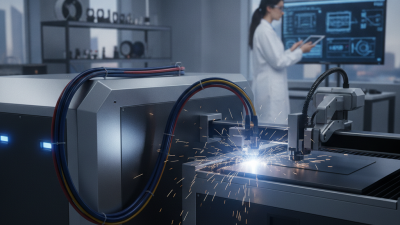
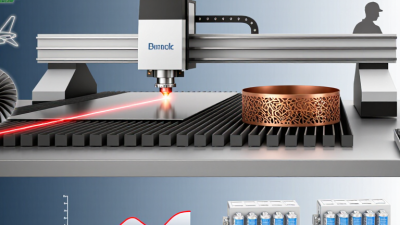
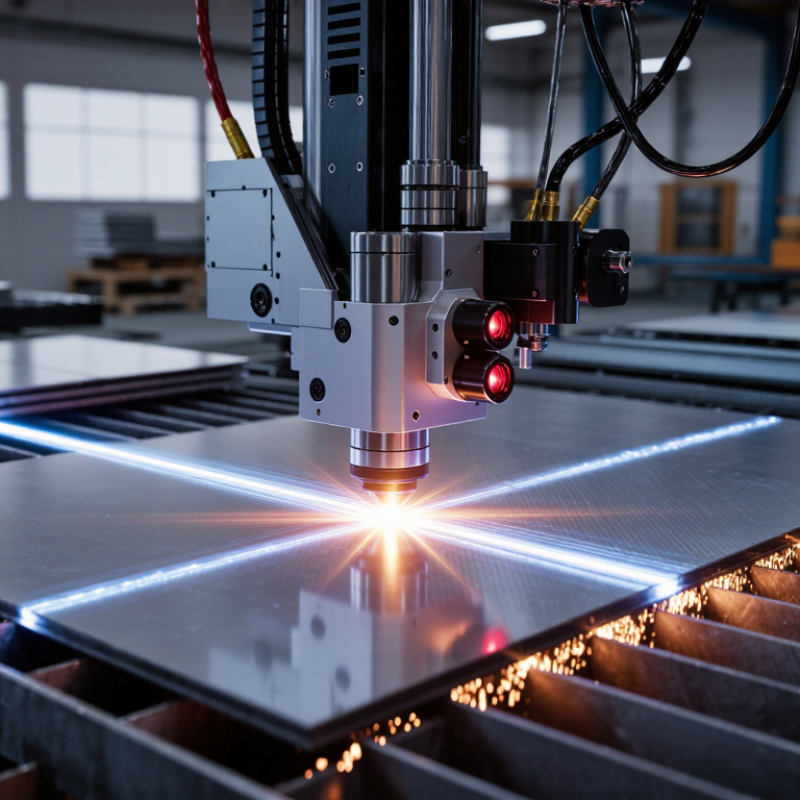
An optical fiber laser for metal cutting is a machine that generates laser light in an active optical fiber and delivers it to a cutting head. Inside the head, lenses focus the beam onto a small point on the metal. The beam stays narrow. Concentrated energy heats the material until it melts or vaporizes, while assist gas helps clear molten metal from the cut. A computer-controlled motion system guides the head along the programmed shape.
The process can produce fine details and narrow kerfs in materials such as carbon steel, stainless steel, and aluminum. Results depend on more than laser power. Sheet thickness, focus position, cutting speed, gas pressure, and nozzle condition all affect edge quality. On a real shop floor, a slightly dirty nozzle can leave rough patches or burrs. Reflective metals also require suitable equipment settings and careful operation. A fiber laser may cut quickly, but it does not make every setup effortless; test cuts and regular inspection still matter.
How Fiber Lasers Cut Different Metals
2026 Best Optical Fiber Laser for Metal Cutting
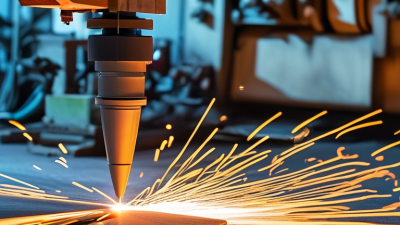
How a fiber laser cuts depends on the metal, its thickness, and the chosen settings. The beam heats a narrow area until the material melts or vaporizes. Assist gas then clears the cut. Carbon steel often cuts efficiently with oxygen, which supports an exothermic reaction. Stainless steel is commonly cut with nitrogen for a cleaner, oxide-free edge. Gas choice matters.
Aluminum conducts heat quickly and can reflect much of the incoming energy, especially before a stable cut begins. A suitable power level, focus position, and piercing routine help manage that challenge. Copper and brass are also highly reflective, so cutting them requires equipment and settings designed for reflective metals. Small details matter. A slightly misplaced focus can leave rough edges or incomplete cuts.
Thickness changes the balance between speed, heat, and edge quality. Operators often test settings on a sample, then inspect for burrs, discoloration, and taper before starting a full batch. That practical check is easy to skip, but it can prevent wasted sheet metal. No single setting suits every alloy or machine; even surface coatings and material condition can affect results.
How to Choose a Fiber Laser Cutting System in 2026
2026 Best Optical Fiber Laser for Metal Cutting
Choosing a fiber laser cutting system in 2026 starts with the parts you actually make, not the machine’s maximum power. List your common metals, sheet thicknesses, daily cutting hours, and required edge quality. A 3-kW source may handle thin stainless steel efficiently, while thicker plate can require more power and slower feed rates. The right choice depends on your workload. Test real parts. Ask for sample cuts using your material and the assist gas you plan to use. Check for burrs, heat discoloration, and corner quality. A clean showroom sample proves little if it uses a different thickness or cutting speed.
Compare the complete system, including the cutting head, motion platform, controls, fume extraction, and service access. A sturdy bed and stable motion help maintain accuracy during repeated production runs. Ask how quickly routine maintenance can be performed, and confirm that replacement parts and technical support are available in your region. Review the software with the operators who will use it; a confusing interface can slow down job changes. Budget for installation, training, consumables, and downtime, not only the purchase price. Published cutting speeds are useful, but real production results may be lower. That estimate can be wrong. Request a timed trial with representative jobs before deciding.
What Are the Applications, Limitations, and Operating Costs?
A 2026 fiber laser can cut carbon steel, stainless steel, aluminum, and copper, especially in sheet-metal work. Its focused beam makes narrow kerfs and detailed contours possible. Shops also use these systems for enclosures, brackets, and machine parts. Not every job. Thick plate, tight tolerances, and reflective materials can demand more power, careful setup, or slower cutting. Copper and polished aluminum need particular attention because reflected energy can threaten optics if safeguards and process settings are inadequate.
The machine is only one part of the process. Assist gas affects edge quality and can become a major recurring expense: oxygen supports fast cuts in some steels, while nitrogen often produces cleaner, oxide-free edges. Extraction filters, chiller maintenance, nozzle replacement, and downtime also shape real operating costs. A cut that looks excellent on a sample may behave differently across a full production shift. That gap deserves honest testing.
For electricity context, the U.S. Energy Information Administration reported an average industrial price of 8.45 cents per kilowatt-hour in 2023. At that rate, a 10 kW average load running 1,000 hours would use about $845 in electricity; this is an illustration, not a machine quote. Actual input varies with laser power, duty cycle, gas use, and local tariffs. The EIA figure excludes demand charges, maintenance, labor, and consumables, so a shop should log those costs against finished parts, not just machine hours.
2026 Best Optical Fiber Laser for Metal Cutting: Applications, Limitations, and Operating Costs
Estimated electricity cost at full rated laser output, using an illustrative electricity rate of $0.12/kWh and 35% laser-source wall-plug efficiency.
How to read this: The chart estimates source electricity only: optical output power divided by 35% efficiency, multiplied by $0.12 per kWh. Actual costs vary with electricity prices, cutting duty cycle, material, assist gas, and machine configuration. Chillers, motion systems, extraction, and other auxiliary loads are excluded.
Applications and limitations: Fiber lasers are commonly used for cutting steel, stainless steel, aluminum, and other sheet or plate metals. Higher-rated sources can support higher-throughput or thicker-material work, but achievable cut quality and thickness depend on the material, optics, assist gas, and machine setup; rated power alone does not guarantee a particular result.